

Please note: This website contains affiliate links. As an Amazon Associate, we earn from qualifying purchases at no additional cost to you.
If the phrase “lose weight without dieting” sounds too good to be true, you’re not wrong to be skeptical.
We’ve all been promised shortcuts before. Eat less. Track harder. Push through. And yet… for many people, especially women, weight loss actually gets harder the more stressed and restrictive things become.
That’s where cortisol comes in.
This article isn’t about doing nothing or magically dropping weight. It’s about understanding why dieting often backfires when cortisol is high, and how supporting your stress hormones can make weight loss feel easier, more natural, and a lot less exhausting.
What You’ll Learn
- Why dieting can stall weight loss when cortisol is high
- How stress hormones affect belly fat, cravings, and energy
- What “weight loss without dieting” actually means (realistically)
- Simple cortisol hacks that support fat loss without tracking or restriction
- How to work with your body instead of fighting it
First, Let’s Get Clear: What Cortisol Has to Do with Weight
Cortisol is your body’s primary stress hormone. We need it — it helps regulate blood sugar, manage inflammation, and give us energy when we need it.
The issue isn’t cortisol itself. The issue is chronic elevation.
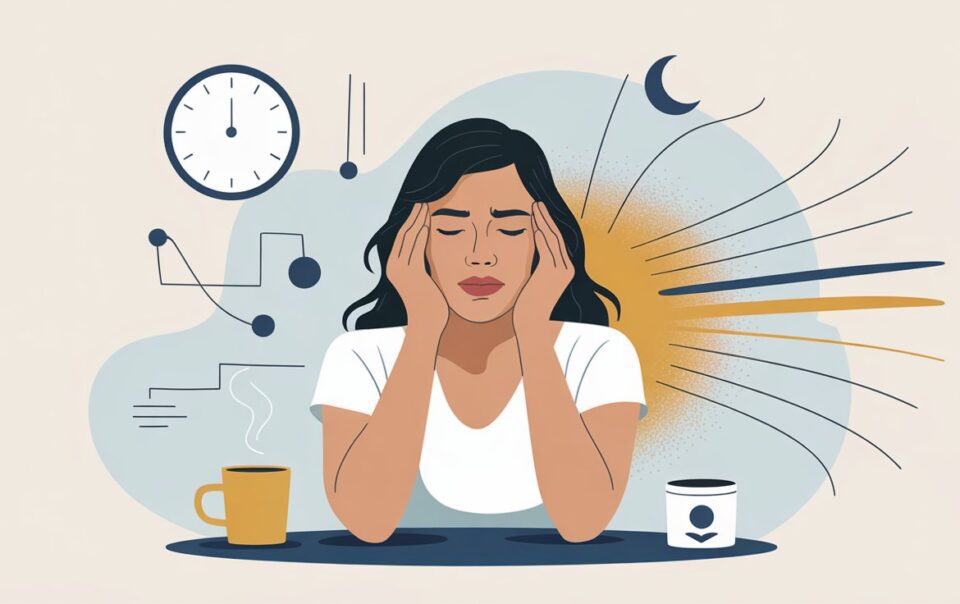
When cortisol stays high for long periods (from stress, poor sleep, under-eating, over-exercising, caffeine overload, or constant mental pressure), your body shifts into protection mode. And in protection mode, fat loss is not a priority.
Instead, the body tends to:
- hold onto energy (especially belly fat)
- crave quick fuel (sugar and refined carbs)
- slow down non-essential processes
- resist weight loss — even when calories are low
This is why many people feel like they’re “doing everything right” and still stuck.
What “Losing Weight Without Dieting” Actually Means
Let’s be honest — weight loss doesn’t happen without any changes.
But “without dieting” means:
- no calorie tracking
- no rigid food rules
- no cutting entire food groups
- no pushing harder when your body is already stressed
Instead, it means reducing stress signals so your body feels safe enough to let go of weight.
Think of it less as “trying to lose weight” and more as removing the brakes that are keeping weight on.
10 Cortisol Hacks That Support Weight Loss (Without Dieting)
These aren’t gimmicks. They’re small, low-friction shifts that reduce stress load and help your metabolism function the way it’s meant to.
You don’t need to do all of them. Even a few can make a difference.
1. Prioritize Sleep Timing (Not Just Sleep Length)
If you’re sleeping but going to bed late and waking up exhausted, cortisol may be peaking at the wrong times.
Cortisol should be higher in the morning and lower at night. Late nights, screens before bed, and inconsistent schedules flip that rhythm — which can stall fat loss fast.
What helps:
- consistent bedtime (even more than duration)
- dim lights in the evening
- no intense workouts or work right before bed
Better sleep timing alone can reduce cravings and belly fat resistance.
2. Eat Enough — Especially Earlier in the Day
Under-eating is one of the fastest ways to raise cortisol.
Skipping breakfast, delaying food too long, or “saving calories” until later tells your body resources are scarce. Cortisol rises to keep blood sugar stable — and weight loss slows.
You don’t need a perfect meal plan. Just:
- eat something in the morning
- include protein early
- stop waiting until you’re starving
This one change can dramatically lower stress hormones.
3. Stop Treating Exercise Like Punishment
High-intensity workouts aren’t bad — but too much intensity on an already stressed system can raise cortisol instead of helping fat loss.
If you’re exhausted, inflamed, or not recovering well, your body may respond better to:
- walking
- strength training with rest
- Pilates, yoga, or mobility work
Weight loss doesn’t require suffering. It requires sustainability.
4. Stabilize Blood Sugar Instead of Restricting Food
Blood sugar swings trigger cortisol spikes. Instead of cutting carbs or calories, focus on:
- pairing carbs with protein or fat
- eating regularly
- avoiding long stretches without food
When blood sugar is steady, cortisol doesn’t have to step in — and fat storage signals calm down.
If you’re looking for gentle, stress-friendly options, these belly fat burner drink recipes focus on reducing bloat and supporting cortisol rather than forcing fat loss.
5. Reduce “Mental Dieting” (It Counts as Stress)
Constantly thinking about food, weight, and rules is stressful — even if you’re eating “well.”
Mental restriction keeps the body in alert mode.
What helps:
- simplifying meals
- repeating go-to foods
- letting meals be “good enough”
Less decision fatigue = lower cortisol.
6. Hydrate With Minerals, Not Just Water
Dehydration is a stress signal.
Adding minerals (like sodium, potassium, or magnesium) can support hydration and nervous system balance — especially if you feel fatigued, lightheaded, or crave salty foods.
This is one reason cortisol drinks (aka “cortisol cocktails”) and mineral waters feel helpful to many people.
7. Eat Protein for Calm, Not Control
Protein supports muscle, blood sugar, and satiety — all of which reduce cortisol.
Instead of using protein to restrict calories, use it to:
- feel more stable
- reduce cravings
- support metabolism gently
This is especially helpful for belly fat resistance.
8. Lower Daily Stimulation (Not Just “Stress”)
Cortisol responds to input, not just emotions.
Too much:
- caffeine
- noise
- screens
- multitasking
- constant urgency
…keeps your system activated.
Even small moments of quiet, routine, and predictability tell your body it’s safe.
9. Walk After Meals (The Underrated Hack)
A 5–10 minute walk after eating helps:
- lower blood sugar
- improve digestion
- reduce stress hormones
This tiny habit supports fat loss without adding stress.
10. Stop Asking Your Body to Lose Weight While It’s in Survival Mode
This might be the most important one.
If you’re:
- exhausted
- under-fueled
- overstimulated
- emotionally overloaded
Your body isn’t “failing.” It’s protecting you.
Weight loss often begins after cortisol comes down — not before.
So… Can You Really Lose Weight Without Dieting?
Yes — if you redefine what dieting means.
When you lower cortisol:
- cravings ease
- energy improves
- belly fat becomes less stubborn
- habits feel easier to maintain
Weight loss becomes a byproduct, not a battle.
This approach may feel slower at first, but it’s far more sustainable — and far kinder to your body.
When to Get Extra Support
If symptoms like fatigue, anxiety, sleep disruption, or weight resistance are severe or worsening, it’s always smart to check in with a healthcare provider. Hormone testing or professional guidance can help rule out other factors.
This article is about awareness and support — not diagnosis.
Conclusion
If dieting has only made you more stressed, more tired, and more frustrated, it’s not because you lack discipline. It’s because your body is responding to pressure.
Supporting cortisol isn’t a shortcut — it’s a smarter starting point.
When stress hormones come down, your body can finally do what it’s designed to do. And for many people, that’s when weight loss starts to feel possible again. And that’s without tracking, restricting, or burning yourself out!
Please note: This website contains affiliate links. As an Amazon Associate, we earn from qualifying purchases at no additional cost to you.