
Please note: This website contains affiliate links. As an Amazon Associate, we earn from qualifying purchases at no additional cost to you.
Your gut and your metabolism are more connected than most people realize — and what you put on your plate affects both of them at the same time.
Here’s the short version of the science: the trillions of bacteria living in your gut (your microbiome) play a direct role in how efficiently your body processes food, stores fat, regulates blood sugar, and produces energy. When your gut microbiome is thriving — fed with the right foods — your metabolism works better. When it’s not, you may notice sluggish digestion, stubborn energy crashes, bloating, and a metabolism that feels like it’s working against you.
The good news is that food is one of the most powerful ways to support both. These 10 gut healthy meals are built around ingredients that actively nourish your microbiome — probiotics, prebiotics, fiber, collagen, and anti-inflammatory compounds — while also supporting the metabolic processes that keep your energy up and your body running efficiently.
No supplements required. Just real, delicious food.
Jump to What You Need
- The gut-metabolism connection explained
- 10 gut healthy meal recipes
- Quick tips for building gut-healthy habits
- FAQs
The Gut-Metabolism Connection (Why This Matters)
Before we get to the recipes, here’s the quick science so everything makes more sense.
Your gut microbiome — the community of bacteria, fungi, and other microorganisms living in your digestive tract — influences your metabolism in several concrete ways:
- Energy extraction: Gut bacteria help break down and extract energy from food. An imbalanced microbiome can mean less efficient energy use.
- Inflammation regulation: Certain gut bacteria produce short-chain fatty acids that reduce inflammation — and chronic inflammation is one of the leading drivers of metabolic slowdown.
- Blood sugar stability: A healthy microbiome helps regulate glucose metabolism and insulin sensitivity, reducing the blood sugar spikes and crashes that tank your energy.
- Hormone production: Your gut produces serotonin, GLP-1, and other hormones that affect appetite, satiety, and how your body manages fat storage.
The meals below are designed to work on all of these levers — feeding beneficial bacteria with prebiotic fiber, introducing live probiotic cultures, reducing gut inflammation, and supporting the structural integrity of your gut lining. If you want to go deeper on the metabolism side of the equation, our guide on how to boost your metabolism covers all the lifestyle strategies that work alongside good nutrition.
The 10 Gut Healthy Meals
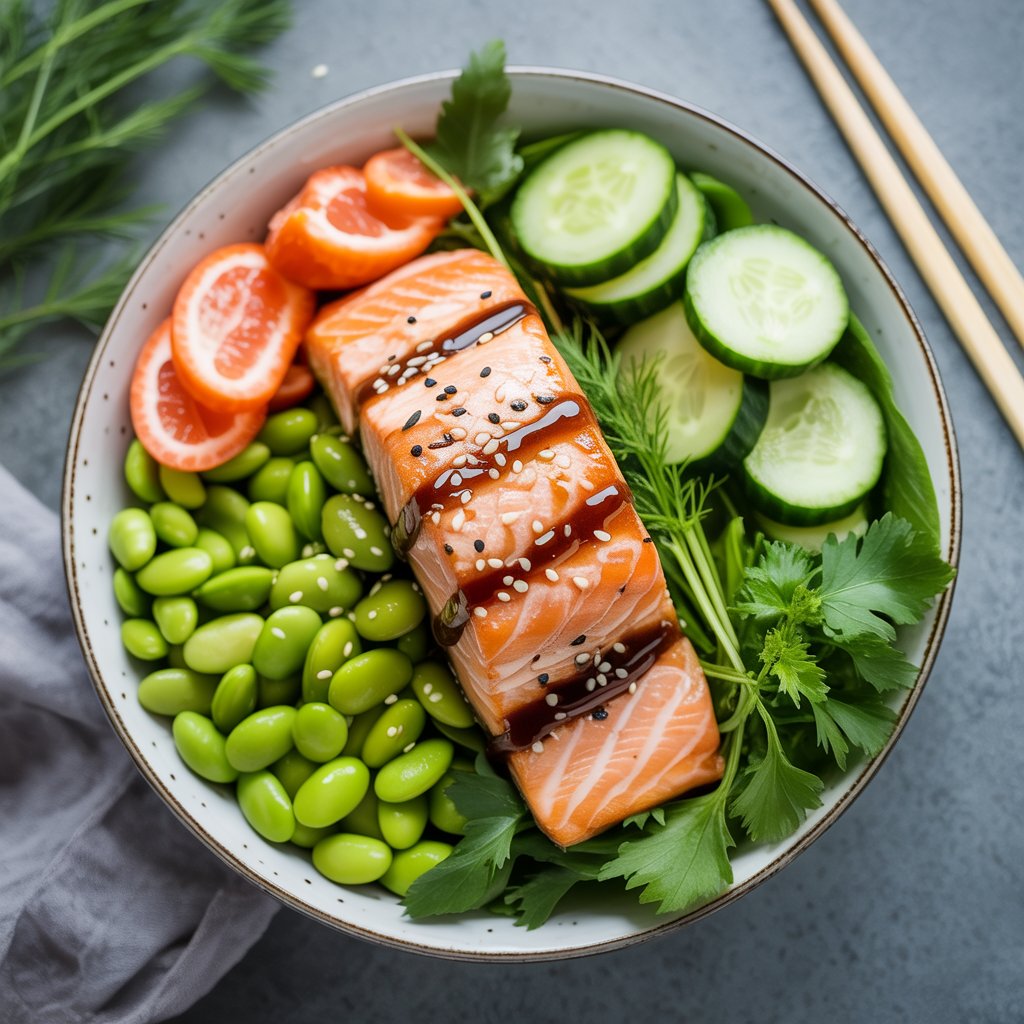
1. Miso Ginger Salmon Bowl
Earthy, savory, and surprisingly quick to pull together.
Why it’s great for your gut & metabolism: Salmon delivers omega-3 fatty acids that reduce gut inflammation, while miso adds live probiotics to feed your gut microbiome. A well-fed microbiome is directly linked to better metabolic efficiency — your body literally processes energy more effectively when your gut bacteria are happy. If you love salmon bowls, our Teriyaki Salmon Rice Bowl is another great option to rotate in.
Ingredients:
- 5 oz salmon fillet
- 1 tbsp white miso paste
- 1 tsp fresh grated ginger
- 1 tsp sesame oil
- 1 cup cooked brown rice or cauliflower rice
- ½ cup shelled edamame
- ½ cup sliced cucumber
- 1 tsp rice vinegar
- Sesame seeds and green onion to garnish
Instructions:
- Whisk miso, ginger, sesame oil, and rice vinegar into a glaze.
- Brush salmon with glaze and bake at 400°F for 12–14 minutes.
- Assemble bowl over rice with edamame and cucumber.
- Top with remaining glaze, sesame seeds, and green onion.
Estimated Nutrition: Calories: ~420 | Protein: 38g | Fiber: 5g | Servings: 1
2. High-Fiber Lentil & Veggie Soup
One pot, zero fuss, and your gut will thank you tomorrow.
Why it’s a gut microbiome powerhouse: Lentils are one of the richest prebiotic foods available — they feed the beneficial bacteria in your gut that regulate metabolism, reduce inflammation, and support immune function. The fiber content also slows digestion, stabilizing blood sugar and keeping energy levels consistent.
Ingredients:
- 1 cup green or brown lentils, rinsed
- 1 cup diced carrots
- 1 cup diced celery
- 1 cup diced tomatoes (fresh or canned)
- ½ cup diced onion
- 3 garlic cloves, minced
- 4 cups low-sodium vegetable broth
- 1 tsp cumin, ½ tsp turmeric
- 1 tbsp olive oil
- Salt, pepper, squeeze of lemon to finish
Instructions:
- Heat olive oil in a large pot, sauté onion and garlic for 3–4 minutes.
- Add carrots, celery, and spices, cook another 2 minutes.
- Add lentils, tomatoes, and broth. Bring to a boil.
- Reduce heat and simmer 25–30 minutes until lentils are tender.
- Finish with lemon juice, adjust seasoning, and serve.
Estimated Nutrition: Calories: ~310 | Protein: 18g | Fiber: 15g | Servings: 2
For another lentil-forward option with even more protein, check out our Mediterranean Lentil Cottage Cheese Protein Bowl.
3. Probiotic Greek Chicken Bowl
All the flavor of a Mediterranean restaurant, built for your gut.
Why the probiotics here actually count: Full-fat Greek yogurt isn’t just a protein source — it’s loaded with live Lactobacillus cultures that colonize your gut microbiome. Paired with garlic (a prebiotic that feeds those cultures) and fiber-rich veggies, this bowl works on multiple layers of gut support simultaneously. We also have a dedicated Greek Chicken Protein Bowl recipe if you want a higher-protein variation to meal prep.
Ingredients:
- 5 oz grilled chicken breast, sliced
- ½ cup full-fat Greek yogurt (for tzatziki base)
- ½ cup diced cucumber
- ½ cup cherry tomatoes, halved
- ¼ cup kalamata olives
- ½ cup cauliflower rice or quinoa
- 1 garlic clove, minced
- 1 tsp lemon juice, 1 tsp fresh dill
- ½ tsp olive oil, salt to taste
Instructions:
- Mix Greek yogurt, garlic, dill, lemon juice, and a pinch of salt to make tzatziki.
- Serve cauliflower rice or quinoa as the base.
- Arrange chicken, cucumber, tomatoes, and olives over the base.
- Top generously with tzatziki and drizzle with olive oil.
Estimated Nutrition: Calories: ~390 | Protein: 42g | Fiber: 4g | Servings: 1
4. Roasted Sweet Potato & Black Bean Tacos
Taco night, upgraded for your microbiome.
Why resistant starch is your gut’s best friend: Sweet potatoes contain resistant starch, a type of fiber that bypasses digestion and feeds beneficial gut bacteria directly. Black beans add a second hit of prebiotic fiber and plant-based protein. Together they create a gut-nourishing meal that also keeps blood sugar steadier than most taco nights would. For more ideas on building meals around the best protein sources, we break those down in detail on BHC.
Ingredients:
- 1 medium sweet potato, diced into ½-inch cubes
- ½ cup canned black beans, rinsed
- 4 small corn tortillas
- ¼ avocado, sliced
- 2 tbsp plain Greek yogurt or sour cream
- ¼ cup fresh salsa
- 1 tsp olive oil
- ½ tsp cumin, ½ tsp smoked paprika
- Fresh cilantro and lime
Instructions:
- Toss sweet potato with olive oil and spices, roast at 425°F for 20–22 minutes.
- Warm black beans in a small pan with a splash of water.
- Warm tortillas directly over a gas flame or in a dry pan.
- Assemble tacos with sweet potato, beans, avocado, and salsa.
- Finish with Greek yogurt, cilantro, and a squeeze of lime.
Estimated Nutrition: Calories: ~390 | Protein: 13g | Fiber: 12g | Servings: 1
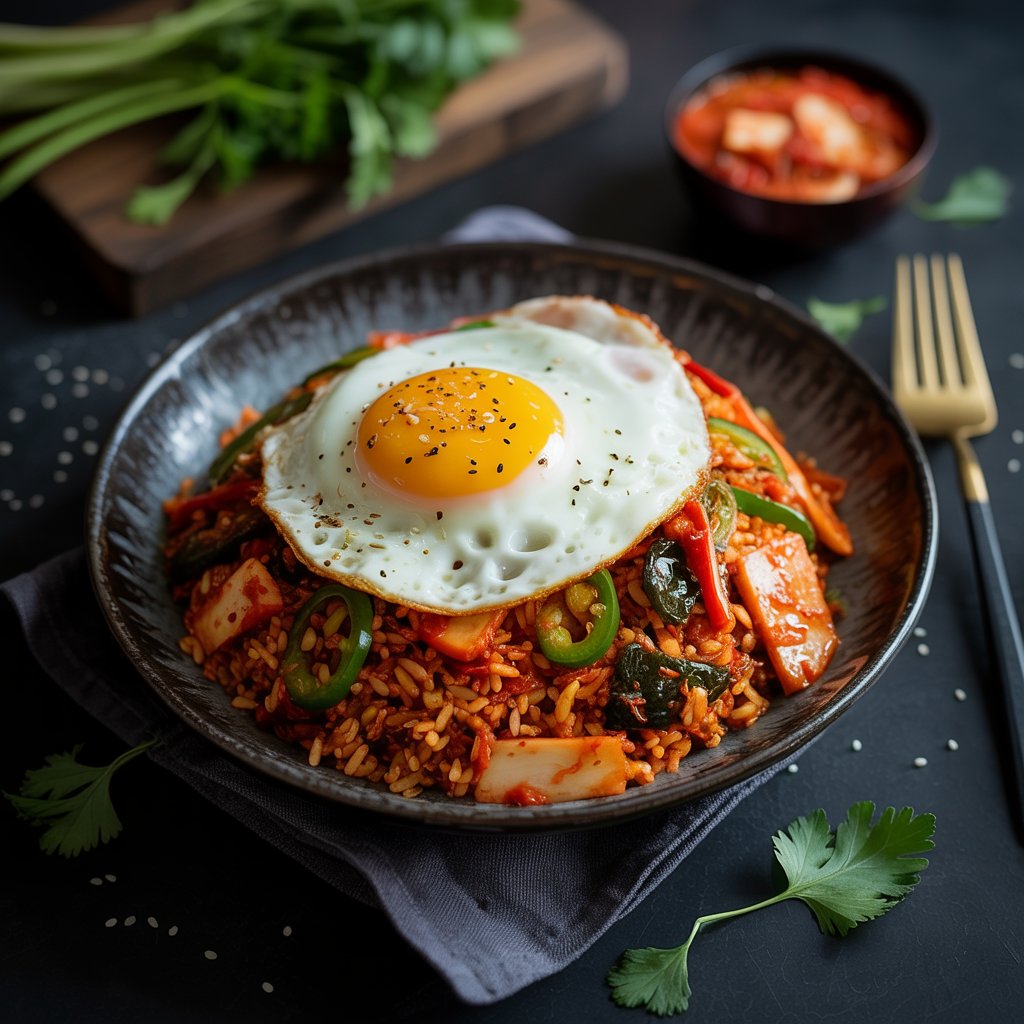
5. Kimchi Fried Cauliflower Rice
Fermented, flavorful, and done in under 15 minutes.
Why fermented foods change the game for gut health: Kimchi is a fermented vegetable dish rich in Lactobacillus bacteria — one of the most studied probiotic strains for gut health, reduced inflammation, and metabolic support. Combining it with eggs (protein + choline for gut lining support) and cauliflower rice (low-glycemic, fiber-rich) makes this one of the most gut-supportive quick meals you can make. Pair your day with a Lemon Ginger Digestive Detox Smoothie in the morning for a full gut-health double hit.
Ingredients:
- 2 cups cauliflower rice (fresh or frozen)
- ½ cup kimchi, roughly chopped (use kimchi with live cultures)
- 2 eggs
- 2 green onions, sliced
- 1 tbsp soy sauce or tamari
- 1 tsp sesame oil
- 1 tsp avocado oil for cooking
- Sesame seeds to garnish
Instructions:
- Heat avocado oil in a large skillet over medium-high heat.
- Add cauliflower rice and stir-fry for 4–5 minutes until slightly golden.
- Push to one side, scramble eggs in the same pan.
- Add kimchi and soy sauce, stir everything together.
- Finish with sesame oil, top with green onion and sesame seeds.
- Optional: top with a fried egg for extra protein.
Estimated Nutrition: Calories: ~280 | Protein: 16g | Fiber: 5g | Servings: 1
6. Bone Broth Vegetable Noodle Soup
Cozy, healing, and genuinely good for your gut lining.
Why collagen is the unsung hero of gut health: Bone broth is rich in collagen and gelatin, which help repair and strengthen the gut lining — especially valuable if you deal with bloating, leaky gut symptoms, or digestive inflammation. The fiber from vegetables feeds your microbiome while the collagen does the repair work. It’s also one of the gentlest meal options for anyone managing GI side effects on semaglutide — easy on the stomach and genuinely nourishing.
Ingredients:
- 2 cups high-quality bone broth (chicken or beef)
- 1 cup zucchini noodles or rice noodles
- ½ cup shredded cooked chicken (optional for protein boost)
- ½ cup chopped spinach or kale
- ½ cup sliced mushrooms
- 2 garlic cloves, minced
- 1 tsp fresh grated ginger
- 1 tsp soy sauce or coconut aminos
- Green onion, fresh herbs to garnish
Instructions:
- Bring bone broth to a gentle simmer in a medium pot.
- Add garlic, ginger, and mushrooms, simmer 5 minutes.
- Add noodles and cook per package directions (2–4 minutes).
- Stir in spinach and chicken, cook 1 minute until wilted.
- Season with soy sauce, top with green onion and herbs.
Estimated Nutrition: Calories: ~280 | Protein: 30g | Fiber: 3g | Servings: 1
7. Cottage Cheese & Roasted Veggie Power Bowl
Creamy, filling, and packed with gut-loving ingredients.
Why this bowl hits gut health AND metabolism together: Cottage cheese provides casein protein — a slow-digesting protein that keeps you full and supports muscle maintenance, which is your biggest lever for resting metabolic rate. Roasted vegetables add prebiotic fiber, and the combination of different colored veggies means a wider range of plant compounds feeding a more diverse microbiome.
Ingredients:
- ¾ cup full-fat or 2% cottage cheese
- 1 cup mixed vegetables (bell pepper, zucchini, red onion, broccoli)
- ½ cup cherry tomatoes
- 1 tsp olive oil
- ½ tsp garlic powder, ½ tsp Italian seasoning
- 1 tbsp pumpkin seeds or hemp seeds
- Fresh basil or parsley
- Salt, pepper, squeeze of lemon
Instructions:
- Toss vegetables with olive oil, garlic powder, and Italian seasoning.
- Roast at 425°F for 18–20 minutes until caramelized.
- Spoon cottage cheese into a bowl.
- Pile roasted veggies on top.
- Finish with seeds, fresh herbs, and lemon juice.
Estimated Nutrition: Calories: ~320 | Protein: 28g | Fiber: 6g | Servings: 1
Love cottage cheese in drinks too? Our Banana Peanut Butter Cottage Cheese Smoothie and Green Cottage Cheese Smoothie are great protein-packed options. They are also perfect for anyone who doesn’t love the texture of cottage cheese and needs to “hide” it in the recipe!
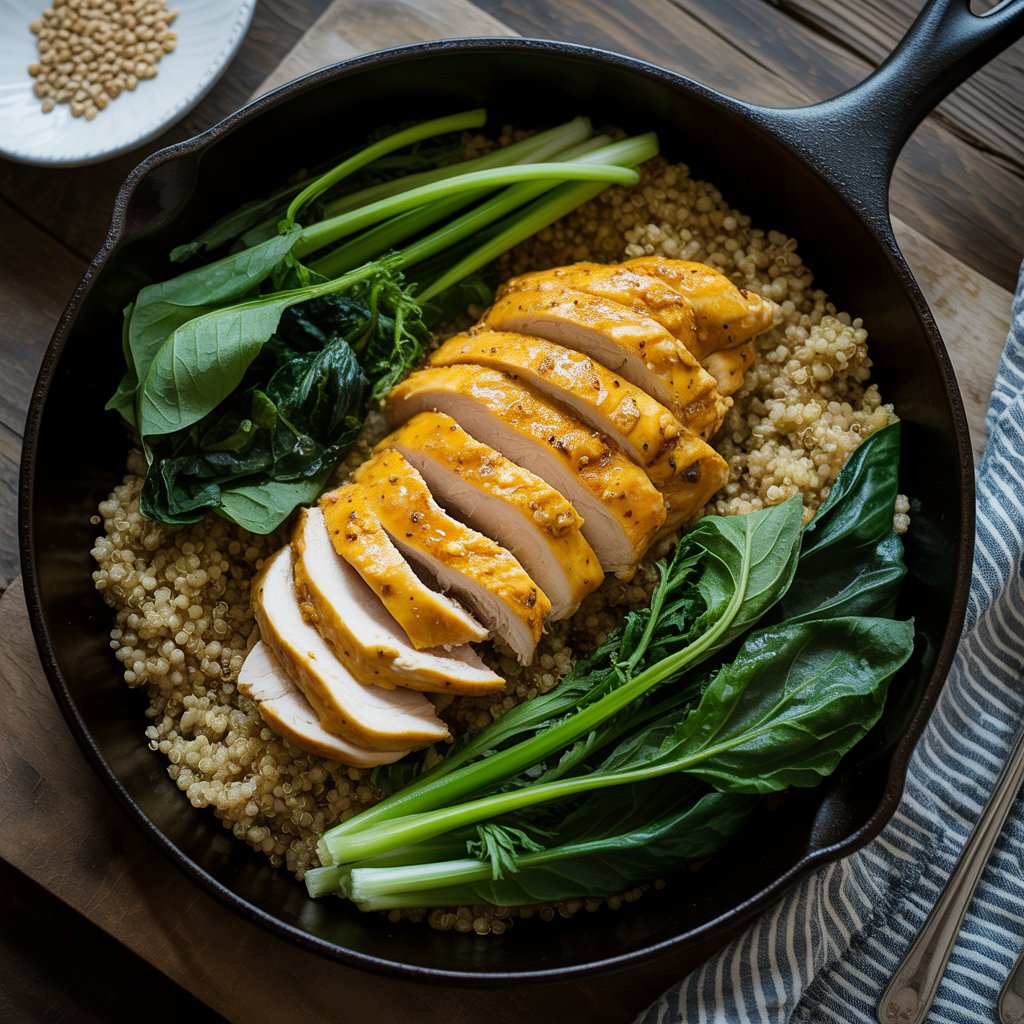
8. Turmeric Ginger Chicken & Quinoa Skillet
One pan, anti-inflammatory, and deeply satisfying.
Why anti-inflammatory ingredients directly benefit your gut: Chronic gut inflammation is one of the most overlooked drivers of slow metabolism, brain fog, and bloating. Turmeric’s curcumin and ginger’s gingerols are two of the most studied natural anti-inflammatory compounds — combining them in a real meal (with black pepper to boost curcumin absorption) makes this skillet genuinely therapeutic, not just trendy. For a concentrated daily dose of these same ingredients, our Ginger Turmeric Immunity Shots are quick to make and easy to build into your morning.
Ingredients:
- 5 oz chicken breast, sliced into strips
- ½ cup dry quinoa, cooked per package
- 1 cup baby spinach
- ½ cup diced bell pepper
- 2 garlic cloves, minced
- 1 tsp turmeric
- ½ tsp ground ginger
- Pinch of black pepper (essential for curcumin absorption)
- 1 tsp olive oil
- Salt to taste, fresh lemon to finish
Instructions:
- Cook quinoa per package directions and set aside.
- Heat olive oil in a skillet over medium-high heat.
- Season chicken with turmeric, ginger, black pepper, and salt.
- Cook chicken 4–5 minutes per side until cooked through, set aside.
- In the same pan, sauté garlic and bell pepper for 2 minutes.
- Add spinach and cook until wilted.
- Combine everything in the skillet, finish with lemon juice.
Estimated Nutrition: Calories: ~410 | Protein: 40g | Fiber: 4g | Servings: 1
9. White Bean & Kale Sauté
Simple, budget-friendly, and a fiber count that will impress you.
Why white beans are one of the best gut health foods: White beans are extraordinarily rich in prebiotic fiber — specifically resistant starch and oligosaccharides that selectively feed Bifidobacterium, one of the most beneficial gut bacteria strains linked to reduced inflammation and better metabolic health. Kale adds both fiber and sulfur compounds that support liver detox pathways connected to gut health. This is also a great meal for anyone looking to feel full longer naturally — the fiber and protein combination is genuinely filling for hours.
Ingredients:
- 1 can (15 oz) white beans (cannellini), rinsed and drained
- 2 cups chopped kale, stems removed
- 3 garlic cloves, thinly sliced
- ½ cup low-sodium chicken or vegetable broth
- 1 tbsp olive oil
- ¼ tsp red pepper flakes
- Juice of ½ lemon
- 2 tbsp grated parmesan (optional)
- Salt and black pepper
Instructions:
- Heat olive oil in a large skillet over medium heat.
- Add garlic and red pepper flakes, sauté 1–2 minutes until fragrant.
- Add kale and broth, cook 3–4 minutes until kale is wilted.
- Stir in white beans and cook 3 more minutes until heated through.
- Finish with lemon juice and parmesan if using.
Estimated Nutrition: Calories: ~320 | Protein: 18g | Fiber: 14g | Servings: 1
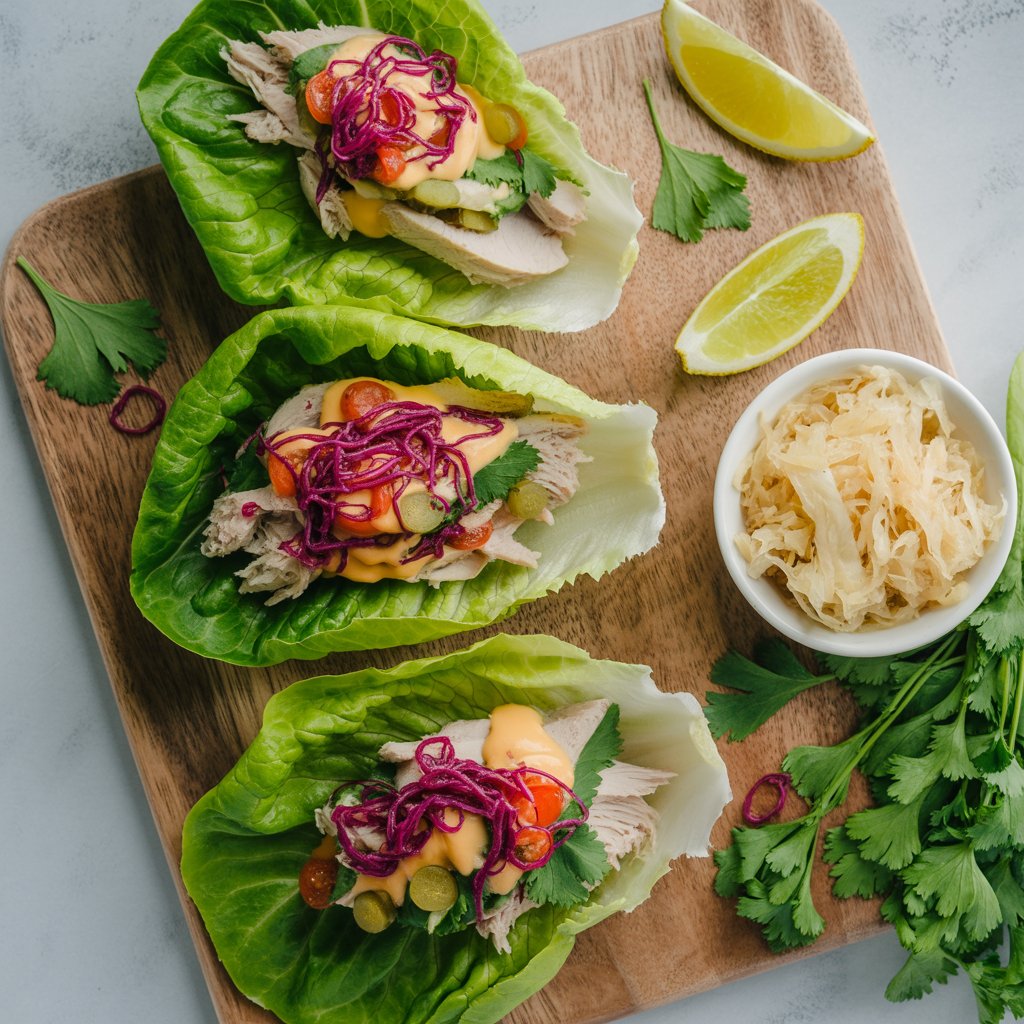
10. Fermented Veggie & Turkey Lettuce Wraps
Light, crunchy, and a sneaky probiotic delivery system.
Why fermented toppings make any meal better for your gut: These wraps bring together lean turkey (high-protein, easy to digest) with sauerkraut or fermented pickles — delivering live bacteria directly to your gut without the heaviness of a full meal. Lettuce wraps also mean you skip the blood sugar spike of bread while keeping the crunch and satisfaction. This is also one of the best options for anyone on GLP-1 medication — check out our guide on what to eat on GLP-1 when nothing sounds good for more ideas like this one.
Ingredients:
- 5 oz lean ground turkey
- 4 large butter lettuce leaves
- ¼ cup raw sauerkraut or fermented pickles (with live cultures)
- ¼ avocado, sliced
- ¼ cup shredded purple cabbage
- 2 tbsp plain Greek yogurt
- 1 tsp Dijon mustard
- ½ tsp garlic powder, ½ tsp onion powder
- Salt and pepper
Instructions:
- Cook ground turkey with garlic powder, onion powder, salt, and pepper until cooked through.
- Mix Greek yogurt and Dijon together as a quick sauce.
- Lay out lettuce leaves as your wraps.
- Fill each with turkey, avocado, and purple cabbage.
- Top with sauerkraut after cooking — heat kills live cultures.
- Drizzle with yogurt-Dijon sauce and serve.
Estimated Nutrition: Calories: ~340 | Protein: 36g | Fiber: 5g | Servings: 1
Quick Tips for Building Gut-Healthy Eating Habits
You don’t need to eat all 10 of these meals in one week to see results. Here’s how to start building gut health into your routine in a sustainable way:
- Aim for variety above all else. Research consistently shows that diversity of plant foods is the single biggest predictor of a healthy microbiome. Try to eat 20–30 different plant foods per week — it’s easier than it sounds when you count herbs, spices, and different colored vegetables.
- Add one fermented food per day. Yogurt, kimchi, sauerkraut, kefir, or miso — just one serving daily can meaningfully shift your gut bacteria composition over weeks.
- Don’t skip the fiber. Most people get far less fiber than recommended. Beans, lentils, vegetables, and whole grains are your microbiome’s preferred fuel.
- Support your gut with anti-inflammatory drinks. A daily immunity shot — ginger, turmeric, or apple cider vinegar — adds another layer of gut and metabolic support alongside these meals.
- Go easy on processed foods and alcohol. Both are strongly associated with reduced microbiome diversity and increased gut inflammation — which directly slows metabolic function.
- Be patient. Meaningful changes to gut bacteria composition can happen within 2–4 weeks of consistent dietary changes. Your metabolism will follow.
🥤 Drinks that support your gut alongside these meals:
- Lemon Ginger Digestive Detox Smoothie
- Ginger Turmeric Immunity Shots
- Apple Cider Vinegar Immunity Shots
- Complete Guide to Homemade Immunity Shots
- Belly Fat Burner Drink Recipes
Frequently Asked Questions
What makes a meal “gut healthy”?
Gut healthy meals typically include one or more of the following: prebiotic fiber (which feeds beneficial gut bacteria), probiotic foods (which introduce live beneficial bacteria), anti-inflammatory ingredients (which reduce gut inflammation), and collagen or gelatin (which supports the gut lining). The best meals combine several of these elements at once.
How quickly can food improve gut health?
Some changes happen within 24–48 hours — gut bacteria respond quickly to what you eat. Consistent dietary shifts over 2–4 weeks can produce measurable changes in microbiome diversity. The metabolic benefits (better energy, improved digestion, more stable blood sugar) typically become noticeable within 2–6 weeks of consistent eating.
Can improving gut health really help with metabolism?
Yes — and the research here is increasingly solid. Multiple studies have shown connections between gut microbiome diversity and metabolic efficiency, insulin sensitivity, inflammation levels, and even body composition. It’s not a quick fix, but consistently feeding your gut microbiome well is one of the most impactful long-term investments you can make in your metabolic health.
What are the best probiotic foods to include regularly?
The most accessible and research-backed probiotic foods are: plain Greek yogurt or kefir (look for ‘live active cultures’ on the label), kimchi, sauerkraut (refrigerated, not shelf-stable — the canning process kills live cultures), miso, and tempeh. Variety matters here too — different fermented foods contain different bacterial strains.
What’s the difference between probiotics and prebiotics?
Probiotics are live bacteria you introduce through fermented foods or supplements. Prebiotics are the fiber and plant compounds that feed the bacteria already living in your gut. You need both — probiotics without prebiotics is like stocking a garden with plants but not watering them. The most gut-healthy meals include both, which is what we aimed for throughout this list.
Are these meals good for GLP-1 medication users?
Most of them are excellent choices for GLP-1 users. High-fiber, high-protein meals support satiety on reduced appetite, while gut-nourishing ingredients support the GI system (which can be sensitive on GLP-1 medications). The bone broth soup and lentil soup are especially gentle. If you’re managing GI side effects on semaglutide, these lower-fat, fiber-rich meals are consistently well-tolerated.
How much protein should I aim for in gut-healthy meals?
Protein supports muscle preservation, which is your biggest long-term driver of metabolic rate — so it matters alongside gut health. Most of these meals hit 28–42g of protein per serving. For a deeper breakdown of daily targets, see our guide on how much protein to eat per meal.
The Bottom Line
Your gut and your metabolism are teammates — and the food you eat is the coach. These 10 gut healthy meals aren’t about restriction or perfection. They’re about consistently giving your body the probiotic cultures, prebiotic fiber, anti-inflammatory compounds, and gut-supporting nutrients it needs to function at its best.
Start with one or two meals from this list this week. Add a fermented food to your daily routine. Let your gut do the rest.
Related Articles You’ll Love
- How to Boost Your Metabolism: 12 Proven Ways That Actually Work
- Complete Guide to Homemade Immunity Shots
- Lemon Ginger Digestive Detox Smoothie
- Belly Fat Burner Drink Recipes
- Natural Ways to Feel Full Longer
- How Much Protein Should You Eat Per Meal?
Please note: This website contains affiliate links. As an Amazon Associate, we earn from qualifying purchases at no additional cost to you.