

Please note: This website contains affiliate links. As an Amazon Associate, we earn from qualifying purchases at no additional cost to you.
If you’re on a GLP-1 medication like Wegovy or Zepbound and suddenly dealing with sulfur burps… it’s disgusting, right?
I remember the first time it happened to me — that unmistakable rotten-egg taste that comes out of nowhere and makes you wonder what on earth is going on in your stomach. It’s uncomfortable, embarrassing, and honestly a little alarming if no one warned you it could happen.
The good news?
For most people, sulfur burps are manageable and temporary. Once you understand why they happen, it becomes much easier to calm them down.
Why GLP-1 Medications Can Cause Sulfur Burps
GLP-1 medications work by slowing digestion. That’s part of how they help with appetite control and blood sugar regulation — food stays in your stomach longer, so you feel full longer.
But that slower digestion can sometimes create a perfect storm.
When food (especially protein-heavy or sulfur-rich foods) sits in the stomach longer than usual, gut bacteria have more time to break it down. During that process, hydrogen sulfide gas can be released — and that’s what causes the sulfur smell and taste.
In simple terms:
Food lingers → bacteria ferment it longer → sulfur gas builds up → burps happen.
If It’s Happening Right Now: My 3-Step Sulfur Burp Rescue Plan
When sulfur burps flare up, I focus on calming things down and helping digestion move forward — gently, not aggressively.
Step 1: Neutralize What’s Already There
An over-the-counter antacid or Pepto-Bismol can help bind sulfur compounds in the stomach and reduce that awful taste. This is usually my fastest relief.
(Note: Pepto works well short-term, but it’s not meant for daily, ongoing use without medical guidance.)
Step 2: Gently Encourage Digestion
This sounds counterintuitive, but 1 tablespoon of raw apple cider vinegar diluted in a large glass of water can help stimulate stomach acid and encourage food to move along instead of sitting.
Not everyone tolerates ACV well — if it makes symptoms worse, skip it.
Step 3: Light Movement
A slow 10-minute walk can actually help gas move through the digestive tract. Nothing intense — just enough movement to let gravity and motion do their thing.
Foods That Make Sulfur Burps Worse (Temporarily)
When sulfur burps show up, I find it helpful to do a short 48-hour “low-sulfur reset.” This doesn’t have to be forever — just long enough to let your system settle.
Common High-Sulfur Triggers
- Red meat
- Eggs (this is a big one for many people)
- Cruciferous veggies (broccoli, cauliflower, Brussels sprouts)
- Heavy dairy (cream, aged cheeses)
- Garlic and onions
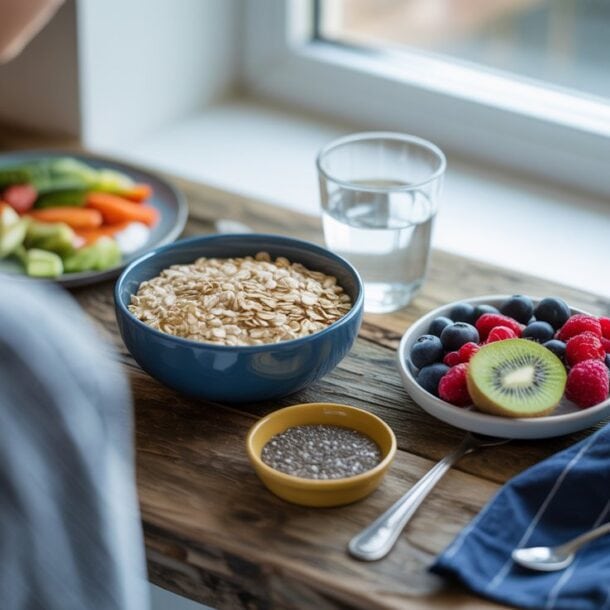
What Tends to Sit Better Instead
These are lighter, easier-to-digest options that usually move through faster:
- White rice or quinoa
- Lean chicken or turkey
- Melons and berries
- Cucumbers and zucchini
Once symptoms calm down, most people can slowly reintroduce foods and see what their body tolerates best.
Longer-Term Ways to Prevent Sulfur Burps on GLP-1s
If the dreaded sulfur burps keep coming back, these shifts can make a big difference over time:
Eat Smaller, More Frequent Meals
Large meals take longer to digest — which means more opportunity for fermentation. Smaller portions are often much gentler on a slowed digestive system.
Consider Digestive Enzymes
A broad-spectrum digestive enzyme taken with your largest meal may help break down proteins before they sit too long.
Hydrate (Electrolytes Matter)
Dehydration can slow digestion even more. Many GLP-1 users feel better aiming for consistent hydration, sometimes with added electrolytes like sodium and potassium.
Give Your Gut a Nightly Break
A gentle 12–14 hour overnight fasting window can help your digestive system reset without being extreme or restrictive.
A Simple Nighttime Trick That Helps
If your burps tend to be worse at night, try sleeping slightly elevated using a wedge pillow or extra pillows. Gravity helps keep gas and acid from moving upward while you sleep.
SIDE NOTE: As a long-term sufferer of acid reflux, many of the same tips apply. I also try to eat well before bedtime, so I’m not laying down and triggering the burps.
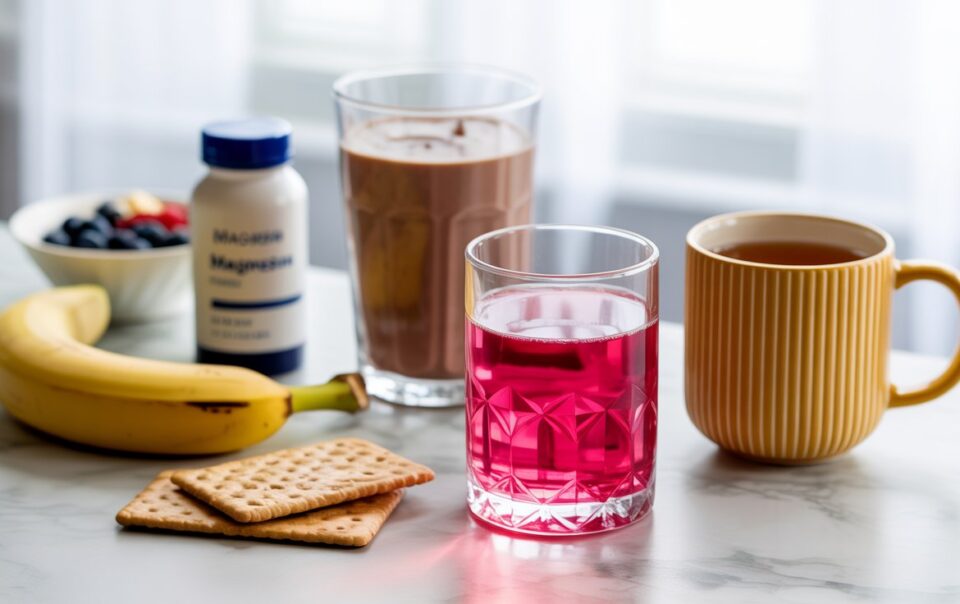
My “GLP-1 Rescue Kit” (Worth Having on Hand)
Having a few things ready can save you from a miserable evening:
- Simethicone (Gas-X) – helps break down gas bubbles
- Ginger chews – soothing for nausea
- Ginger tea – soothing for nausea and digestion
- Peppermint or fennel tea – helps relax the digestive tract
FAQs About Sulfur Burps on Wegovy & Zepbound
How long do sulfur burps usually last?
For many people, they appear 24–48 hours after an injection and improve as the week goes on. After a dose increase, symptoms may last a couple of weeks while your body adjusts.
Can injection site affect side effects?
Anecdotally, some people notice fewer GI side effects when injecting in the thigh instead of the abdomen. While research is limited, it’s a low-risk option worth discussing with your provider.
Are sulfur burps a sign of gastroparesis?
Sulfur burps are linked to delayed gastric emptying — which is part of how GLP-1s work. However, severe or persistent symptoms (inability to keep food down, severe pain, no bowel movements) should always be checked by a doctor.
Why do they smell like rotten eggs?
That smell comes from hydrogen sulfide gas, produced when sulfur-containing foods break down slowly in the gut.
When You Need to Get Medical Help (or Call Your Doctor)
Reach out to your healthcare provider if you experience:
- Severe or worsening abdominal pain
- Persistent vomiting or inability to keep fluids down
- Fever or signs of bowel obstruction
Also, if the sulfur burps persist after trying the different over the counter medications and lifestyle / diet adjustments, please let your doctor know!
Final Thoughts: This Is Part of the Learning Curve
Sulfur burps are uncomfortable — but for most people, they’re a temporary side effect, not a permanent problem.
GLP-1 medications change how your digestive system works, and it takes time to learn your body’s new rhythm. With a few adjustments, some patience, and the right tools on hand, this side effect usually becomes much more manageable.
You’re not failing — your body is just recalibrating.
Please note: This website contains affiliate links. As an Amazon Associate, we earn from qualifying purchases at no additional cost to you.