


Please note: This website contains affiliate links. As an Amazon Associate, we earn from qualifying purchases at no additional cost to you.
If you’re on Zepbound, chances are you’ve wondered this at least once:
“Do I really need to take this every single week?”
Maybe you missed a dose.
Maybe you’re dealing with side effects.
Or maybe—especially if you’ve already hit your goal weight—you’re thinking, “If I’m just trying to maintain, do I really need four shots a month?”
That question comes up constantly, and it’s a fair one.
Zepbound is designed to be taken weekly, but real life (and real budgets) don’t always work that way.
In this article, we’ll break down what actually happens when Zepbound injections are spaced two weeks apart—what’s generally considered safe, what might change, and when it’s worth adjusting your approach.
👉 Already at your goal weight and focused on maintenance?
You may want to jump ahead to the section below on using Zepbound every other week in maintenance mode, where we talk specifically about weight stability, appetite control, and cost-saving strategies.
First, How Zepbound Is Designed to Be Taken
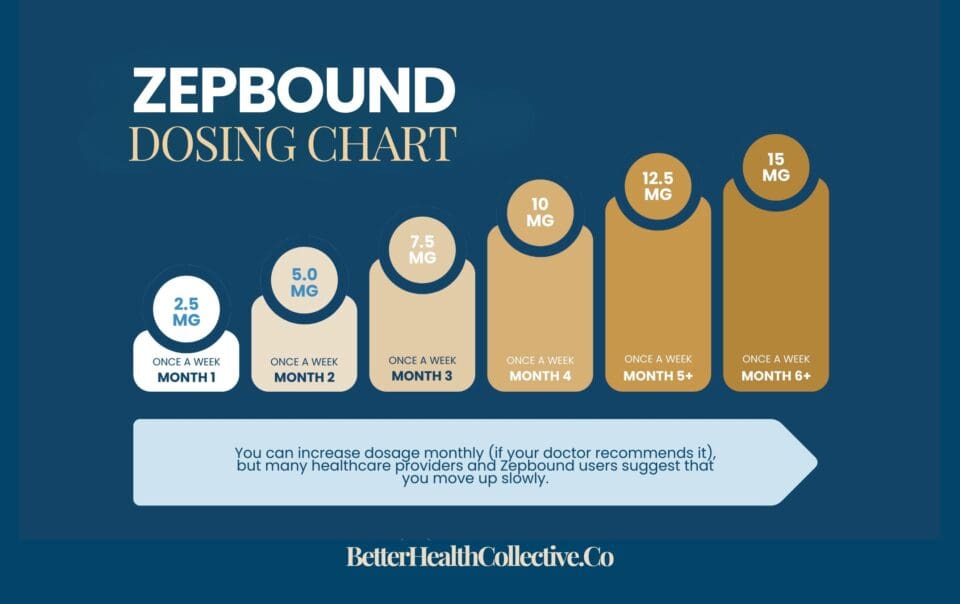
Zepbound (tirzepatide) is FDA-approved as a once-weekly injection. That schedule matters because the medication is designed to:
- Build up gradually in your system
- Maintain steady appetite suppression
- Support consistent blood sugar and hunger hormone regulation
When taken weekly, levels stay relatively stable—meaning fewer hunger spikes and more predictable effects.
So… Is Taking Zepbound Every Two Weeks Dangerous?
Short answer: Usually not dangerous—but it’s not ideal either.
Spacing Zepbound injections two weeks apart doesn’t automatically make it unsafe, but it can change how well the medication works and how your body responds.
Here’s what most providers and patients notice when doses are spread out:
What Can Happen When Zepbound Is Taken Every Two Weeks
Appetite Suppression May Drop Off
Zepbound’s appetite-reducing effects often peak a few days after injection and then slowly fade. With a two-week gap, many people notice:
- Hunger returning sooner
- More food noise
- Stronger cravings in the second week
This doesn’t mean the medication “stopped working”—it’s just wearing off.
Weight Loss May Slow or Stall
Because the medication isn’t staying consistent in your system:
- Weight loss may slow down
- Loss may feel more stop-and-go
- Some people see no loss during off weeks
This can be frustrating, especially if everything else stays the same.
Side Effects Can Be Less… or More
This one surprises people.
- Some people space doses out intentionally to reduce nausea or GI side effects
- Others find that restarting after a longer gap actually brings side effects back more strongly
Your body sometimes prefers consistency.
Blood Sugar & Energy Can Feel Less Stable
Even for people taking Zepbound mainly for weight loss:
- Energy levels may dip during off weeks
- Hunger swings can feel more dramatic
- Fatigue or “blah” days may pop up
When People Do End Up Taking Zepbound Every Two Weeks
This usually isn’t random. Common reasons include:
- Managing nausea or GI side effects
- Stretching medication due to cost or shortages
- Accidentally missing doses
- Being told by a provider to slow things down temporarily
In some cases, a provider may approve temporary spacing—but it’s usually intentional and monitored, not indefinite.
Is Every-Other-Week Zepbound Ever Recommended Long-Term?
Generally? No.
Most clinicians recommend:
- Weekly dosing
- Or a lower weekly dose, rather than stretching higher doses
Why? Because consistency tends to:
- Work better
- Feel better
- Reduce rebound hunger
Spacing doses is usually seen as a short-term adjustment, not a permanent plan.
What to Do If Weekly Zepbound Feels Like Too Much
If weekly injections are tough, these options are often discussed with providers:
- Staying at a lower dose longer
- Slowing dose increases
- Managing side effects with food timing or hydration
- Adjusting injection day instead of skipping weeks
👉 The key takeaway: There are usually better solutions than skipping every other week entirely.
The Bottom Line
Taking Zepbound shots two weeks apart is unlikely to be dangerous for most people, but it’s also unlikely to give you the best results.
If you’re doing it occasionally? Probably fine.
If you’re doing it long-term? Worth a conversation with your provider.
Consistency matters—not perfection.
Using Zepbound Every Two Weeks in Maintenance Mode: Does It Make Sense?
Once someone reaches their goal weight on Zepbound, the goal shifts. It’s no longer loss at all costs—it’s:
- Maintaining weight
- Keeping food noise quiet
- Avoiding regain
- Doing all of that without spending a small fortune every month
So the question becomes less “Is this the perfect protocol?” and more
“Is this a reasonable, lower-cost way to maintain?”
Short answer: For some people, yes—with caveats.
Why Maintenance Is a Different Conversation Than Weight Loss
During active weight loss, Zepbound is doing heavy lifting:
- Appetite suppression
- Craving reduction
- Portion control
- Metabolic support
In maintenance, you’re not asking the medication to push weight down—you’re asking it to:
- Prevent rebound hunger
- Keep food noise manageable
- Act as a “buffer,” not a bulldozer
That’s an important distinction.
What Actually Happens When Maintenance Doses Are Spaced Out
When someone in maintenance takes Zepbound every two weeks instead of weekly, here’s what commonly shows up:
1. Appetite Control Is Partial, Not Constant
Most people notice:
- Strong appetite suppression the first 5–7 days
- Gradual return of hunger in days 8–14
But—and this matters—the hunger often doesn’t return to pre-Zepbound levels, especially if:
- Weight has been stable for several months
- Eating habits are already established
- Protein intake is consistent
So for maintenance, that may be enough.
2. Weight Often Stays Stable (But Needs Monitoring)
Many people in maintenance report:
- Stable weight with mild weekly fluctuations
- Occasional 1–2 lb swings that normalize after the next dose
Red flags that spacing isn’t working:
- Steady upward trend week over week
- Increasing portion creep
- Food noise returning with intensity
Maintenance spacing works best when you’re watching patterns, not daily scale numbers.
3. Side Effects Are Often Easier to Manage
A big upside for maintenance spacing:
- Less nausea
- Less GI discomfort
- Fewer “I can’t eat anything” days
For people who struggled with side effects during weekly dosing, spacing can feel gentler and more livable.
The Money Reality (Because Let’s Be Honest)
Zepbound is expensive. Full stop.
For people paying out of pocket or with limited coverage:
- Weekly dosing = 4 doses/month
- Biweekly dosing = 2 doses/month
That’s a 50% cost reduction, which is not trivial—and for many people, it’s the difference between staying on the medication or stopping entirely.
From a practical standpoint, many clinicians quietly acknowledge:
A reduced maintenance dose is often better than stopping cold.
What Providers Often Recommend Instead (If Cost Allows)
If someone has flexibility, providers often prefer one of these before every-other-week dosing:
- A lower dose taken weekly
- Holding at the lowest effective dose long-term
- Adjusting injection timing slightly (e.g., every 8–10 days)
Why? Consistency tends to:
- Keep hunger steadier
- Reduce rebound cravings
- Make weight easier to maintain
But again—this assumes cost is manageable.
When Every-Other-Week Maintenance Is More Likely to Work
Spacing doses tends to work best if:
- You’ve been weight-stable for at least 3–6 months
- Food habits are already dialed in
- You’re not actively fighting cravings daily
- You’re okay with some hunger returning
- You’re monitoring trends, not winging it
It’s less ideal if:
- Food noise returns aggressively
- You feel out of control between doses
- Weight creeps up steadily
Quick FAQ
Is it safe to take Zepbound every two weeks instead of weekly?
For most people, spacing Zepbound doses two weeks apart is unlikely to be dangerous, but it isn’t how the medication is designed to be taken long-term. Weekly dosing helps keep medication levels steadier. When doses are spaced out, appetite control and other effects may fade between injections. Safety can vary by individual, so it’s important to talk with your healthcare provider before making changes.
What happens if I take Zepbound every two weeks?
Many people notice strong appetite suppression during the first week after an injection, followed by a gradual return of hunger during the second week. Weight loss may slow, and results can feel less consistent. Some people experience fewer side effects, while others notice side effects return after a longer gap between doses.
Is taking Zepbound every two weeks okay if I’m in maintenance mode?
For some people in maintenance mode, biweekly dosing can be a cost-saving option that still helps prevent weight regain. It often works best for those who have been weight-stable for several months and already have established eating habits. Appetite control may not be as strong or consistent as with weekly dosing, so monitoring weight trends is important.
Will I regain weight if I space my Zepbound doses out?
Not necessarily. Some people maintain their weight successfully with less frequent dosing, while others notice gradual weight regain over time. If weight begins to trend upward consistently, it may be a sign that spacing doses isn’t providing enough support and that a different approach should be discussed with a provider.
Is spacing doses better than stopping Zepbound completely?
In many cases, reduced or spaced dosing is preferable to stopping abruptly, especially during maintenance. However, this approach should be intentional and discussed with a healthcare provider rather than used as a long-term workaround without guidance.
Why do providers usually recommend weekly dosing instead of every two weeks?
Weekly dosing helps keep the medication more stable in your system, which supports appetite regulation, food noise reduction, and overall consistency. Many providers prefer lowering the dose while maintaining weekly injections rather than spacing doses further apart, if possible.
What’s the best way to know if biweekly dosing is working for me?
Looking at trends rather than daily scale changes is key. Stable weight, manageable hunger, and minimal food noise are signs it may be working. Ongoing weight gain, increased cravings, or feeling out of control between doses may suggest a different approach is needed.
Should I talk to my doctor before changing my Zepbound schedule?
Yes. Always. Even if it feels awkward. Even small changes to how you take prescription medication should be discussed with your healthcare provider. They can help you decide whether biweekly dosing, a lower weekly dose, or another option makes the most sense for your goals.
Can I just restart weekly after spacing doses?
Usually yes, but some people notice side effects return briefly.
Is this better than stopping completely?
In many cases, yes—but again, it depends on why you’re spacing doses.
Gentle Medical Disclaimer
This article is for educational purposes only and is not medical advice. Always consult your healthcare provider before changing how you take prescription medications like Zepbound. Individual responses vary.
Please note: This website contains affiliate links. As an Amazon Associate, we earn from qualifying purchases at no additional cost to you.