

Please note: This website contains affiliate links. As an Amazon Associate, we earn from qualifying purchases at no additional cost to you.
Constipation has a way of sneaking up on you. One day everything feels normal, and the next you’re uncomfortable, bloated, and wondering how something so basic can feel so frustrating.
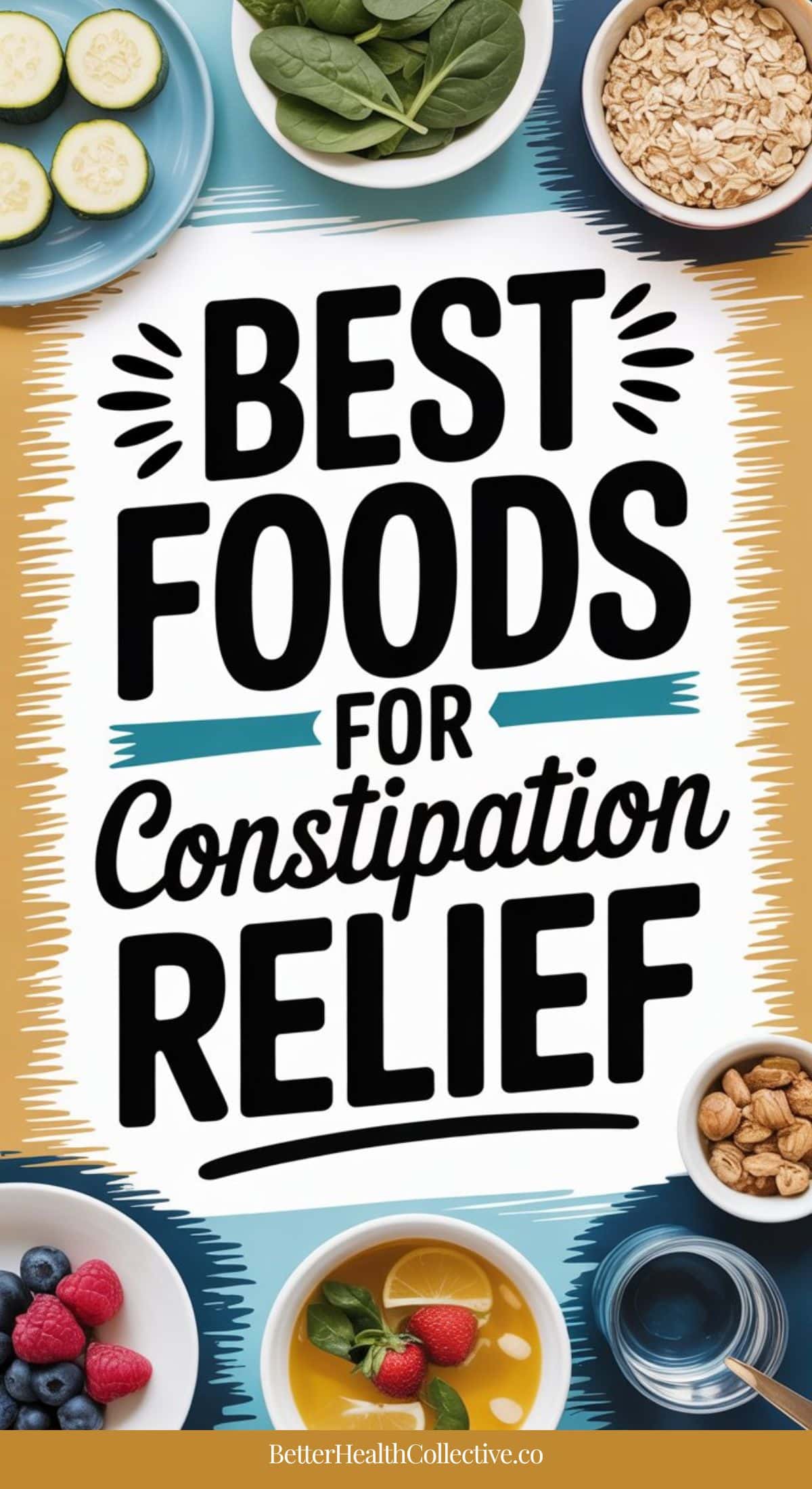
The good news? In many cases, what you eat plays a huge role in constipation relief. The right foods can help soften stool, support digestion, and gently encourage regular bowel movements — without harsh laxatives or extreme fixes.
In this article, we’re breaking down the best foods for constipation, how to use high fiber foods for constipation the right way, and how to treat constipation with food that actually supports your body (not works against it).
What You’ll Learn
- The best foods for constipation relief
- How fiber helps — and when it can backfire
- Fiber-rich foods for constipation that are easy to digest
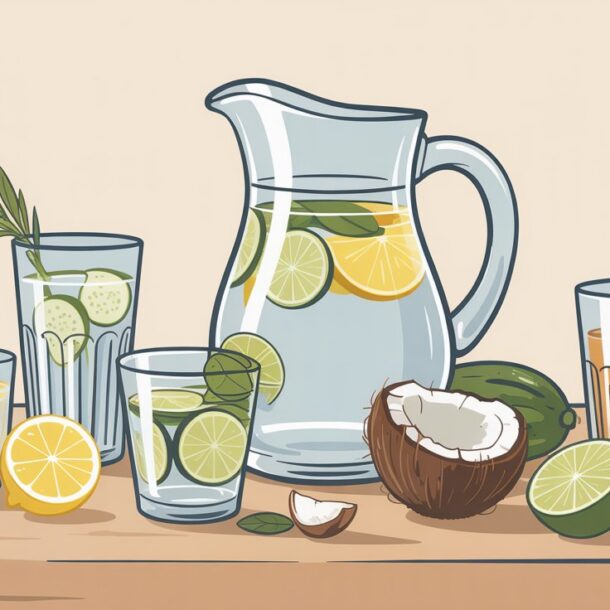
- How to treat constipation with food and hydration
- A simple constipation smoothie recipe
- Special tips for GLP-1 users
Why Food Matters for Constipation
Constipation often happens when digestion slows down or stool becomes too hard to pass. Food can help in a few key ways:
- Adding bulk to stool
- Helping stool retain moisture
- Stimulating the digestive system naturally
That said, more fiber isn’t always better. The goal is gentle, consistent support, especially if your digestion is already sluggish.
Best Foods for Constipation Relief
These foods are commonly recommended because they support digestion without being overly harsh.
Cooked Vegetables (Easier Than Raw)
Cooked vegetables are often better tolerated than raw ones when you’re constipated.
Good options include:
- Zucchini
- Spinach
- Carrots
- Sweet potatoes
Cooking breaks down fiber slightly, making it easier for the digestive system to handle.
Fruits That Help Relieve Constipation
Certain fruits are especially helpful for constipation relief because they contain fiber and natural sugars that draw water into stool.
Top choices:
- Berries (blueberries, raspberries, strawberries)
- Kiwi (with skin, if tolerated)
- Pears
- Apples (with skin, if tolerated)
These are excellent fiber-rich foods for constipation when eaten in moderate amounts.
Whole Grains & Oats
Whole grains provide soluble fiber, which helps soften stool.
Helpful options:
- Oatmeal
- Whole grain bread
- Brown rice
- Quinoa
Oats are especially gentle and often one of the best foods for constipation when digestion feels sensitive.
Seeds That Support Regularity
Seeds add fiber and healthy fats, which help stool move more easily.
Try:
- Chia seeds
- Ground flaxseed
Start small (½–1 tablespoon) and always pair with water.
Soups & Stews (An Underrated Fix)
Soups combine hydration and fiber, which makes them ideal for constipation relief.
Vegetable soups, lentil soups, and broth-based meals can be easier to digest than dry foods and are a smart choice when you’re backed up.
High Fiber Foods for Constipation: Use Them the Right Way
Fiber helps constipation — but only when paired with enough fluid.
Tips for success:
- Increase fiber slowly
- Drink water consistently throughout the day
- Focus on soluble fiber first (oats, fruit, cooked vegetables)
Suddenly adding large amounts of fiber without hydration can make constipation worse.
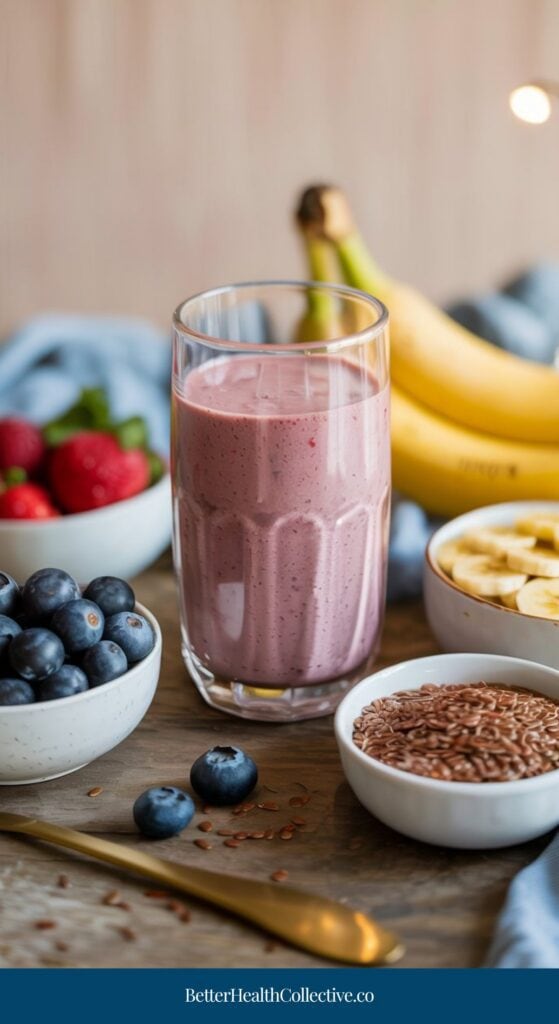
Constipation Smoothie Recipe (Simple & Gentle)
A smoothie can be an easy way to combine fluids and fiber — especially if you’re not very hungry.
Simple Constipation Smoothie
Ingredients:
- 1 cup water, almond milk, or oat milk
- ½ cup berries
- 1 tablespoon ground flax or chia seeds
- ½ banana
- Optional: handful of spinach
Why it helps:
This constipation smoothie provides hydration, soluble fiber, and gentle bulk without overwhelming digestion.
Drink slowly and follow with water.
How to Treat Constipation With Food (Daily Habits That Help)
Food works best when combined with a few simple habits:
- Eat meals at consistent times
- Don’t skip meals regularly
- Walk after eating
- Hydrate before adding more fiber
Constipation relief foods work best as part of a routine, not a one-time fix.
Foods for Constipation: Tips for GLP-1 Users
If you’re using a GLP-1 medication, constipation can feel different — and food needs to be handled a bit more carefully.
Helpful GLP-1 tips:
- Prioritize hydration before fiber
- Choose cooked vegetables over raw
- Use small portions of fiber-rich foods
- Avoid suddenly increasing fiber supplements
- Pair fiber with warm drinks
For GLP-1 users, the best foods for constipation relief are gentle, moist, and easy to digest.
Foods to Be Careful With When Constipated
Some foods can slow digestion further:
- Large amounts of cheese
- Highly processed foods
- Very low-carb or very low-fiber diets
- Excessive caffeine without hydration
You don’t need to avoid these forever — just be mindful during constipation flare-ups.
Final Thoughts
Constipation is uncomfortable, but in many cases, food can make a real difference. The right constipation relief foods, combined with hydration and routine, can help your body get back to a more natural rhythm.
Start gently, increase fiber slowly, and remember — consistency matters more than perfection. With the right foods and habits in place, constipation relief often becomes much more manageable.
Please note: This website contains affiliate links. As an Amazon Associate, we earn from qualifying purchases at no additional cost to you.