Please note: This website contains affiliate links. As an Amazon Associate, we earn from qualifying purchases at no additional cost to you.
Let’s talk about something no one wants to bring up — but almost everyone on a GLP-1 eventually thinks about.
If you’ve started a medication like Wegovy, Ozempic, or Zepbound and suddenly realized your digestion has… slowed to a crawl, you’re definitely not alone. Constipation is one of the most common (and awkwardly under-discussed) side effects of GLP-1 medications.
The good news? This doesn’t mean you’re doing anything wrong — and it definitely doesn’t mean the medication isn’t working. It usually just means your digestive system is adjusting to moving at a very different pace than it’s used to.
In this article, we’re breaking down GLP-1 constipation relief in a way that’s gentle, realistic, and a whole lot less intimidating — including why it happens, what actually helps, and how to get things moving again without making nausea or cramping worse.
What We’ll Cover:
- Why GLP-1 medications commonly cause constipation
- Why traditional constipation advice doesn’t always work on GLP-1s
- Gentle, GLP-1–friendly constipation relief strategies
- The best constipation drinks for GLP-1 users
- What to avoid when trying to “fix” GLP-1 constipation
Why Constipation Happens on GLP-1 Medications
GLP-1 medications work by slowing digestion, reducing appetite, and helping you feel full longer. That’s part of why they’re so effective — but it’s also why constipation can show up.
Common reasons include:
- Slower gastric emptying (food moves through the gut more slowly)
- Reduced food volume, which means less bulk to stimulate bowel movement
- Lower fluid intake due to nausea or early fullness
- Changes in routine, especially early on
- Electrolyte imbalances, especially sodium and magnesium
This type of constipation isn’t about “not enough fiber” — it’s about slowed motility and dehydration.
Why Some Constipation Fixes Backfire on GLP-1s
Many people try to fix constipation by:
- loading up on fiber
- taking stimulant laxatives
- stacking multiple remedies at once
On GLP-1 medications, this often leads to:
- worse bloating
- nausea
- cramping
- diarrhea followed by rebound constipation
With GLP-1s, gentle and gradual always beats aggressive.
GLP-1–Friendly Ways to Relieve Constipation
You don’t need to do everything on this list. Start with one or two strategies and give your body time to respond.
1. Hydration Comes First (More Than Fiber)
Dehydration is one of the biggest drivers of GLP-1 constipation.
Helpful tips:
- Sip water throughout the day instead of chugging
- Add electrolytes or a pinch of salt if plain water isn’t enough
- Start your morning with a warm drink
Hydration alone often improves bowel movement within a day or two.
2. Use Warm Drinks to Stimulate Digestion
Warm liquids gently activate the digestive system without overwhelming it.
Good options:
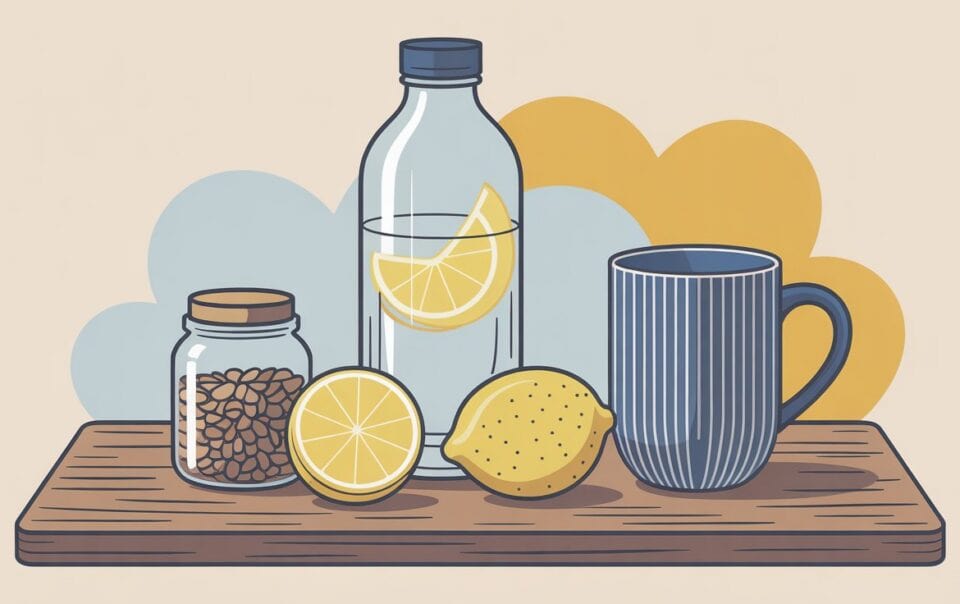
- Warm lemon water
- Herbal teas (ginger, peppermint)
- Warm broth
These act as a natural constipation drink that supports motility without forcing it.
3. Magnesium (Low and Slow)
Magnesium can be especially helpful for GLP-1 constipation because it:
- relaxes intestinal muscles
- draws water into stool
- supports nervous system calm
Best options:
- Magnesium glycinate (daily, gentler)
- Magnesium citrate (very small doses for occasional use)
Always start low and increase slowly.
4. Gentle Fiber — Not a Fiber Overload
Fiber can help, but only when paired with hydration and added gradually.
GLP-1–friendly fiber sources:
- Chia seeds (small amounts)
- Ground flax
- Cooked vegetables
- Berries
Avoid suddenly adding large amounts of fiber supplements — that often worsens bloating on GLP-1s.
5. Light Movement Helps More Than You Think
You don’t need intense exercise to stimulate digestion. Try:
- 10–15 minute walks after meals
- Gentle stretching
- Twisting movements
Movement encourages gut motility without stressing your system.
6. Build a Bathroom Routine (This Matters)
GLP-1 medications can dull hunger and digestive signals. A few helpful habits you can try:
- Sit on the toilet at the same time each morning
- Use a footstool to support positioning
- Don’t rush or strain
Routine helps retrain the gut.
How to Get FAST Relief From Constipation (Safely, of course!)
When constipation becomes uncomfortable, painful, or hasn’t improved after a few days, it’s important to take action. While gentle strategies are often enough, there are situations where faster relief is appropriate — and ignoring severe constipation isn’t the right move either.
The goal on GLP-1 medications is to relieve constipation without creating a cycle of irritation, cramping, or rebound symptoms.
Here’s how to approach fast relief in a balanced, informed way.
Start With the Least Aggressive Options First
For many people, these steps help within the same day or by the next morning:
- Warm liquids (lemon water, herbal tea, broth)
- Light movement like walking or gentle stretching
- Sitting on the toilet after meals to encourage the natural bowel reflex
If you’re mildly constipated, these are often enough.
When Gentle Options Aren’t Enough
If you haven’t had a bowel movement in several days, or you’re feeling significantly uncomfortable, it may be appropriate to use additional support — including certain medications — short term.
This doesn’t mean you’ve failed or done something wrong. It means your body needs help restarting normal movement.
About Magnesium for Faster Relief
Magnesium is often a good middle ground between “do nothing” and stronger laxatives.
- Magnesium citrate can provide faster relief for some people
- Magnesium glycinate is gentler but may take longer
Always:
- Start with a low dose
- Avoid combining with multiple other remedies
- Expect overnight or next-day results rather than immediate effects
When Stimulant Laxatives May Be Appropriate
Stimulant laxatives (such as senna or bisacodyl) are sometimes necessary — especially if constipation is severe or prolonged.
Important context:
- Occasional use can be appropriate
- Regular or frequent use is where problems can arise
- They work by stimulating the bowel, which can cause cramping
If a stimulant laxative is needed:
- Use the lowest effective dose
- Avoid using it daily or repeatedly without guidance
- Focus on hydration before and after use
If you find yourself needing stimulant laxatives often, that’s a sign to talk with your healthcare provider about adjusting your constipation plan.
What to Avoid Doing in a Panic
When constipation feels urgent, it’s tempting to stack remedies — but this often leads to worse symptoms. Try to avoid:
- Taking multiple laxatives at once
- Combining high-dose fiber with laxatives without hydration
- Forcing bowel movements
- Ignoring severe pain, vomiting, or abdominal swelling
If constipation is accompanied by severe pain, vomiting, or inability to pass gas, seek medical care promptly.
A Gentle Reminder…
Constipation on GLP-1 medications is common and usually manageable. Needing fast relief at times doesn’t mean the medication isn’t right for you — it means your digestive system is adjusting.
The long-term goal is prevention and gentleness, but short-term support is sometimes necessary — and that’s okay.
Best Constipation Drinks for GLP-1 Users
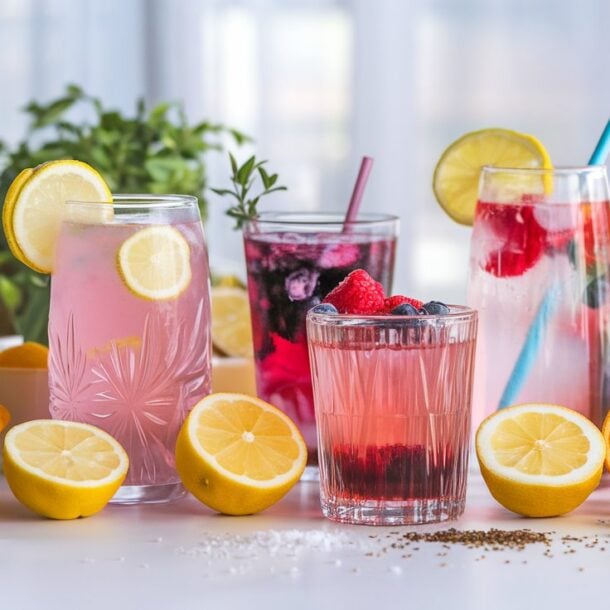
These drinks are especially well-tolerated on GLP-1 medications. Here are a few simple remedies…
Morning support:
- Warm lemon water
- Magnesium drink (low dose)
Quick relief (gentle):
- Coffee (only if tolerated)
- Warm herbal tea
Daily prevention:
- Electrolyte water
- Hydration + minerals throughout the day
Warmth and consistency matter more than strength.
Best Foods to Eat for Constipation Relief
While hydration and routine matter most for GLP-1 constipation relief, food choices can absolutely help — especially when they’re gentle and easy to digest.
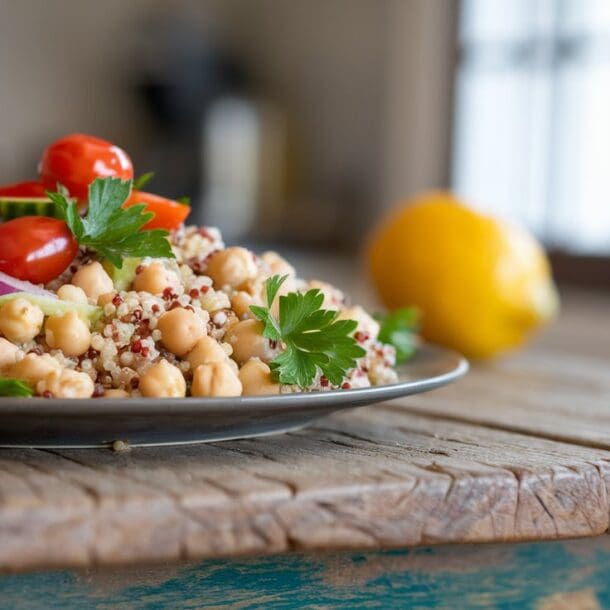
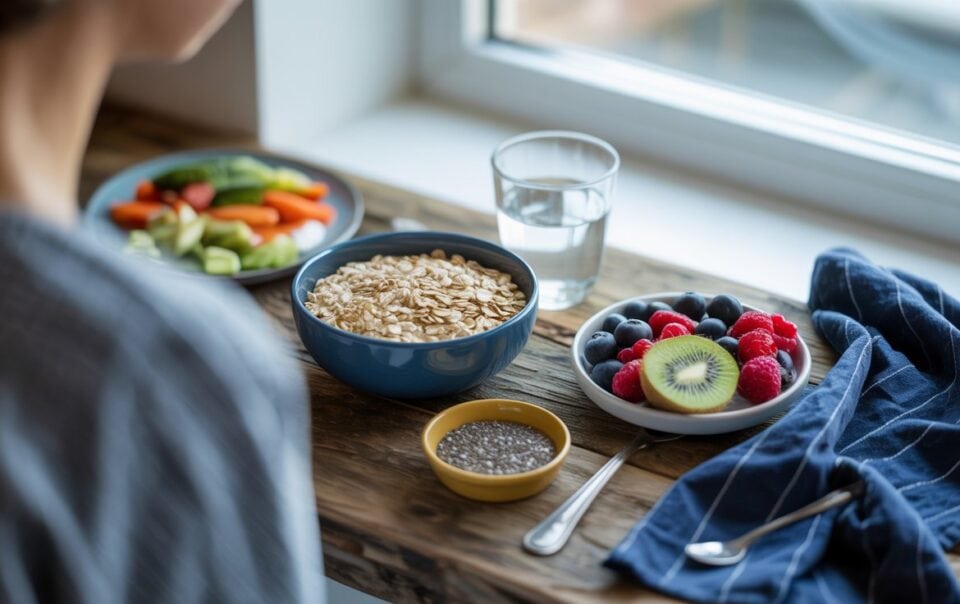
Some of the most helpful foods for constipation are those that provide moisture and fiber without overwhelming a slower digestive system. Think fiber-rich foods for constipation, but in smaller, well-tolerated amounts.
Helpful options include:
- Cooked vegetables (like zucchini, carrots, or spinach)
- Berries (especially blueberries and raspberries)
- Chia seeds or ground flax (start with small amounts)
- Oats or oatmeal
- Soups and stews, which combine fluids and fiber
These constipation relief foods help soften stool and support regularity without the bloating that can come from suddenly increasing fiber too fast. If you’re wondering how to treat constipation on GLP-1 medications, pairing these foods with good hydration usually works better than fiber alone.
👉 We’ll be diving much deeper into high-fiber foods for constipation — and how to use them safely on GLP-1s — in a dedicated article soon.
What to Avoid When Constipated on GLP-1s
These often make symptoms worse:
- Stimulant laxatives (frequent use)
- Large fiber doses without hydration
- Skipping meals entirely
- Stacking multiple remedies at once
- Ignoring nausea or discomfort signals
Your gut is already moving slowly — forcing it usually backfires.
When to Talk to Your Provider
Occasional constipation is common, especially early on. Check in with your healthcare provider if:
- constipation is severe or painful
- you haven’t had a bowel movement in several days
- symptoms worsen over time
- constipation is paired with vomiting or severe abdominal pain
Support can often be adjusted without stopping medication.
GLP-1 Constipation Relief: Frequently Asked Questions
How long does constipation last on GLP-1 medications?
For many people, constipation is most noticeable in the first few weeks as the body adjusts to slower digestion. With hydration, routine, and gentle support, it often improves over time. If constipation persists or worsens, it’s worth checking in with your healthcare provider.
Is constipation on GLP-1 medications dangerous?
Occasional constipation is common and usually not dangerous. However, severe constipation that lasts several days, causes significant pain, or is accompanied by vomiting or abdominal swelling should be addressed promptly with medical guidance.
Can I take a laxative while on GLP-1 medications?
Yes — occasional use of laxatives, including stimulant laxatives, may be appropriate when constipation is severe or prolonged. The key is using the lowest effective dose and avoiding frequent or regular use without medical advice.
What’s the best constipation drink for GLP-1 users?
Warm liquids tend to work best. Warm lemon water, herbal teas, broth, and low-dose magnesium drinks are often better tolerated than cold beverages and can gently stimulate digestion.
Should I increase fiber if I’m constipated on GLP-1?
Fiber can help, but adding too much too quickly can worsen bloating and discomfort on GLP-1 medications. Focus on hydration first, then slowly introduce gentle fiber sources like chia seeds or cooked vegetables.
When should I talk to my doctor about constipation on GLP-1?
If constipation is severe, ongoing, painful, or requires frequent laxative use, it’s important to talk with your provider. They can help adjust your plan, rule out complications, and recommend safe options tailored to you.
Final Thoughts
Constipation on GLP-1 medications is common, frustrating, and — thankfully — manageable.
The key is working with your slower digestion, not against it. Hydration, warmth, gentle movement, and routine go a long way. When you support your body instead of forcing it, relief often comes more naturally.
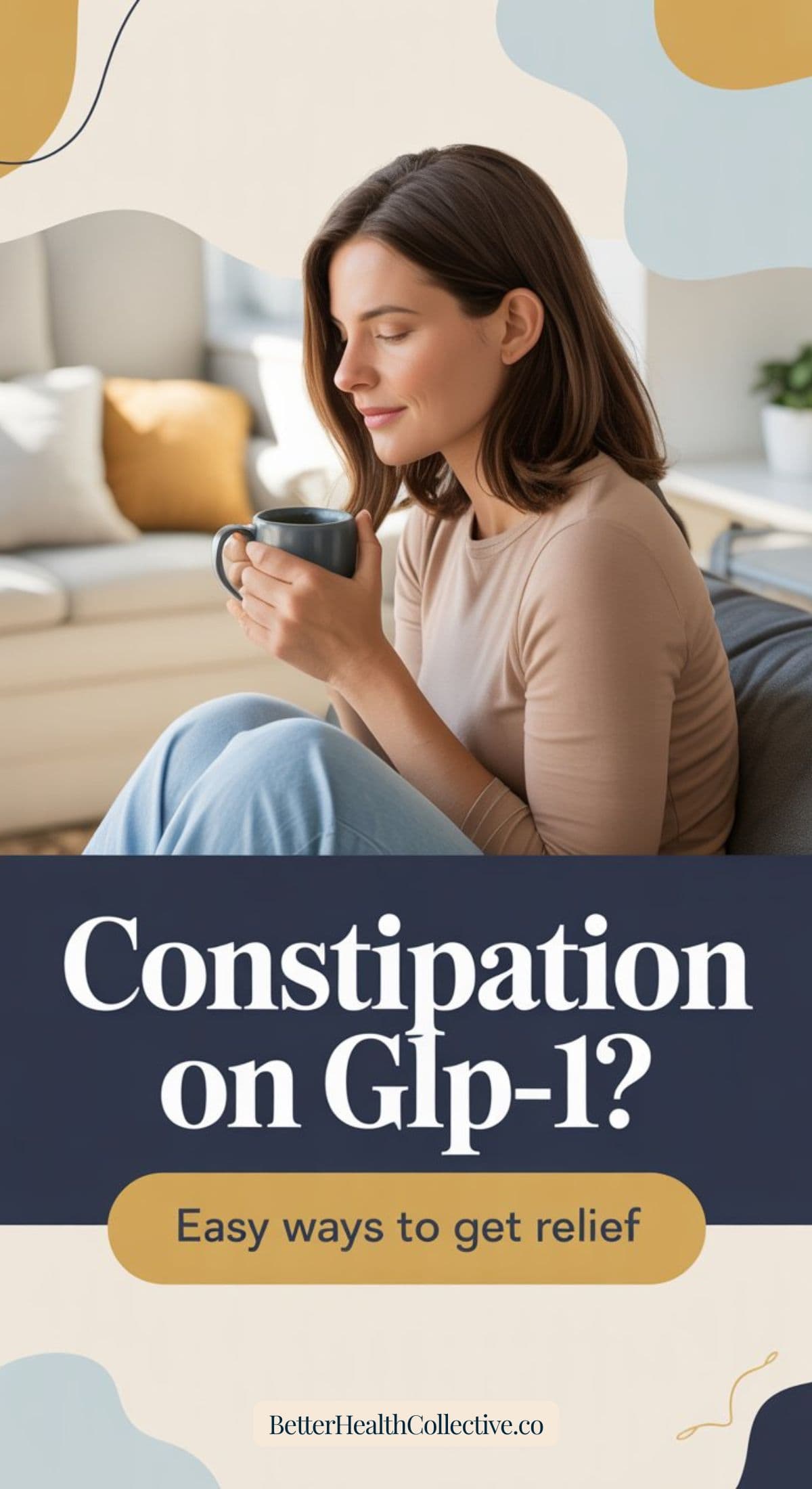
Save this pin for later (just in case you need it!)…
Please note: This website contains affiliate links. As an Amazon Associate, we earn from qualifying purchases at no additional cost to you.