

Please note: This website contains affiliate links. As an Amazon Associate, we earn from qualifying purchases at no additional cost to you.
Nobody warns you about the emotional side of GLP-1 medications.
You expect the nausea. You expect the smaller portions. You expect to fight with your refrigerator less. But mood swings? Random crying? Feeling “off” or unlike yourself?
That part catches people off guard.
And because the internet tends to shout “depression!” without any context, a lot of people quietly panic — even though these mood changes are usually normal, temporary, and explainable once you understand what’s going on inside your body.
Think of this article as the conversation you’d have with a friend who’s already been through it. The friend who says, “No, you’re not losing your mind. Here’s what’s actually happening — and here’s how you can feel better.”
You’re not alone.
You’re not imagining it.
And you’re definitely not stuck this way.
Let’s talk about what’s really going on.
What We’ll Cover:
- Why GLP-1 medications can shift your mood
- What emotional changes actually feel like (and why they’re normal)
- The surprising biology behind irritability, sadness, and emotional “flatness”
- Why under-eating and dehydration impact your mood more than you think
- How losing the dopamine from food affects emotions
- Gentle, science-based ways to feel calmer and more grounded
- When mood changes are normal… and when to reach out for help
What Mood Changes on GLP-1 Feel Like
Mood changes on GLP-1s like Wegovy or Zepbound rarely feel dramatic. They’re more subtle, more confusing — like your emotions don’t quite fit right for a minute.
Some days you may find yourself snapping at people you care about and then feeling guilty two seconds later. Other days you might feel strangely numb, like the world moved a few feet away from you. You’re present, but not fully plugged in.
Then there are days when emotions sit closer to the surface. You might tear up at commercials. Or cry because you can’t decide what to wear. Or feel overwhelmed by something you would normally shrug off.
For many people, it’s not depression — it’s emotional recalibration.
Your brain is learning to navigate life without using food as comfort, distraction, entertainment, or grounding. And when the eating-for-soothing switch turns off, emotions you used to soften with snacks or meals now arrive louder and clearer.
It can feel unsettling, but it is very common and very fixable. And perhaps the most comforting thing to know is that these emotional waves almost always smooth out as your body adapts.
Why GLP-1 Medications Can Affect Your Mood
Your brain is adjusting to less food — and food is emotional
Even if you don’t consider yourself an “emotional eater,” food still sends signals of comfort, reward, and routine to your brain. When that reward system suddenly quiets down, it can feel like a loss — not because you’re weak, but because biology is powerful.
Without that dopamine bump from food, things that used to take the emotional edge off… just don’t. This isn’t bad. It’s just new. And new things take time to settle.
Under-eating affects your emotions more than you realize
One of the biggest mood disruptors on GLP-1s is simply not eating enough, or not eating consistently. Even mild hunger can feel like anxiety, irritability, sadness, or emotional fog — especially when your appetite cues are muted and you don’t realize your body needs fuel.
Your brain runs on glucose.
Your mood runs on consistency.
When your food intake becomes unpredictable, your emotions follow.
Blood sugar drops can mimic anxiety
Skipping meals — or eating much less than before — can cause gentle blood sugar dips. They’re not dangerous, but your brain absolutely notices them. A small dip can feel like uneasiness, worry, edginess, or a sense that “something is off.”
You’re not anxious.
Your brain is just saying, “Hey, could we eat something?”
Dehydration makes everything feel heavier
You know how dehydration can make you cranky, tired, or foggy during normal life? Now imagine that layered on top of a medication that quietly reduces thirst and slows digestion.
Even mild dehydration can feel like:
- sadness
- irritability
- stress
- emotional fatigue
- mental fog
Staying hydrated is one of the simplest ways to level your mood again.
Your body is releasing emotions food used to bury
This one is deep — but important.
If food used to muffle feelings (stress, boredom, loneliness, overwhelm), GLP-1s remove that buffer. Suddenly emotions show up in their full volume. It’s not a mental health crisis. It’s emotional honesty. And emotional honesty can feel shocking at first.
You are not “breaking.”
You are adjusting.
Hormonal shifts add to the mix
GLP-1 medications impact hunger hormones that also influence sleep, stress response, and emotional regulation. As appetite settles into its new pattern, your mood steadies along with it.
How to Support Your Mood on GLP-1s
Eat regularly — even if you’re not hungry
Your appetite signals may be whispering, but your brain still needs consistent fuel. Try anchoring your day with small, gentle meals instead of waiting until you’re starving (because on GLP-1s, that moment rarely comes).
Think: a few bites every few hours.
Not heavy meals — just fuel.
Add protein + gentle carbs to your day
Protein keeps your blood sugar steady.
Carbs help produce serotonin.
Together, they stabilize mood better than almost anything.
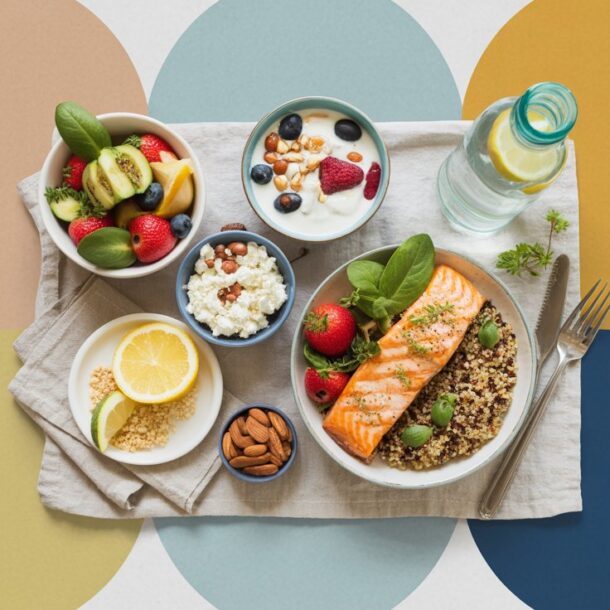
If you’re struggling with appetite, go for easy options like yogurt, cottage cheese, oatmeal, fruit, toast, smoothies, or eggs.
Sip electrolytes — not just water
Electrolytes can shift mood faster than water alone. People are often shocked by how much calmer and clearer they feel within 15–20 minutes of drinking them.
This is especially important on nausea days or during dose increases.
Stay Hydrated

LMNT Electrolyte Powder Packets | No Sugar, No Artificial Ingredients
Shop on Amazon
$14.99
We earn a commission if you make a purchase, at no additional cost to you.
11/30/2025 05:34 am GMT

Don’t drink coffee on an empty stomach
Coffee without food increases cortisol, irritability, and that weird internal shakiness. Even a few bites of protein or toast can completely change how your body handles caffeine.
Move gently
You don’t need intense workouts. Even a slow walk can lift your mood and help your nervous system regulate again.
Add simple joy back into your day
When food stops giving dopamine, you need new sources of delight.
Think tiny pleasures: a warm shower, a favorite playlist, sunlight on your face, a cozy hoodie, skincare, journaling, calling a friend. Small joys add up.
Be patient with yourself
GLP-1 mood shifts aren’t a sign of weakness. They’re a sign that your brain is recalibrating. Some days will feel easier than others. That doesn’t mean you’re doing anything wrong.
When Mood Changes Are Normal — and When to Reach Out
Most of the mood changes people experience on GLP-1s are completely normal, especially in the early weeks or after a dose increase. They tend to settle as your body adjusts to new patterns of hunger, digestion, and reward.
But trust your intuition.
Reach out to your provider if you ever feel:
- severely depressed
- hopeless
- unable to function normally
- emotionally out of control
- disconnected from yourself for long stretches
- any thoughts of self-harm
These reactions are rare, but your mental health always comes first.
Final Thoughts
Mood changes on GLP-1s aren’t talked about enough. They can feel unsettling and even a little scary when you don’t understand what’s happening. But once you know the biology behind it — and once you give your brain the consistency, nourishment, and kindness it needs — things absolutely get better.
Your mood isn’t broken.
Your body isn’t working against you.
You are simply learning a new emotional rhythm — one that’s not tied to food.
And in time, you really do start to feel like yourself again — grounded, steady, and proud of the progress you’re making.
Please note: This website contains affiliate links. As an Amazon Associate, we earn from qualifying purchases at no additional cost to you.