Please note: This website contains affiliate links. As an Amazon Associate, we earn from qualifying purchases at no additional cost to you.
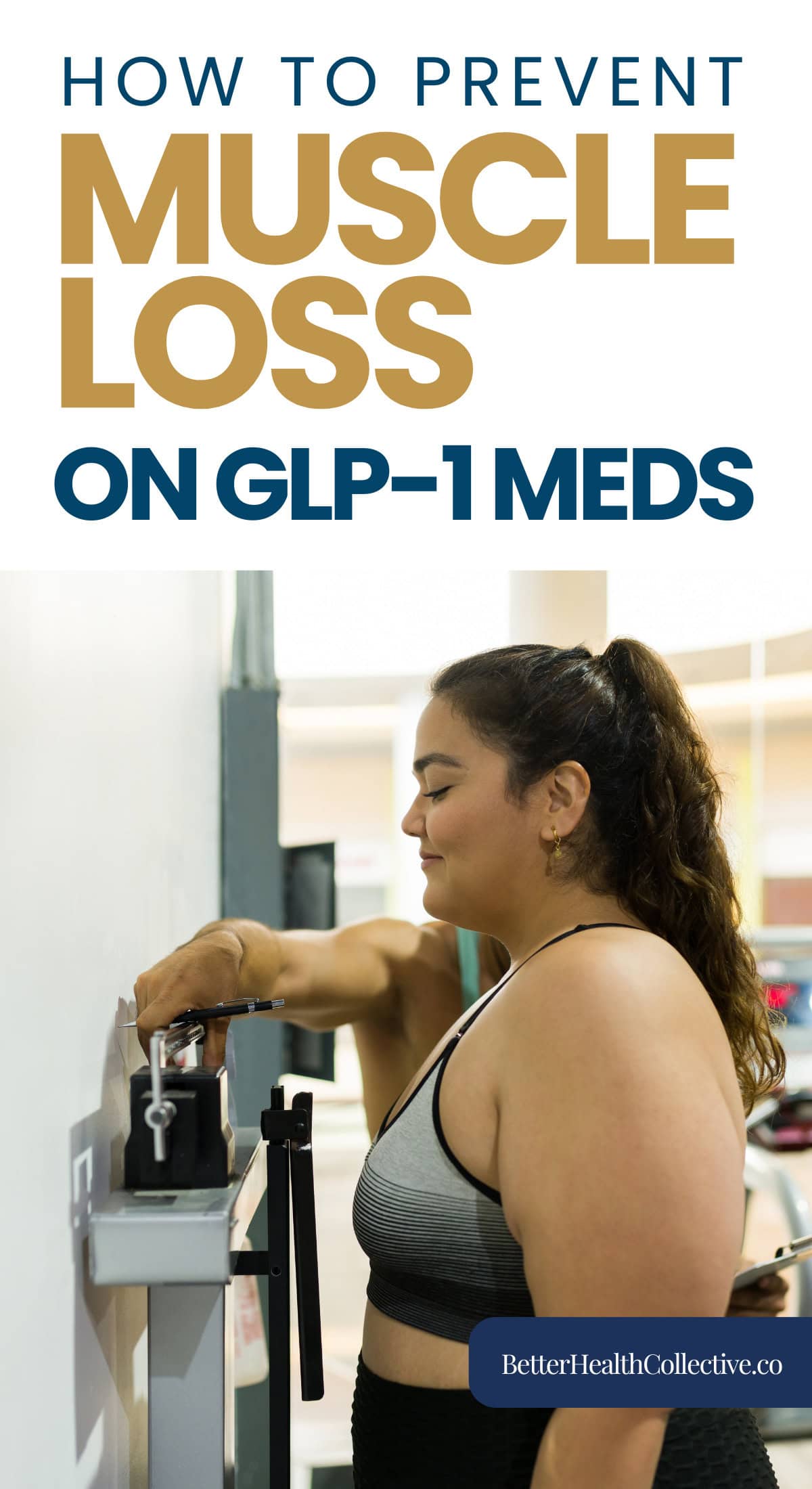
If you’ve been on Wegovy, Ozempic, Zepbound, or Mounjaro for more than five minutes, you’ve probably seen at least one headline screaming something like,
“GLP-1s are making people lose muscle!!”
Cue panic. Cue confusion. Cue late-night Googling.
Here’s the truth — the calm, honest version:
GLP-1 medications don’t cause muscle loss.
Weight loss causes muscle loss.
And every diet on earth — keto, fasting, calorie counting, Weight Watchers, raw vegan — comes with the exact same risk.
But here’s the important part:
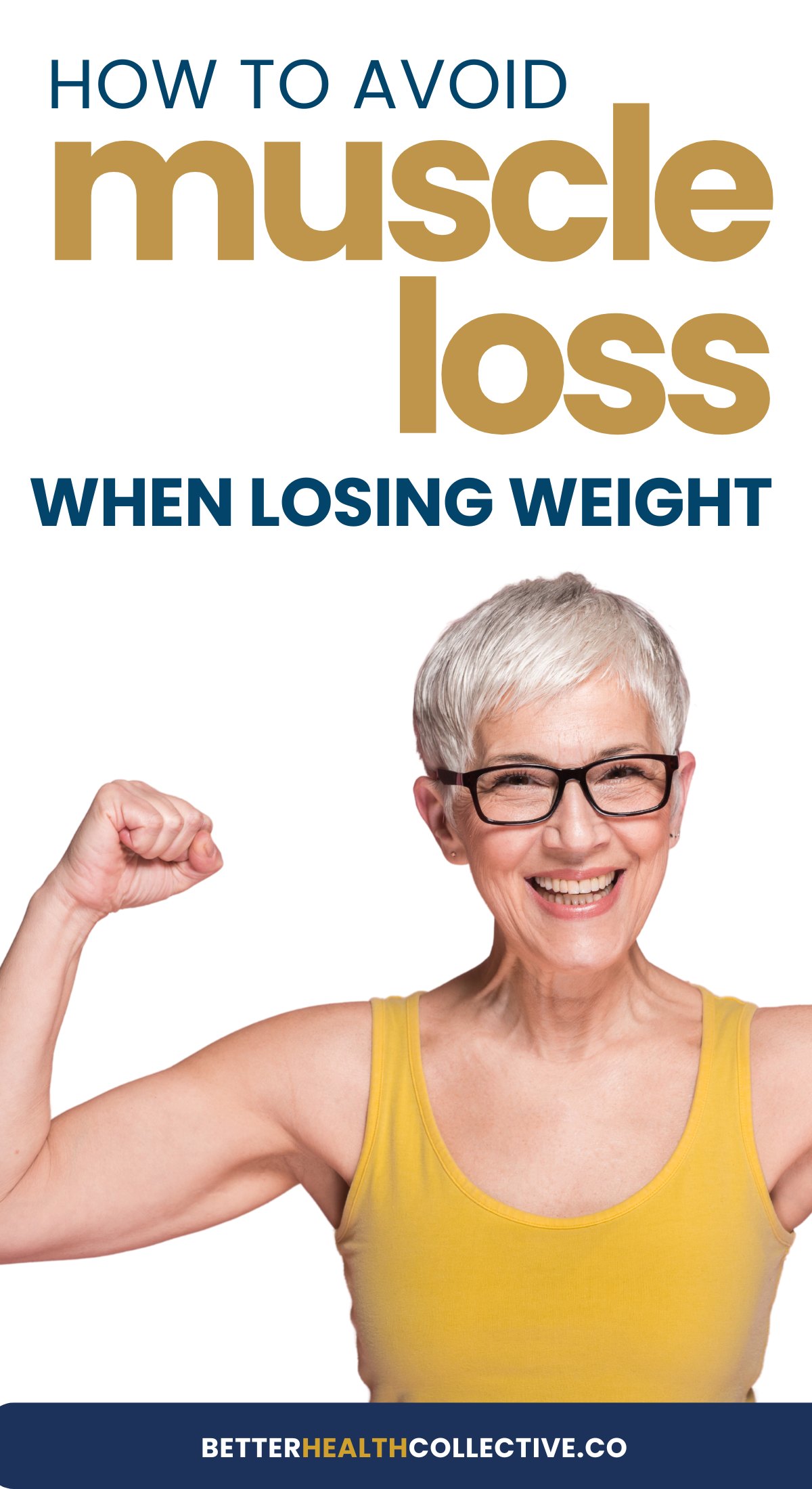
You can absolutely protect your muscle on a GLP-1 medication. In fact, you can keep most of it — and even build muscle — if you support your body the right way.
This article breaks down what GLP-1 users really need to know about muscle loss, how much is normal, and the simple daily habits that protect your strength, metabolism, and long-term health.
What You’ll Learn
- What causes muscle loss during any weight loss (not just GLP-1)
- Why GLP-1 users are more vulnerable
- How to prevent muscle loss during weight loss
- What to eat on low-appetite or nausea days
- How can you tell if you’re losing (or gaining) muscle?
- A Muscle Maintenance Toolkit to make everything easier
Why Muscle Loss Happens (On Any Weight Loss Plan)
A calorie deficit affects both fat and muscle
When you lose weight, your body pulls energy from fat and, unfortunately, some muscle. This is normal biology. Muscle is metabolically expensive for your body to maintain, so without the right signals, your body lets some of it go.
Eating less = your body has less fuel
If your calorie intake drops too low — which happens very easily on GLP-1s — your body turns to muscle as backup energy.
Low protein accelerates muscle breakdown
Protein is your body’s building material.
Not enough protein = your muscles slowly shrink.
Lack of strength training removes the “keep this muscle” signal
If you’re not lifting, pushing, pulling, or doing resistance work, your body assumes you don’t need as much muscle anymore.
Rapid weight loss increases the risk
The faster you lose weight, the higher the percentage of that weight that can come from muscle.
This is NOT a GLP-1 thing — it’s a human biology thing.
Why Muscle Loss Feels Different for GLP-1 Users
Appetite suppression → accidental undereating
Most GLP-1 users don’t lose muscle because of the medication —
they lose muscle because they’re unintentionally eating:
- too little protein
- too few calories
- too infrequently
When appetite drops to 10–30% of what it used to be, muscle loss becomes more likely.
Nausea + early fullness make protein harder
Protein is one of the most filling foods.
When you’re on a medication that makes you full fast, it’s easy to skip it…
…which means your muscles miss their main building material.
Lower energy = less movement
Fatigue, dizziness, or low motivation can mean fewer workouts or less general movement. Less movement = the body becomes more willing to shrink muscle.
Aging adds another challenge
After age 40, we naturally lose 1–2% of muscle per year — faster without resistance training.
Add GLP-1 appetite suppression, and the risk increases.
The good news?
Every single one of these factors is fixable.
How to Prevent Muscle Loss While on GLP-1 Medication
Eat protein at every meal
Protein is non-negotiable for preserving muscle.
GLP-1 users should aim for:
- 25–35 grams per meal
- Minimum 90–120 grams per day
- More if you’re active or lifting
Learn more: PROTEIN 101: How Much Protein Should You Eat When You’re on a GLP-1 Weight Loss Medication?
Prioritize easy-to-digest proteins
Because heavy proteins can cause nausea or bloating, choose lighter ones:
- Greek yogurt
- Cottage cheese
- Protein shakes
- Eggs
- Soft chicken or turkey
- Fish
- Tofu
- Lentil soup
- Low-fat cheese sticks
- Bone broth + collagen
Use protein shakes strategically
Protein shakes are your BEST friend on low-appetite days.
They’re fast, easy, and don’t require chewing (which matters more than people admit).
Easy Protein Source

Fairlife Nutrition Protein Shakes
Shop on Amazon
$33.99
30g Protein, Low Sugar, Lactose-Free | Delicious chocolate Flavors 11.5 fl., oz (12-pack)
We earn a commission if you make a purchase, at no additional cost to you.
11/30/2025 12:31 pm GMT

Lift weights (even light weights!)
Strength training is the #1 way to tell your body:
“Keep this muscle. I’m using it.”
GLP-1-friendly strength training includes:
- Dumbbells
- Resistance bands
- Glute bridges
- Bodyweight exercises
- Pilates
- Machines at the gym
30 minutes, 2–3x per week is enough to make a huge difference.
PRO TIP: If 30 minutes sounds daunting, start with 5 or 10 minutes. You can do anything for 5 or 10 minutes, right?
Increase steps — gently
Walking increases circulation and supports muscle maintenance.
Aim for:
- 6,000–8,000 steps/day AND/OR
- 10–15 minute walks after meals
TIP: Just like lifting weights, start small. If you only take 2,500 steps per day right now, increase to 3,000 this week and then increase again next week. Keep going and keep improving!
Eat enough calories
Yes — you can eat too little on GLP-1s. Aim for:
- Minimum 900–1,200 calories/day
- Ideally 1,200–1,600 for most women
- Higher if active or lifting
If you’re consistently below 900, your risk of muscle loss skyrockets.
Space meals 3–4 hours apart
This prevents long gaps in protein intake, helping your body maintain steady amino acid availability.
Add carbs for energy
Carbs give your muscles fuel to grow and function.
Good choices include:
- oatmeal
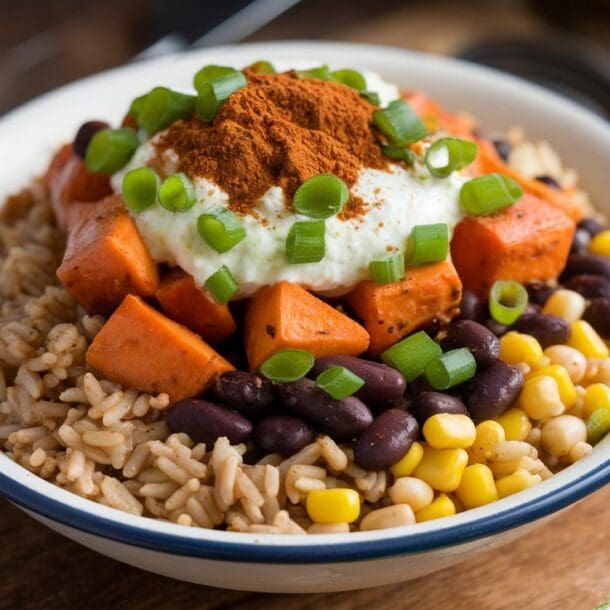
- sweet potatoes
- rice
- quinoa
- fruit
- whole-grain toast
Add creatine (optional but powerful)
Creatine is one of the most studied muscle-preserving supplements.
It helps:
- muscle strength
- energy
- recovery
- hydration
It’s safe for most people and works extremely well for women 40+.
What to Eat on Low-Appetite or Nausea Days
You don’t need full meals — you need fuel + protein.
Perfect “small appetite” options:
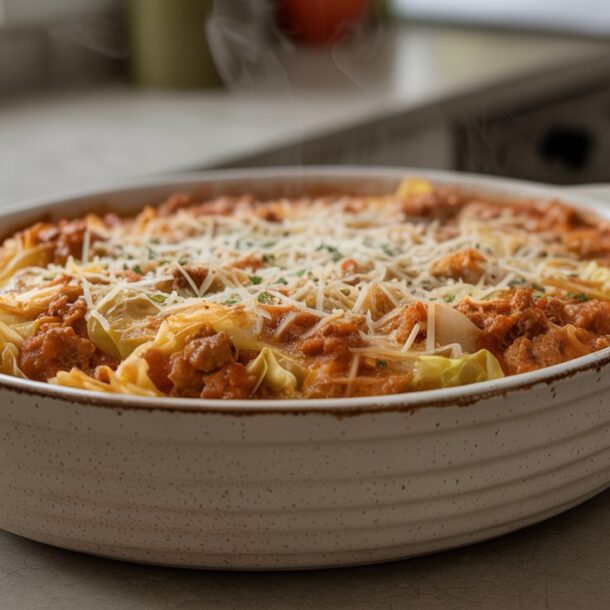
- Protein shake + fruit
- Cottage cheese with pineapple
- Greek yogurt with honey
- A small turkey roll-up
- A soft scrambled egg
- Protein oatmeal
- Bone broth with added collagen
- High-protein pudding
- Half a protein bar
- Smoothie with chia seeds
Small but effective.
The GLP-1 Muscle Maintenance Toolkit
Protein Powders
Easy, fast, portable, and gentle on sensitive digestion.
Resistance Bands
Perfect for at-home lifting without intimidation.
Creatine Monohydrate
Supports strength, energy, and muscle preservation.
Electrolytes
Critical when lifting + eating less. Also improve energy.
Egg Bites or High-Protein Snacks
Keeps protein easy and non-overwhelming.
Walking Pad or Mini Stepper
Great for low-energy movement days.
Adjustable Dumbbells
Simple, space-saving, extremely effective for strength.
How Can I Tell If I’m Losing Muscle?
Common signs:
- Feeling physically weaker
- Harder time standing from low chairs
- Slower walking speed
- Softer or “flatter” muscles
- Lower energy
- Trouble carrying groceries
- Weight loss but stalled inches lost
Remember:
Losing some muscle during weight loss is normal.
The goal is to minimize, not eliminate it.
Learn How to Track Muscle While Losing Weight on GLP-1 Medications – it’s easier than you might think!
When to Talk to Your Provider
You should check in if you experience:
- Rapid weakness
- Difficulty walking or standing
- Unintentional extreme calorie restriction
- Significant dizziness
- Eating under 700 calories/day regularly
- Unexplained swelling or fluid retention
These are rare — but worth mentioning.
Final Thoughts
Muscle loss during weight loss sounds scary, but it’s actually a normal, predictable part of losing weight — and you have so much control over it.
Your GLP-1 medication isn’t the enemy here.
Undereating, low protein intake, and inactivity are.
And the best part?
You can fix all of those with small, doable habits tailored to your new appetite and digestion.
You deserve to lose weight in a way that keeps you strong, energetic, confident, and capable — and this guide helps you do exactly that.
Please note: This website contains affiliate links. As an Amazon Associate, we earn from qualifying purchases at no additional cost to you.