Please note: This website contains affiliate links. As an Amazon Associate, we earn from qualifying purchases at no additional cost to you.
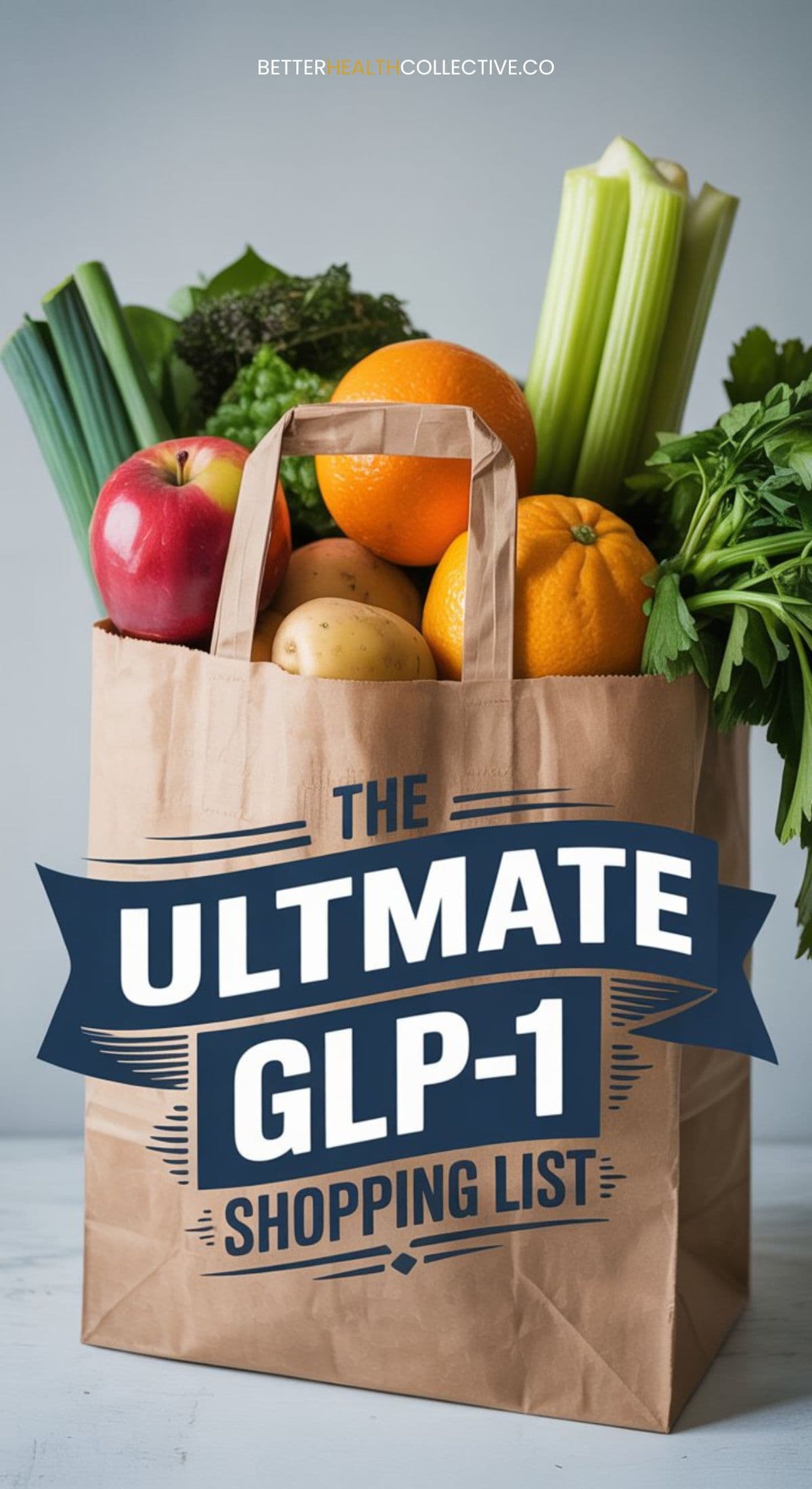
Losing weight on GLP-1 medications like Wegovy, Ozempic, Zepbound, or Mounjaro isn’t just about eating less. It’s about eating smart — nourishing your body, protecting muscle, staying hydrated, and preventing common side effects while your appetite tapers off.
A little preparation goes a long way, and this shopping list is your go-to guide for building a kitchen that supports your journey instead of working against it. Think simple meals, easy snacks, gentle-on-the-stomach options, and key items that help manage nausea, constipation, low appetite, and fatigue.
This guide will help you:
- Know what to buy before you start your GLP-1 medication
- Stock up on supplements & OTC items that support side effect relief
- Fill your fridge with protein-forward, high-nutrient foods
- Pick grab-and-go snacks for low appetite days
- Make meals feel easy — even when you don’t feel like eating
- Track your progress (beyond the scale alone)
Ready to build your GLP-1-friendly kitchen? Let’s dive in.
What to Buy Before Starting the Medication
Before you take your first injection, stock up on these essentials to make the transition as smooth as possible.
- A good water bottle – you probably already one one (or five!), but keep a few handy because hydration is key on these GLP-1 medications
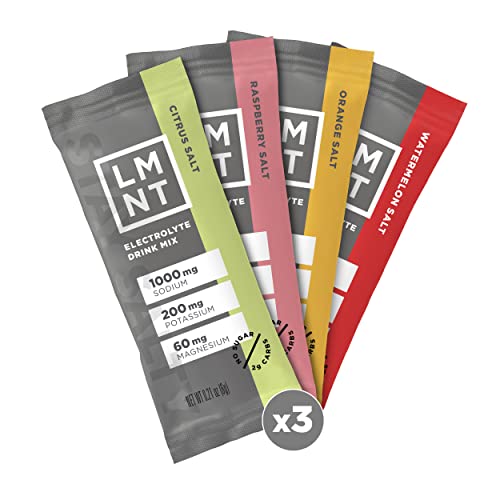
- Electrolyte packets for dizziness & dehydration- make sure you get sugar-free!
- This one has been a lifesaver for me. Truly.
- Measuring tape – so you can get your “before” measurements
- If you’re on any online chat groups you’ll hear about so many people that regretted not doing the measurements in the beginning. They usually sell this tape at a dollar store, so grab one and you’ll thank yourself later.
- A body scale – I’ve tried three and this was the best so far (and the least $$). Also love that the app is free so it’s fun to track your progress.
Best Seller

FITINDEX Smart Scale for Body Weight, Bluetooth Body Fat Scale
Shop on Amazon
$24.98
We earn a commission if you make a purchase, at no additional cost to you.
11/30/2025 01:00 pm GMT

Learn more about tracking fat / muscle / weight loss when you are on a GLP-1 medication.
- Protein shakes or powders (in case appetite drops).
- Ginger tea or mints (for nausea relief)
- Smooth, easy-to-eat protein snacks (like Greek yogurt or cottage cheese)
- Fiber supplement (to prevent constipation)
- Miralax or a gentle laxative if you do get constipated
- Pepto Bismol for nausea, heartburn and other fun issues
- Antacid Chews for heartburn and acid reflux symptoms
- Low-carb crackers, toast or oatmeal for mild nausea
- A digital food scale so you can weigh your proteins (i.e. chicken, deli meat, etc) and make sure you’re getting enough
Best Buy

Etekcity Food Kitchen Scale, Digital Grams and Ounces for Weight Loss
Shop on Amazon
$9.99
We earn a commission if you make a purchase, at no additional cost to you.
11/30/2025 09:17 am GMT
💡 Pro Tip: Your appetite will drop—so make sure you have small, high-protein meals and snacks ready for when you do feel like eating.
Key Grocery & Pantry Staples (GLP-1-Friendly Foods)
Key Grocery & Pantry Staples (GLP-1-Friendly Foods)
When your appetite is lower, every bite needs to count. Your body still requires protein for muscle maintenance, fiber for digestion, and healthy fats for hormones and fullness — even if you’re eating less overall. Stocking your kitchen intentionally makes meals easier and helps prevent side effects before they start.
✔ High-Protein Foods (Muscle-Saving Essentials)
Protein is the most important macronutrient while taking GLP-1s. It keeps you full longer, supports metabolism, and prevents muscle loss — crucial during weight loss.
Great staples to keep on hand:
- Chicken breast/thighs (rotisserie is a lifesaver for quick meals)
- Lean ground turkey or beef
- Eggs + egg whites (easy protein add-in)
- Salmon, tuna, canned sardines (omega-3 and protein rich)
- Tofu & tempeh (excellent for plant-based eaters)
- Greek yogurt (plain, high-protein varieties work best)
- Cottage cheese (great for snacks or blended into smoothies)
- String cheese or high-protein cheese sticks
💡 Tip: Aim to have a protein source at every meal — even small portions help you reach your daily goals.
✔ High-Fiber Carbs (Digestion + Satiety Support)
Fiber helps prevent constipation — one of the most common GLP-1 side effects — and supports gut health and blood sugar stability.
Helpful fiber-rich staples include:
- Oatmeal (steel-cut or rolled for slower digestion)
- Quinoa or brown rice (meal-prep friendly)
- Chia seeds & flaxseeds (great for puddings or smoothies)
- Berries (fiber-dense and appetite-friendly)
- Leafy greens like spinach, kale, romaine
- Lentils, chickpeas, black beans (high fiber + plant protein)
💡 Tip: Combine fiber + protein for longer-lasting energy and better fullness.
✔ Healthy Fats (For Fullness, Hormones & Flavor)
Healthy fats keep meals satisfying, support absorption of fat-soluble vitamins, and help maintain hormone balance.
Great options to stock:
- Avocados (easy to add to bowls, toast, or smoothies)
- Olive oil & coconut oil (cook or drizzle for flavor + satiety)
- Nuts & nut butters (almonds, cashews, walnuts — snack gold)
- Fatty fish like salmon, mackerel, sardines
💡 Pro Tip: A little fat goes far — especially when appetite is low. Add a spoonful of olive oil or avocado to meals for lasting satiety.
Favorite GLP-1-Friendly Snacks
Some days, a full meal feels overwhelming — snacks are a great way to meet protein needs without volume. These are small, satisfying, and easy to tolerate, even on low-appetite days:
- Hard-boiled eggs (prep once, grab all week)
- String cheese + a handful of almonds (fat + protein combo)
- Greek yogurt topped with chia seeds or berries
- Cottage cheese with fruit or Everything Bagel seasoning
- Beef or turkey jerky (look for lower sodium + cleaner ingredient labels)
Favorites: Chomps & Chef’s Cuts
💡 Snack Strategy: Choose snacks that give 10–20g of protein — small portions, big nutritional benefit.

CHOMPS Pepperoni Turkey Jerky Meat Snack Sticks (10 Pack)
Shop on Amazon
High Protein, Sugar Free, Gluten Free, 60 Calories
We earn a commission if you make a purchase, at no additional cost to you.
- Hummus with cucumbers & bell peppers
- Protein bars (low sugar, high protein)
- Pre-made Protein Shakes (I’m borderline obsessed with Fairlife Chocolate Protein Shakes)
- Canned tuna or salmon with whole-grain crackers – Costco’s Kirkland brand the best albacore tuna
- Edamame with sea salt –

The Only Bean Crunchy Dry Roasted Edamame Snacks
Shop on Amazon
$14.97
Fantastic grab and go GLP-1 snack idea! High Protein, Low Carb Gluten Free 100 Calorie Snack Pack, 10 Pack
We earn a commission if you make a purchase, at no additional cost to you.
11/30/2025 09:17 am GMT
💡 Pro Tip: Portion out snacks ahead of time so you always have something quick and high-protein ready to grab.
Hydration & Electrolytes (To Prevent Dizziness & Fatigue)
Many GLP-1 users forget to drink water, which can lead to dizziness, fatigue, and nausea. Electrolytes help prevent dehydration and keep energy levels up.
✔ Water bottle (with time markers to remind you to drink)
✔ Electrolyte powders (LMNT, Liquid IV, Nuun)
✔ Coconut water (natural electrolyte source)
✔ Bone broth (for hydration + protein)
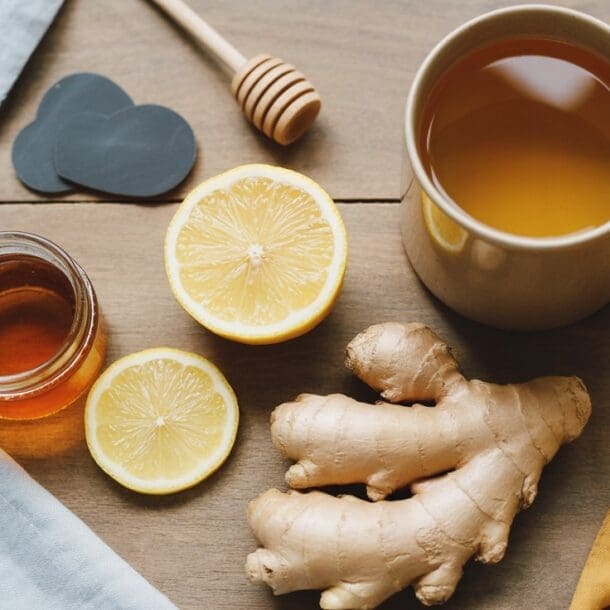
✔ Herbal teas (peppermint, ginger, chamomile to aid digestion)


💡 Pro Tip: If you wake up feeling sluggish or lightheaded, drink electrolytes before coffee.
Protein Powders & Supplements (Easy Ways to Hit Daily Protein Goals)
On GLP-1 medications, appetite often drops long before protein needs do. If eating enough protein feels difficult, drinking your protein can be a game-changer — especially in the mornings or on days when food just isn’t appealing.
Great Options to Keep on Hand
- Whey protein isolate – easy to digest, blends smoothly, and usually the highest in protein per scoop.
- Collagen peptides – supports skin, joints, and gut health; a great add-in, though not a complete protein alone.
- Plant-based protein powder – pea or hemp powders for dairy-free users or sensitive stomachs.
- Fairlife Core Power / Premier Protein shakes – convenient 30g protein options for grab-and-go days.
💡 Pro Tip: Mix protein powder into Greek yogurt, oatmeal, pudding, or even coffee for a boost without increasing portion size — ideal when appetite is low.
Over-the-Counter Medications & Remedies for Common GLP-1 Side Effects
It’s normal to experience nausea, constipation, bloating, or acid reflux when starting GLP-1s. Stocking a few OTC supports ahead of time can make the transition much smoother.
Helpful Items to Keep at Home
- Ginger tea, mints, or chews – soothing and natural nausea relief.
- Dramamine or Bonine – for more intense nausea (use as needed with care).
- TUMS or Pepcid AC – helps with acid reflux or heartburn flare-ups.
- Magnesium citrate / Calm powder – gentle support for constipation relief.
- Fiber supplements (psyllium husk or acacia fiber) – improves regularity and stool softness.
- Stool softeners or Miralax – helpful if constipation becomes persistent.
💡 Pro Tip: If nausea hits, try small protein-focused meals, eat slowly, and avoid greasy or very sweet foods. Many people find chilled foods, smoothies, or soups easier during the first few weeks.
Kitchen Essentials for Easy Meal Prep
Because cooking shouldn’t be a hassle. These tools make GLP-1-friendly meal prep quick and easy.
✔ Air fryer (fast, high-protein meals with no oil needed)
Our Top Pick

Ninja Air Fryer
Shop on Amazon
$79.99
We earn a commission if you make a purchase, at no additional cost to you.
11/30/2025 09:17 am GMT
✔ Blender (for protein smoothies when solid food feels like too much)
✔ Instant Pot (for batch-cooking lean proteins & soups)
✔ Meal prep containers (to portion out grab-and-go meals)
We tested dozens of meal prep containers and selected the top seven. Check them out here.
Pro Tip: Batch cook protein at the start of the week to make meal prep effortless.
What to Avoid Buying (Foods That May Worsen Side Effects)
Certain foods can trigger nausea, slow digestion, or make GLP-1 side effects more noticeable. You don’t have to give these up forever — just know they may be harder on your stomach, especially in the first few weeks.
❌ Fried & greasy foods — slow digestion and often worsen nausea
❌ High-sugar foods — cause blood sugar spikes → hunger, cravings, crashes
❌ Carbonated drinks — can increase bloating, burping, and stomach pressure
❌ Artificial sweeteners (sorbitol, maltitol, aspartame) — known to cause GI discomfort, gas, and diarrhea for some people
💡 Pro Tip: Everyone’s tolerance is different. If a food consistently makes you feel nauseous, sluggish, or bloated — your body is giving you feedback. Listen and adjust without guilt.
FAQs — Your GLP-1 Grocery & Shopping Questions Answered
How much protein should I aim for while taking GLP-1 medications?
Many people do well aiming for 80–120g per day, but needs vary by age, activity level, and goals. Focus on including a protein source at each meal and snack. Always check with your healthcare provider for personalized targets.
What if I have low appetite and struggle to eat full meals?
Go small, but protein-forward. Greek yogurt, protein shakes, cottage cheese, soups, and soft foods are often easier to tolerate. Small portions still count.
Can I still eat carbs while on Wegovy/Ozempic/Zepbound/Mounjaro?
Yes — just choose fiber-rich carbs like oats, quinoa, beans, fruit, and vegetables rather than sugary or refined options. Carbs help digestion, energy, and satiety.
What snacks work best for GLP-1 users?
Snacks that contain protein + fiber or healthy fats work best. Examples: cottage cheese and berries, jerky and nuts, Greek yogurt with chia, or hard-boiled eggs.
Should I avoid sugar completely?
Not necessarily — but high-sugar foods can cause blood sugar spikes, cravings, and fatigue. Many people feel better with moderate sugar + balanced protein.
What helps with constipation on GLP-1 medications?
Hydration, fiber, and magnesium supplements can help. Chia seeds, leafy greens, electrolytes, and movement also support digestion. If constipation is persistent, consult your provider.
Do I need electrolytes while taking GLP-1s?
Electrolytes often help prevent dizziness, headaches, fatigue, or dehydration — especially when appetite is low and eating is light.
Can I drink coffee?
Yes — but pair it with protein instead of drinking it on an empty stomach. A splash of milk with protein powder or a side of Greek yogurt can help.
Should I lower my portion sizes?
Most people naturally do due to appetite reduction. Focus less on quantity and more on quality + balanced nutrients per bite.
Final Thoughts: The Right Shopping List Makes GLP-1 Weight Loss Easier
Eating well on GLP-1 medications doesn’t have to feel complicated — preparation simply makes the journey smoother. A stocked kitchen means less guesswork, fewer skipped meals, and more opportunities to nourish your body even when appetite is low.
Remember to:
✔ Prioritize high-protein foods to support muscle + metabolism
✔ Keep quick, grab-and-go snacks for low-hunger days
✔ Stay hydrated with water + electrolytes to reduce dizziness + fatigue
✔ Have side-effect support items ready before you need them
Small steps make a big difference — and you’re already doing the work by learning how to support your body intentionally.
You’ve got this. 💛
Please note: This website contains affiliate links. As an Amazon Associate, we earn from qualifying purchases at no additional cost to you.