


Please note: This website contains affiliate links. As an Amazon Associate, we earn from qualifying purchases at no additional cost to you.
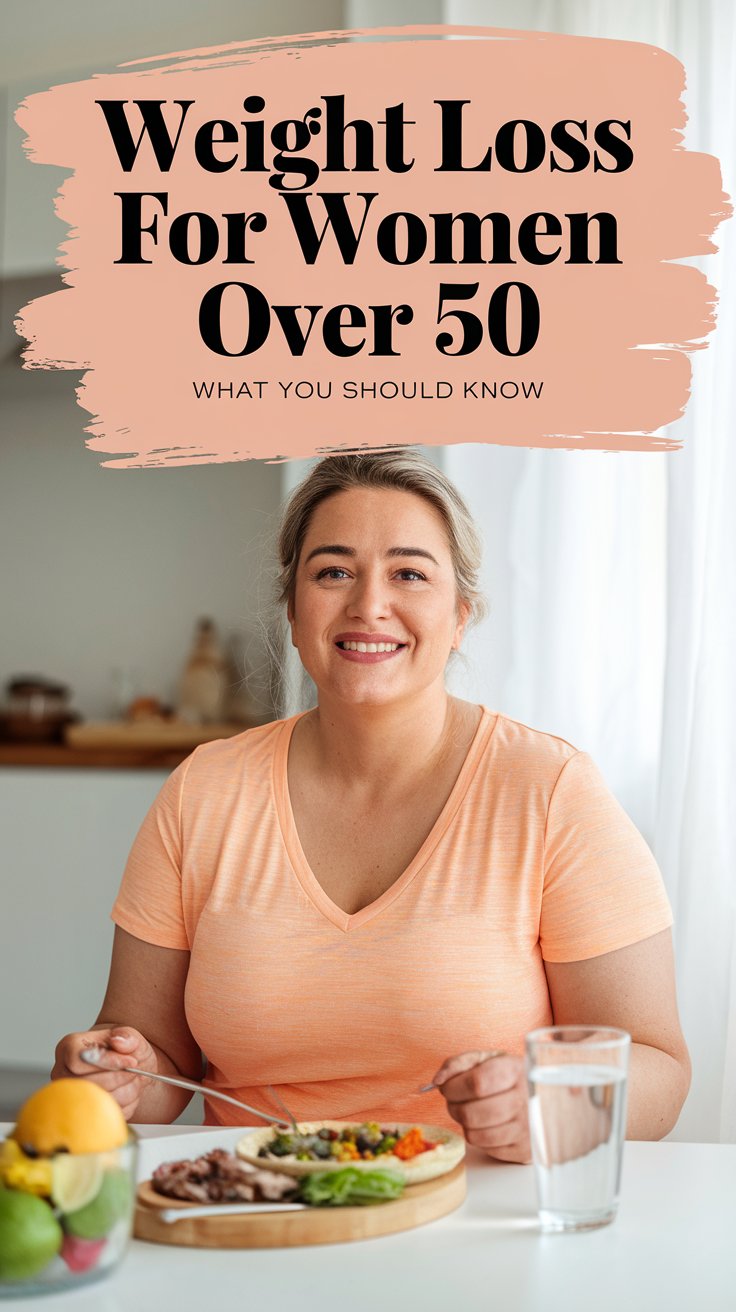
Losing weight over 50 can feel like pushing a shopping cart with one stuck wheel uphill — slow, frustrating, and not at all like it used to be.
The metabolism that once let you drop five pounds just by skipping dessert now seems to cling to every calorie like a precious keepsake. Hormones change, energy shifts, and suddenly belly fat becomes stubborn in ways that feel personal.
Enter Semaglutide — the GLP-1 medication behind name brands like Wegovy, Ozempic, and Zepbound. It has helped countless women reduce appetite, lose weight, balance blood sugar, and regain confidence in their bodies.
But how well does it work for women in their 50s and beyond? Can it support hormonal weight gain? And what should you know before starting?
If you’re considering Wegovy, Semaglutide, or Zepbound for weight loss — or you’re already on it but want better results — this guide will walk you through everything you need to know as a woman navigating midlife weight loss.
Why Weight Loss Over 50 Is Different
Women often think they’re “doing something wrong” when the scale won’t budge — but in your 50s, your body is simply playing by a new set of rules. Declining estrogen, changing metabolism, and muscle loss all change how weight is gained, stored, and lost.
Here’s what’s working against you (and why it’s not your fault):
- Metabolism naturally slows — you burn fewer calories doing the same daily routine
- Menopause shifts fat storage to the belly area, even without weight gain
- Muscle mass declines faster after 50, lowering your daily calorie burn
- Carb tolerance decreases, increasing insulin resistance and cravings
- Joint pain or fatigue may limit exercise options, making movement harder than it once was
None of these mean weight loss is impossible — just that it requires strategy. Semaglutide can help level the playing field, but pairing it with supportive habits is where real success happens.
How Semaglutide Works for Weight Loss After 50
Semaglutide mimics GLP-1, a hormone your body already produces that controls appetite, digestion, and blood sugar. Think of it like a built-in appetite dial that finally turns the volume down on hunger.
Benefits include:
- You feel satisfied sooner and stay full longer
- Cravings decrease, especially for sugar and carb-heavy foods
- Blood sugar becomes more stable, reducing energy crashes
- Fat loss increases while muscle is preserved (when paired with protein + strength training)
For women over 50 — dealing with hormonal weight gain, insulin resistance, and slower metabolism — these effects can be a game-changer.
A Personal Note…
When I started Wegovy, I joined Facebook groups where people bragged about losing 15 pounds in a month while still eating fast food. Meanwhile, my scale barely blinked. I felt discouraged — until I realized most of them were in their 20s and 30s.
Different age. Different hormones. Different metabolism.
So if your weight loss is slower, please hear this:
You are not behind — you are just running a different race.
And slow, steady weight loss is more maintainable long term.
Turtles win marathons — not rabbits.
Be patient with your body. It’s doing more work than you think.
Is Semaglutide Safe for Women Over 50?
Yes — Semaglutide is considered safe for most women over 50, but midlife comes with unique health factors to keep in mind.
Here’s what to watch for:
- Muscle loss risk increases with age
→ Make protein + strength training non-negotiable - Bone health matters now more than ever
→ Ensure adequate calcium, vitamin D, & resistance exercise - Medication interactions
→ Especially if taking prescriptions for heart, thyroid, or blood pressure - Hydration is essential
→ Semaglutide slows digestion and can increase dehydration risk
Most women tolerate Semaglutide well — but staying proactive about nutrition and strength will help protect your long-term health.
How to Maximize Weight Loss on Semaglutide After 50
1. Prioritize Protein to Maintain Muscle
Muscle = metabolism.
Lose muscle → burn fewer calories → lose weight slower.
Protein should be your new best friend.
- Aim for 100–120g protein per day
- Include a protein source at every meal
- Use protein shakes if appetite is low
Best sources for women on GLP-1 meds:
- Chicken, turkey, salmon, tuna
- Eggs & egg whites
- Cottage cheese, Greek yogurt
- Protein powder mixed into smoothies, chia pudding, oatmeal
If you only remember one thing: protect your muscle.
2. Stay Hydrated (It Matters More Than You Think)
Dehydration is sneaky on Semaglutide — reduced hunger often means reduced thirst too.
Signs you may need more fluids:
- Headaches
- Fatigue
- Dizziness
- Constipation
Aim for:
- 64–90 oz of water per day
- Add electrolytes if you feel sluggish or crampy
- Limit caffeine + alcohol which dry you out
Hydration alone can improve energy, digestion, and weight loss results.
3. Strength Train (Not Just Walk or Do Cardio)
Cardio burns calories in the moment.
Muscle burns calories all day long.
Strength training helps:
- Maintain lean muscle
- Increase metabolism
- Improve bone density
- Reduce menopause-related fat gain
No gym required — try:
- Resistance bands
- Bodyweight squats, wall pushups
- Light dumbbells 2–3x/week
You’ll look leaner, build strength, and support long-term weight maintenance.
4. Support Digestion & Gut Health
Because Semaglutide slows gastric emptying, digestion can also slow down. To keep things moving:
- Eat fiber-rich foods (berries, veggies, flax, chia)
- Add magnesium for constipation relief
- Hydrate (yes — again!)
- Consider a daily probiotic
Nourish your gut and your body will thank you.
RELATED: Easy & Quick High Protein High Fiber Dinner Recipes
5. Structure Your Eating for Sustainability
Hunger signals change on GLP-1 — but skipping meals can backfire later.
Build a routine:
- Eat balanced meals even if portions are smaller
- Prioritize protein first, veggies second, carbs last
- Limit processed foods that lead to cravings
The goal isn’t to eat as little as possible — it’s to nourish your body wisely.
What to Expect When Stopping Semaglutide — Especially After 50
Weight regain is possible, but not guaranteed. The secret is what you do while you’re on it.
To maintain weight long-term:
- Keep strength training
- Maintain protein-forward eating
- Stay conscious of portions as hunger returns
- Transition slowly instead of stopping abruptly
Medications help with weight loss.
Habits help you keep it.
Final Thoughts: Is Semaglutide Worth It for Women 50+?
For many women over 50, Semaglutide can be the breakthrough they’ve waited years for — especially when hormones and metabolism seem to be working against them. It’s not magic, but it can make weight loss more achievable, less exhausting, and far more sustainable.
Pair Semaglutide with:
✔ High-protein meals
✔ Strength training
✔ Hydration
✔ Mindful eating habits
…and you’ll set yourself up not just for weight loss, but long-term health, mobility, and confidence.
Your journey may look different than someone half your age — and that’s okay. You’re not late. You’re just getting started.
FAQs: Semaglutide for Women Over 50
Does Semaglutide work for women over 50?
Yes. It reduces appetite, improves insulin sensitivity, and supports fat loss — especially helpful during hormonal changes.
Can it help with menopause weight gain?
Absolutely. Many women see reduced cravings and easier fat loss with GLP-1 medication.
Will I lose muscle?
Only if you don’t eat enough protein. Aim for 100–120g daily + resistance exercise.
Is Semaglutide safe over 50?
Generally yes, but talk to your doctor if you have heart, kidney, or metabolic conditions.
What are common side effects?
Nausea, constipation, fatigue, slower digestion. Hydration & smaller meals help.
Will I regain weight after stopping?
Not if you build habits now — protein, strength training, mindful eating are key.
Is it covered by insurance?
Many plans cover it for BMI >30 or >27 with health conditions — check your provider.
Please note: This website contains affiliate links. As an Amazon Associate, we earn from qualifying purchases at no additional cost to you.