
Please note: This website contains affiliate links. As an Amazon Associate, we earn from qualifying purchases at no additional cost to you.
You’ve started taking Ozempic, Wegovy or Zepbound, your appetite has packed a suitcase and left the country, and the scale is finally cooperating.
Amazing — truly. But while your hunger may be on sabbatical, there’s one thing your body still needs consistently:
PROTEIN.
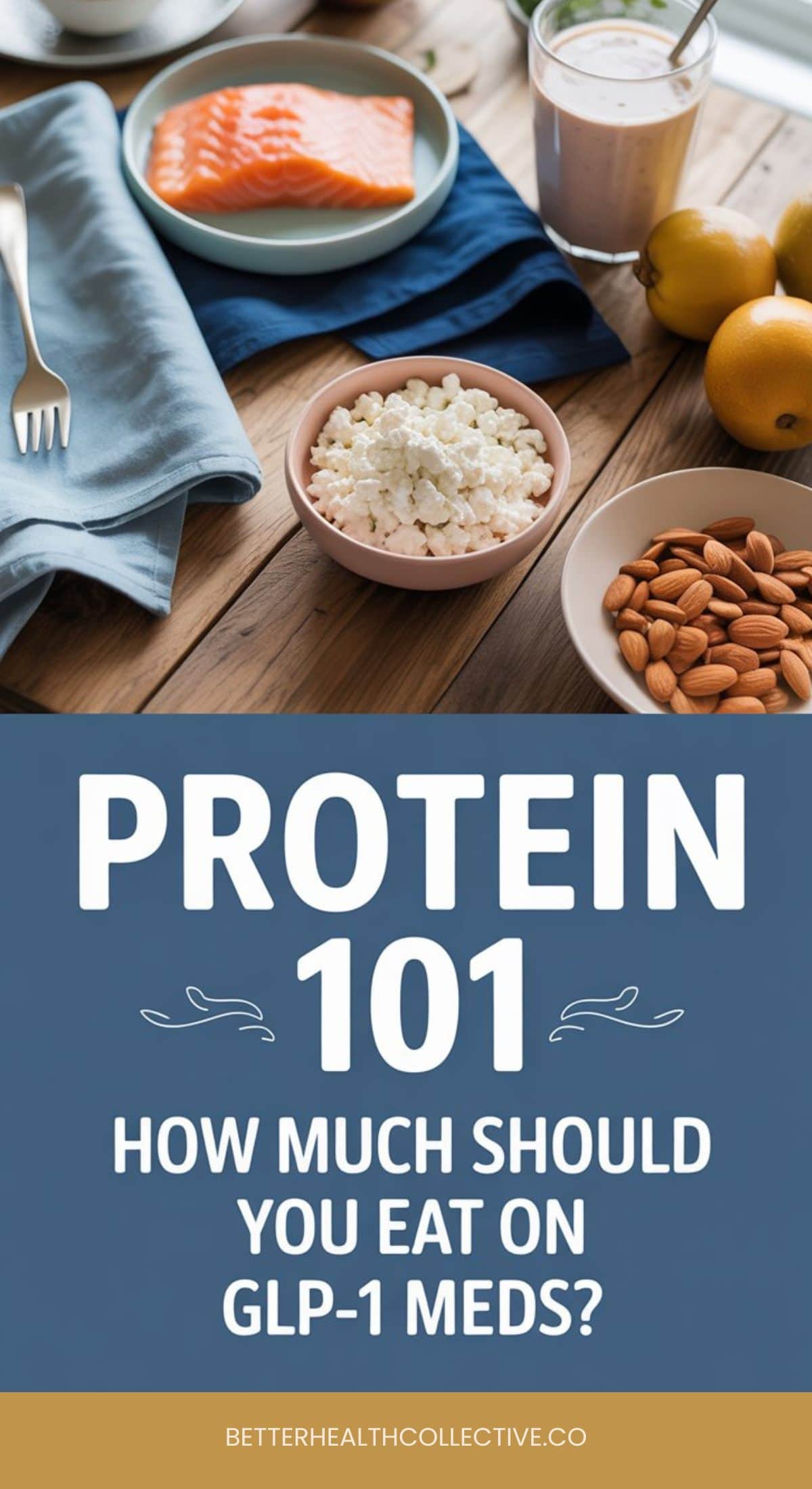
Not just for gym bros, smoothie influencers, or people who talk about macros for fun. Protein is essential for preserving muscle, keeping your metabolism firing, staying full, and supporting healthy, sustainable weight loss while using GLP-1 medications.
Let’s walk through why protein matters so much on Semaglutide, Wegovy (or any other GLP-1 medication), how much protein should you eat daily, and simple (real-world) ways to hit your daily goals — even when food isn’t sounding all that appealing.
Medical Disclaimer: This article is for educational purposes only and is not medical advice. Always consult your healthcare provider for personalized nutrition or medication guidance. Individual results vary.
Why Protein Is So Important When Taking GLP-1 Weight Loss Medications
Appetite drops, but protein needs don’t
Semaglutide medications decrease appetite and slow digestion — great for calorie reduction, yes. But lower appetite often means lower protein intake, and that can lead to unintentional muscle loss.
Muscle affects metabolism — big time
Muscle is metabolically active tissue. The more muscle you have, the more calories you burn at rest. When muscle mass drops:
- metabolism can slow down
- weight loss may stall
- maintaining weight becomes harder
- regain risk increases if medication is stopped
Prioritizing protein helps protect lean mass so you’re losing fat, not muscle, as the scale goes down.
Protein keeps you full longer
Even when hunger is low, protein helps with satiety and blood sugar stability — helpful if nausea makes carbs more tempting than balanced meals.
It burns more calories just to digest it
Protein has a higher thermic effect of food, meaning your body burns more energy breaking it down than it does with carbs or fats.
In short — protein is your best friend while losing weight on GLP-1s.
How Much Protein Do You Actually Need?
Protein needs vary by body size, age, and activity level — but here are general evidence-based ranges for how much protein should you eat daily:
Standard daily guideline
0.8–1.2g of protein per kilogram of body weight per day
Examples:
| Body Weight | Daily Protein Goal |
|---|---|
| 150 lbs (68 kg) | ~56–80g/day |
| 200 lbs (91 kg) | ~73–110g/day |
Many GLP-1 users do best on the higher end
Some medical and nutrition experts recommend 1.2–1.6+ g/kg, especially during weight loss or muscle maintenance phases. That often looks like:
👉 90–120g/day for most people
Not a mandate — just a helpful range many people aim for. Always adjust with your provider’s guidance, especially if you have kidney disease or specific medical conditions.
AUTHOR NOTE: My primary care doctor and registered dietician both recommended that I eat one (1) gram of protein per my ideal body weight. So if my ideal weight is 150 lbs, then I should try to get in 120 to 150 grams daily.
As someone who doesn’t like to eat a lot of meat, I REALLY struggled to get 100+ grams in each day, but I’ve found several proteins I love and now it seems easy. Thanks to the GLP-1 meds (Wegovy) and the increased protein in my diet, I’m full for hours longer and don’t seem to have all the crazy sugar and carb cravings that I used to.
I’m not telling you that you should follow this plan, just that recommended amount of protein can vary based on age, weight, activity levels and other factors so be sure to talk with your healthcare provider about what would be best for your unique situation.
The Best Sources of Protein for Semaglutide Users
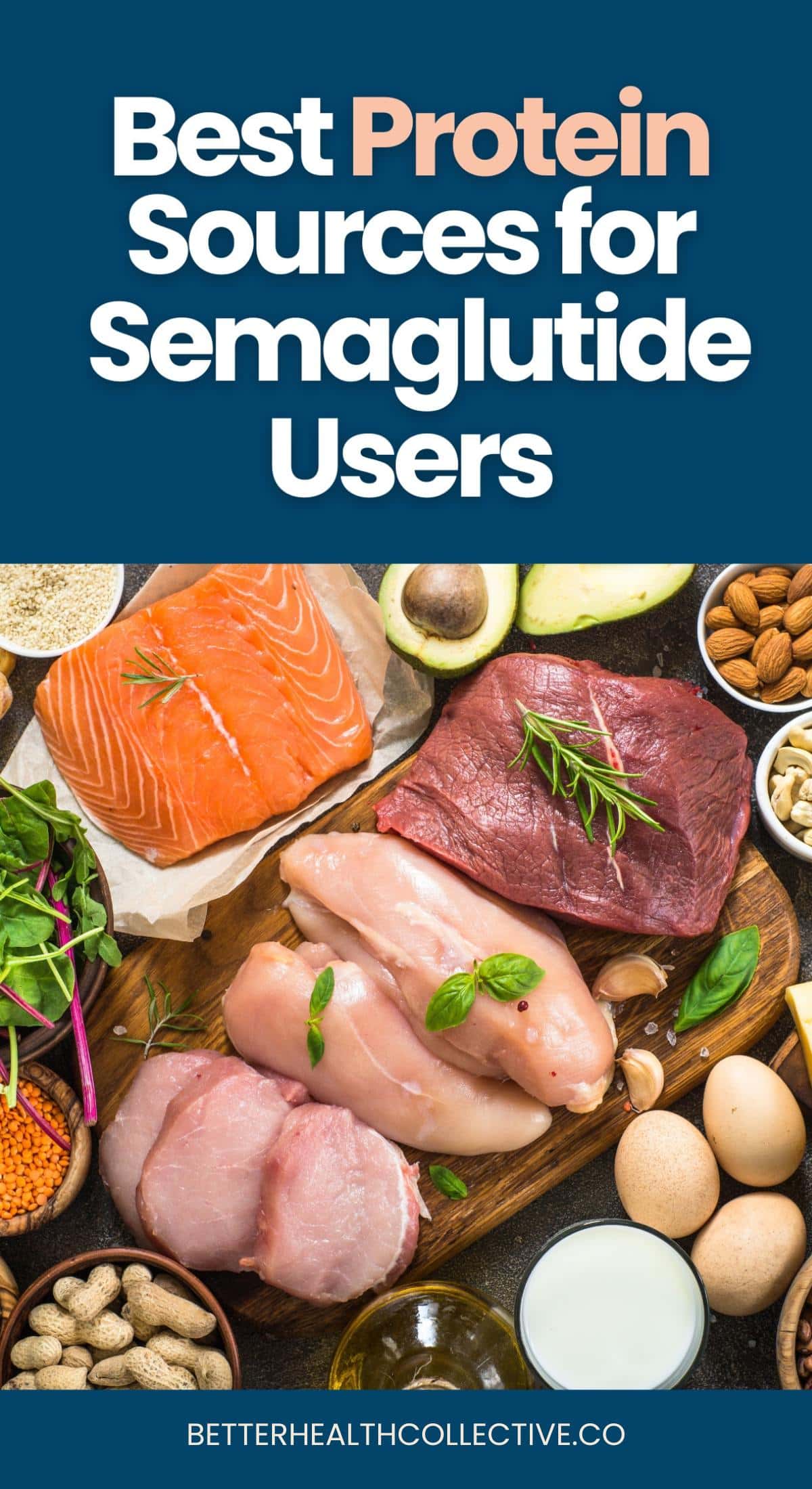
The great thing about protein is that there’s something for everyone, whether you’re a meat lover, vegetarian, or somewhere in between. Here are some ideas for high protein foods:
Lean Proteins
- Chicken breast, turkey, lean cuts of beef or pork, and fish like salmon or cod.
- Eggs and egg whites are also fantastic, versatile options.
Plant-Based Options
- Beans, lentils, chickpeas, quinoa, edamame, and tofu.
- These are excellent for vegetarians or anyone wanting to mix things up.
Dairy Products
- Greek yogurt, cottage cheese, and low-fat cheeses are protein-packed and easy to add to meals.
- For those who avoid dairy, plant-based milk with added protein (like pea or soy milk) can be a great alternative.
Snacks & Supplements
- Protein shakes, powders and bars are convenient for on-the-go nutrition. Look for options with minimal added sugar. A few popular protein powders are: Naked Pea Protein Powder, Vega and Orgain Organic (all are vegan/plant-based).
- Nuts, seeds, and nut butters offer protein along with healthy fats, making them a double-duty snack.
Tips to Boost Protein Intake Without Overeating
Start with a protein-forward breakfast
Sets the tone for the day and helps prevent energy crashes. A few ideas:
- Eggs + veggies
- Greek yogurt + berries
- Cottage cheese bowl
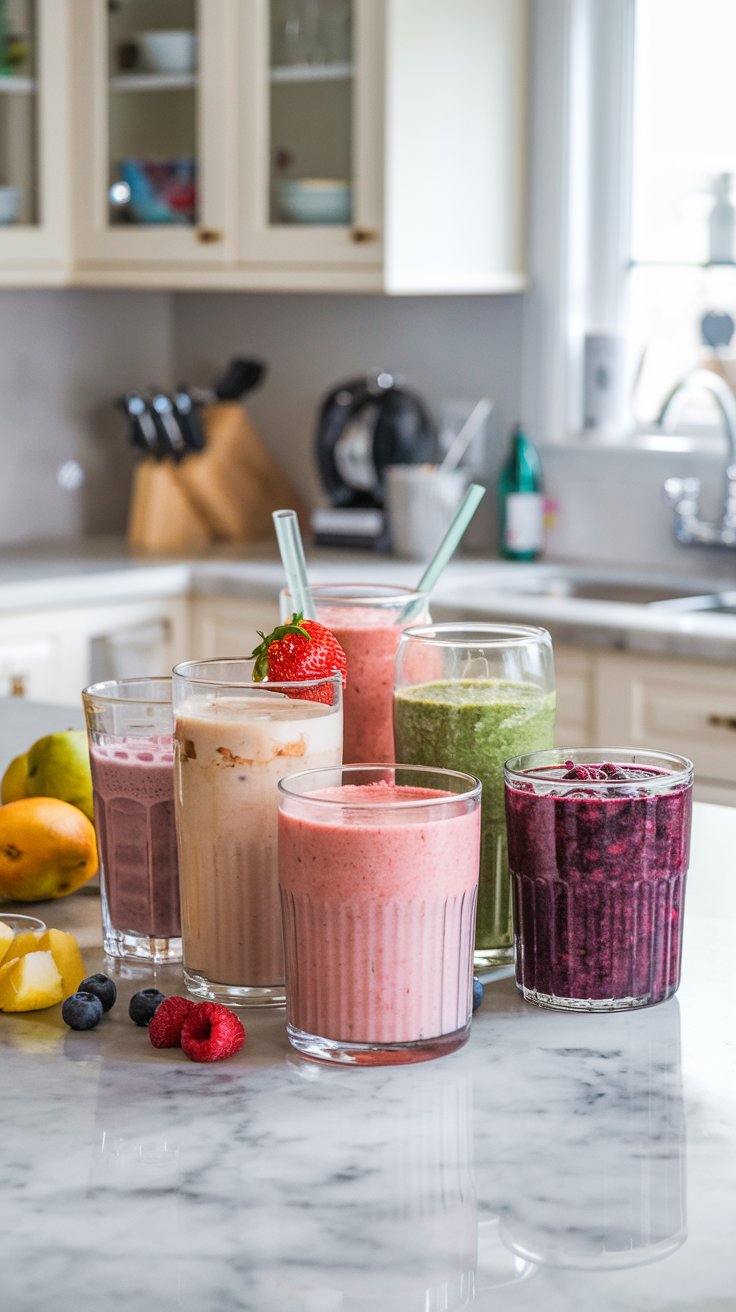
- Protein smoothie
Sneak it in
If you’re not feeling “meals,” think “add-ins.” Try:
- Protein powder in smoothies or oatmeal
- Collagen mixed into coffee
- Chickpeas/beans added to soups or salads
Pair for satisfaction
Protein + fiber = fullness that lasts. Examples:
- Chicken + quinoa + roasted vegetables
- Salmon + broccoli + brown rice
- Lentils + sweet potato + greens
Prep once, eat easily
When appetite is unpredictable, convenience wins. Do some meal prep each week and pre-prep:
- Hard-boiled eggs
- Rotisserie or grilled chicken
- Tuna packets
- Greek yogurt cups
- Protein bites or shakes
Tiny effort now = your future self thanking you later.
GLP-1 Protein Cheat List (Save This Section!)
Quick protein sources for low-appetite days:
- Greek yogurt or cottage cheese
- Eggs (any style)
- Protein shakes or smoothies
- Chicken breast or turkey slices
- Salmon, tuna, shrimp
- Tofu, tempeh, edamame
- Beans & lentils
- High-protein wraps or yogurts
- Fairlife milk or high-protein dairy alternatives
Mix, match, nibble — there’s no one perfect way.
Common Protein Myths (Debunked!)
“Eating too much protein will make me bulk up.”
Unless you’re hitting the gym with a bodybuilder’s workout routine, you’re not going to bulk up just from eating protein. It’s about preserving lean muscle, not building it like The Hulk.
“Plant-based proteins aren’t as good as animal proteins.”
While animal proteins are often considered “complete,” combining plant-based options (like rice and beans) gives you all the essential amino acids you need.
“Protein shakes and powders are only for bodybuilders.”
Protein shakes can be a quick, easy way to meet your needs, no biceps required.
FAQs About Protein and Semaglutide (GLP-1 Weight Loss Medication)
How do I know if I’m not getting enough protein?
Signs may include fatigue, weakness, muscle loss, hair shedding, brittle nails, or constant cravings — but testing with a dietitian or provider gives the best clarity.
Can I build muscle on GLP-1s?
Yes — many people do, especially with resistance training and adequate protein intake.
What if protein upsets my stomach on Ozempic or Wegovy?
Small, gentle portions may work better than heavy meals. Try spreading protein intake across the day instead of eating large servings at once. Soft, lean options like Greek yogurt, cottage cheese, eggs, tofu, or smoothies are often easier to digest. If nausea persists, consult your healthcare provider for personalized strategies.
What if I struggle to eat enough protein because my appetite is low?
Small protein-dense meals + shakes are your friend. Even 20–30g per meal adds up fast.
Is it possible to eat too much protein on GLP-1 medications?
Most people struggle with getting enough protein rather than too much, especially with reduced appetite. However, excessive protein intake isn’t necessary and may not be suitable for those with kidney disease or certain medical conditions. Moderation and balance matter — always check with your healthcare provider if you have medical considerations.
Do protein shakes count as real protein?
Yes — protein shakes are a great tool, especially on low-appetite days. They’re quick, easy, and often easier to tolerate than large meals. Look for shakes with 20–30g of protein, low added sugar, and a clean ingredient list. You can also blend in Greek yogurt, nut butter, or collagen to boost protein further.
Conclusion
Protein isn’t just a sidekick—it’s a star player in your Semaglutide journey. By making protein a priority, you’re giving your body the tools it needs to preserve muscle, boost metabolism, and keep you feeling full and energized.
The best part? Eating enough protein doesn’t have to be complicated. With so many delicious options, you can easily hit your goals while enjoying every bite. So grab that chicken breast or whip up a lentil curry—your body will thank you!
Resources + Expert Sources
- Protein & Metabolism – Healthline
- Protein Recommendations from Harvard Medical
- NIH/PubMed – Semaglutide & body composition study
- Recommendations on daily requirements from Cleveland Clinic
- Is 100 grams of protein daily safe?
Please note: This website contains affiliate links. As an Amazon Associate, we earn from qualifying purchases at no additional cost to you.