



Please note: This website contains affiliate links. As an Amazon Associate, we earn from qualifying purchases at no additional cost to you.
So, you’ve started semaglutide… and suddenly food feels confusing.
You’re not starving the way you used to be, but you’re also not totally sure what sounds good, what sits well, or how much you’re actually supposed to eat. One day you’re fine, the next day nausea makes even thinking about dinner feel like too much. If you’ve found yourself staring into the fridge wondering, “What does eating normally even look like now?” — you’re in very good company.
I’ve lost over 55 pounds so far on a GLP-1 medication, and one of the biggest lessons I’ve learned is this: food does not need to be complicated to be effective. In fact, the simpler and more planned my meals were, the better I felt — physically and mentally.
This beginner-friendly 7-day meal plan is designed to take the guesswork out of eating on Semaglutide. Whether you’re managing post-dose nausea, figuring out realistic portion sizes, or just trying to eat in a way that feels nourishing without overthinking every bite, this guide is here to support you — not overwhelm you.
No perfection required. Just steady, doable meals that work with your medication, not against it.
Prefer to listen to this article?
The Basics of a Semaglutide-Friendly Diet
Semaglutide (including Ozempic and Wegovy) does a powerful job of calming appetite and helping you feel full faster — but it doesn’t replace nutrition. The medication works best when you support it with foods that are easy to digest, nourishing, and realistic for everyday life.
Think of it this way: semaglutide sets the stage, but your food choices determine how smooth the journey feels. When you eat in a way that supports your body, you’ll have fewer side effects, more steady energy, and better long-term results.
This isn’t about eating “perfectly.” It’s about eating in a way that feels gentle, satisfying, and sustainable.
What to Focus On
A semaglutide-friendly way of eating comes down to a few simple principles:
Balance matters.
Prioritize protein, fiber, healthy fats, and complex carbohydrates. You don’t need huge portions — just enough of the right foods to keep your body supported.
Smaller meals go a long way.
Many people feel better eating smaller meals spaced throughout the day rather than forcing large portions. This can significantly reduce nausea, bloating, and that overly-full feeling that can linger for hours.
Hydration really does matter.
Staying hydrated helps with digestion, energy, and common side effects like constipation and headaches. If there’s one habit worth building early, it’s drinking enough fluids.
Key takeaways:
- Balance is everything: Focus on protein, fiber, healthy fats, and complex carbs.
- Small meals, big impact: Smaller, more frequent meals can help avoid nausea and manage appetite.
- Hydration is your BFF: Drink plenty of water and electrolytes to help your body stay on track and keep side effects like bloating or dehydration at bay.
- Remember: Semaglutide is the coach, but your diet is the team. Together, they’re unstoppable.
Daily Guidelines for Semaglutide Users
The goal here is simplicity — not rules you’ll stress about following.
Meal Timing
Aim for three balanced meals and one optional snack if you need it. Some days you’ll want all of them. Other days you won’t — and that’s okay. Let your hunger cues guide you instead of eating by the clock.
Portion Sizes
Semaglutide naturally reduces appetite, so portions will likely be smaller than what you’re used to — and that’s normal. Eat slowly, pause often, and stop when you feel comfortably satisfied.
One important reminder: don’t push past fullness. Overeating on semaglutide can feel intensely uncomfortable and last much longer than you expect. If your body says “that’s enough,” listen.
Hydration Tips
Water is your best friend here. Herbal teas, flavored sparkling water, and electrolyte drinks (especially if you’re light-headed) can also help. Try to sip consistently throughout the day rather than chugging all at once.
Sugary drinks and heavy juices often don’t sit well and can make nausea worse, so it’s usually best to skip them.
Calories (Don’t Panic About This)
In the first few weeks, don’t stress about counting calories. Many people simply aren’t very hungry early on, and that’s part of the adjustment process.
That said, if you’re feeling dizzy, weak, or light-headed — or if eating feels impossible — reach out to your healthcare provider right away. Undereating can happen on GLP-1 medications like Wegovy and Semaglutide, and support early on makes a big difference.
This phase is about learning what works for your body — not forcing numbers or expectations.
The 7-Day Meal Plan
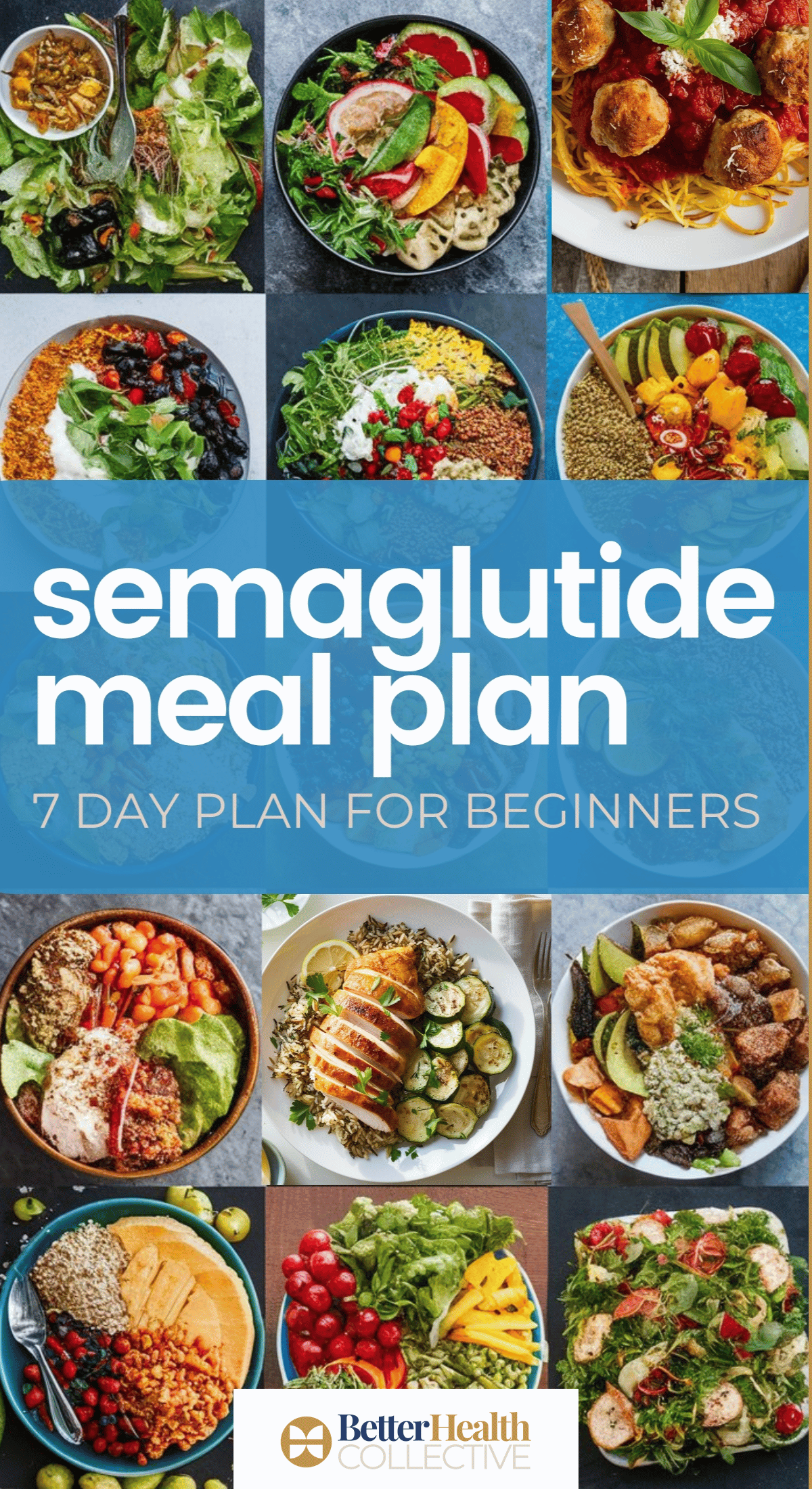
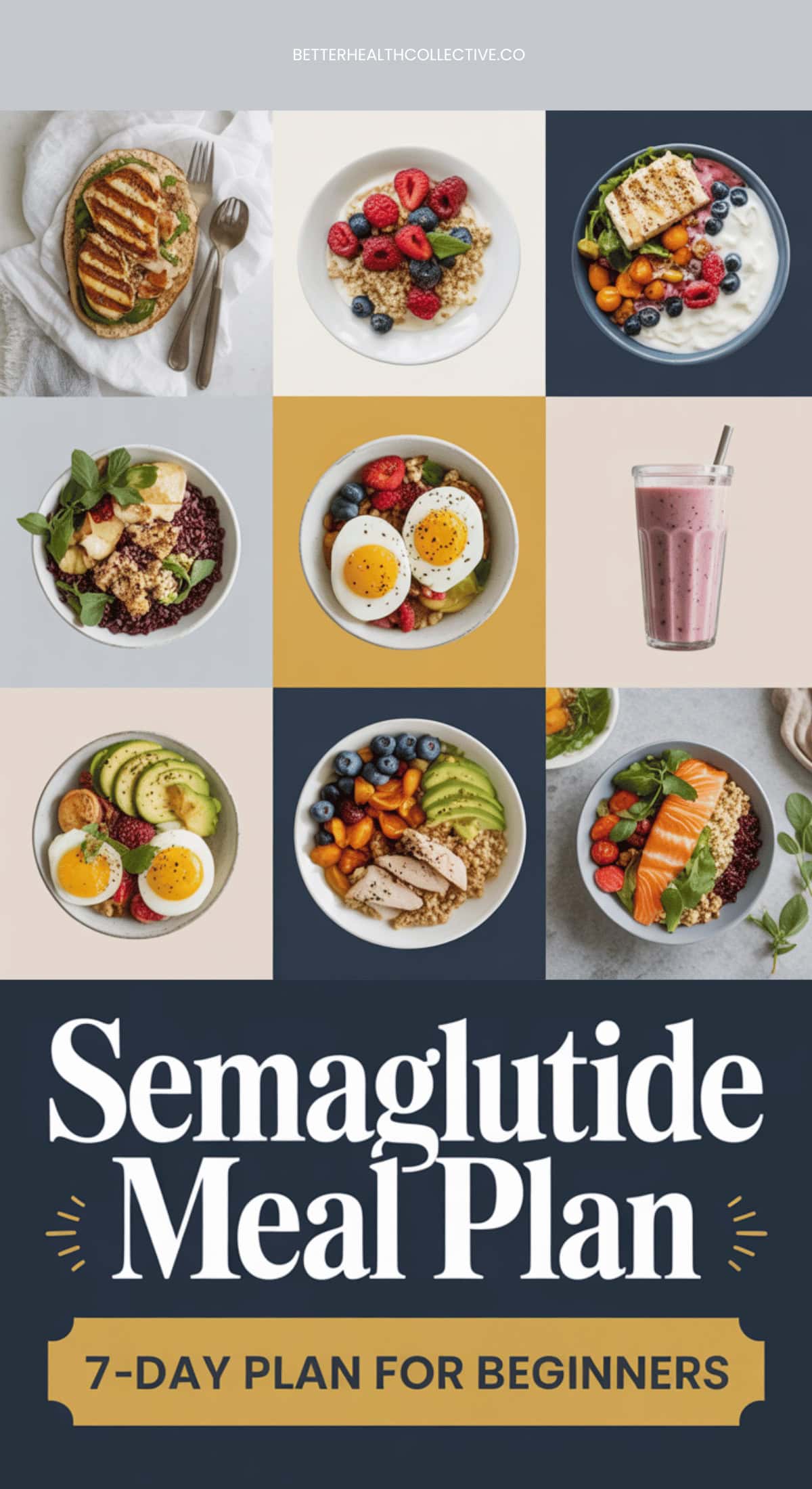
Here’s a day-by-day guide to eating well when you are taking Semaglutide, Ozempic, Wegovy – or any of the other GLP-1 medications.
Our goal is to find meals that are simple to prepare, easy on the stomach, and designed to keep you energized and satisfied.
Day 1: Easy and Nourishing
- Breakfast: Scrambled eggs with spinach and a slice of whole-grain toast.
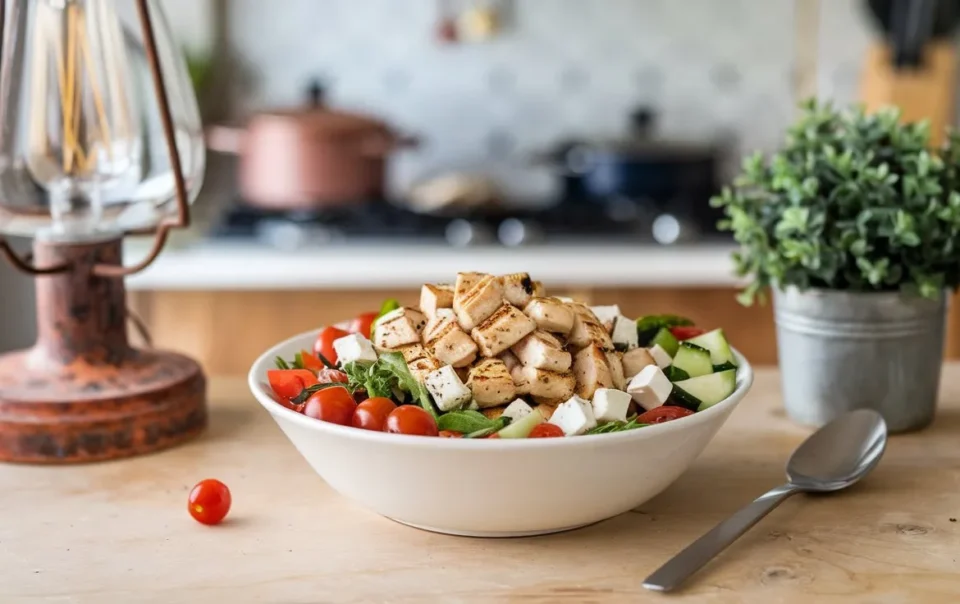
- Lunch: Grilled chicken salad with mixed greens, cucumber, and olive oil dressing.
- Dinner: Baked salmon, steamed broccoli, and quinoa.
- Snack: Greek yogurt with a drizzle of honey.
Why it works: Lean proteins and fiber help you feel full, while healthy fats and carbs provide energy without overloading your system.
Day 2: Gentle Flavors
- Breakfast: Oatmeal with almond butter and sliced banana.
- Lunch: Turkey and avocado wrap in a whole-grain tortilla.
- Dinner: Lemon herb chicken, roasted zucchini, and wild rice.
- Snack: Carrot sticks with hummus.
Why it works: Whole grains stabilize blood sugar, and the banana helps satisfy a sweet tooth naturally.
Day 3: Fresh and Filling
- Breakfast: Smoothie with almond milk, frozen berries, spinach, and protein powder.
- Lunch: Quinoa bowl with black beans, avocado, and salsa.
- Dinner: Grilled shrimp, asparagus, and mashed sweet potatoes.
- Snack: Handful of almonds.
Why it works: The smoothie is easy on the stomach, and the quinoa bowl is fiber-packed for lasting fullness.
Day 4: Light and Balanced
- Breakfast: Cottage cheese with fresh pineapple chunks or blueberries.
- Lunch: Spinach salad with boiled eggs, cherry tomatoes, and balsamic vinegar.
- Dinner: Turkey meatballs and spaghetti squash and marinara.
- Snack: Rice cakes with almond butter.
Why we like this meal plan: Cottage cheese is packed with protein and keeps you full for hours – it’s a great choice in the morning. As for the turkey meatball recipe, it is just delicious comfort food.
Day 5: Comforting Yet Healthy
- Breakfast: Greek yogurt with granola and sliced strawberries.
- Lunch: Chicken and vegetable soup with a small whole-grain roll.
- Dinner: Grilled cod, green beans, and roasted potatoes.
- Snack: Sliced apple with peanut butter.
Why it works: The soup is hydrating and nutrient-dense, perfect for a lighter appetite day. We like this meal plan on the day after taking the Semaglutide shot.
Day 6: Simple and Nutritious
- Breakfast: Boiled eggs with a side of avocado and a slice of rye toast.
- Lunch: Lentil soup with a side of mixed greens.
- Dinner: Grilled turkey burger (no bun), roasted Brussels sprouts, and brown rice.
- Snack: A handful of trail mix.
Why it works: Lentils are fiber-packed, and Brussels sprouts offer a boost of digestion-friendly nutrients.
Day 7: Gentle Reset
- Breakfast: Smoothie with Greek yogurt, spinach, frozen mango, and chia seeds.
- Lunch: Tuna salad with mixed greens and a light vinaigrette.
- Dinner: Baked chicken breast, steamed carrots, and quinoa.
- Snack: Celery sticks with cream cheese.
Why it works: Mango adds a refreshing sweetness to the smoothie, while the tuna salad is light yet satisfying.
Semaglutide Meal Plan at a Glance…
| Day | Breakfast | Lunch | Dinner | Snack |
|---|---|---|---|---|
| Day 1 | Scrambled eggs with spinach, whole-grain toast | Grilled chicken salad with mixed greens, cucumber, and olive oil dressing | Baked salmon, steamed broccoli, quinoa | Greek yogurt with a drizzle of honey |
| Day 2 | Oatmeal with almond butter and sliced banana | Turkey and avocado wrap in a whole-grain tortilla | Lemon herb chicken, roasted zucchini, wild rice | Carrot sticks with hummus |
| Day 3 | Smoothie with almond milk, berries, spinach, and protein powder | Quinoa bowl with black beans, avocado, and salsa | Grilled shrimp, asparagus, mashed sweet potatoes | Handful of almonds |
| Day 4 | Cottage cheese with fresh pineapple chunks | Spinach salad with boiled eggs, cherry tomatoes, and balsamic vinegar | Turkey meatballs, spaghetti squash, marinara sauce | Rice cakes with almond butter |
| Day 5 | Greek yogurt with granola and sliced strawberries | Chicken and vegetable soup with a whole-grain roll | Grilled cod, green beans, roasted potatoes | Sliced apple with peanut butter |
| Day 6 | Boiled eggs with avocado and rye toast | Lentil soup with a side of mixed greens | Grilled turkey burger (no bun), roasted Brussels sprouts, brown rice | Handful of trail mix |
| Day 7 | Smoothie with Greek yogurt, spinach, mango, and chia seeds | Tuna salad with mixed greens, light vinaigrette | Baked chicken breast, steamed carrots, quinoa | Celery sticks with cream cheese |
Tips for Success with the Semaglutide Meal Plan
- Prep ahead when you can (future you will be grateful). Batch-cooking simple proteins like chicken, turkey, eggs, or lentils makes everything easier on low-energy days — especially the day or two after your injection. Even having one or two items prepped in the fridge can prevent last-minute food stress.
- Let fullness be your guide, not the plate. Semaglutide changes your hunger cues, and that’s the point. If you feel comfortably full, stop eating — even if there’s food left. Forcing yourself to “finish” can lead to nausea, bloating, or that uncomfortable too-full feeling that lasts for hours.
- Keep portions flexible (your appetite will vary). Some days you’ll eat more, some days much less. Both are normal. Trust that your body will even things out over time. Focus on protein first, then eat what feels good from there.
- Mix, match, and simplify as needed. This plan is a guide, not a rulebook. Swap meals, repeat favorites, or replace a meal with a protein shake or soup if that feels better on your stomach. Consistency matters more than variety.
- Hydration counts as part of your “meal plan.” Dehydration can make nausea, fatigue, and constipation worse. Sip water throughout the day and consider electrolytes if you’re feeling sluggish, light-headed, or headachy.
- Progress > perfection. You don’t need to eat “clean,” fancy, or Instagram-worthy meals to succeed on semaglutide. Simple, nourishing, repeatable choices will take you much farther than trying to do everything perfectly.
More High Protein Lunch Recipes for Your Semaglutide Diet
FAQs About Semaglutide Meal Plans
Can I adjust portion sizes while taking semaglutide?
Yes — and you should. Semaglutide is designed to reduce appetite, so it’s completely normal to feel satisfied with much smaller portions than before. Start with less than you think you need, eat slowly, and check in with your body as you go. If you’re comfortably full, that’s your cue to stop — not to “clean the plate.”
What should I do if I feel nauseous after eating?
Nausea is common, especially in the beginning or after dose increases. When this happens, stick to bland, gentle foods like crackers, toast, rice, bananas, yogurt, or broth. Avoid greasy, spicy, or very rich meals until things settle. Eating smaller portions and spacing meals out can also help.
If nausea is persistent, severe, or interfering with daily life, contact your healthcare provider right away.
Do I need to avoid carbs on semaglutide?
Not at all. Carbohydrates aren’t the enemy — quality matters. Focus on complex, fiber-rich carbs like quinoa, oats, sweet potatoes, beans, and whole grains. These provide steady energy, support digestion, and help prevent blood sugar crashes. Extremely refined carbs and sugary foods, on the other hand, may not sit well and can worsen nausea.
Can I skip meals if I’m not hungry?
Occasionally skipping a meal is okay, especially if you truly don’t feel hungry. That said, consistently skipping meals can lead to low energy, nausea, or dizziness. Even if your appetite is low, aim for small, nourishing meals or protein-forward snacks to keep your body fueled and supported.
What if I’m still hungry on semaglutide?
This is more common than people realize — especially one or two days before your next injection, when the medication may be wearing off a bit. If hunger shows up, it doesn’t mean the medication isn’t working. Try increasing protein, adding fiber-rich foods, staying well hydrated, and eating balanced meals instead of grazing. If hunger feels intense or constant, talk with your doctor about whether a dosage adjustment or timing change makes sense for you.
Here are some more tips that should help if you’re still feeling hungry (or even a little hangry)!
Final Thoughts: Keep It Simple, Gentle, and Sustainable
Starting semaglutide can feel like a big shift — not just in how much you eat, but in how you think about food. The goal isn’t to eat perfectly or follow a rigid plan. It’s to nourish your body in a way that supports the medication, minimizes side effects, and helps you feel steady, energized, and confident as you move forward.
Simple meals, smaller portions, enough protein, and good hydration go a long way. Some days you’ll feel hungry, some days you won’t — and both are normal. What matters most is listening to your body, adjusting as you go, and giving yourself permission to learn without judgment.
Semaglutide is a powerful tool, but the habits you’re building alongside it are what make the progress last. Focus on consistency over perfection, fuel your body with kindness, and remember: you don’t have to have this all figured out at once. One meal, one day, one choice at a time is more than enough.
Other Semaglutide / GLP-1 Articles & Tips You Might Like:
- How Much Protein Should You Eat on Your Semaglutide Diet?
- Best Protein Food Sources for People Using GLP-1 Medications
- High Protein Lunch Recipes for Your Semaglutide Diet
- How to Keep Weight Off After Semaglutide | 7 Simple Tips
Please note: This website contains affiliate links. As an Amazon Associate, we earn from qualifying purchases at no additional cost to you.