
Please note: This website contains affiliate links. As an Amazon Associate, we earn from qualifying purchases at no additional cost to you.
If you’re trying to lose weight—especially on a lower-calorie diet or a GLP-1 medication—your vitamin needs actually increase, not decrease. Wild, right?
Here’s the truth most people don’t realize:
Your body relies on a steady stream of micronutrients (vitamins + minerals) to run your metabolism, regulate hunger hormones, maintain muscle, and keep your energy levels up. When those nutrients are missing, the weight loss process becomes slower, harder, and way more frustrating than it needs to be.
In this guide, we’re breaking down the vitamins that matter most for fat loss, metabolism, and overall wellness—plus the foods and supplements that help you get enough of them.
What You’ll Learn
- Why certain vitamins are critical during weight loss
- How nutrient deficiencies can stall your progress
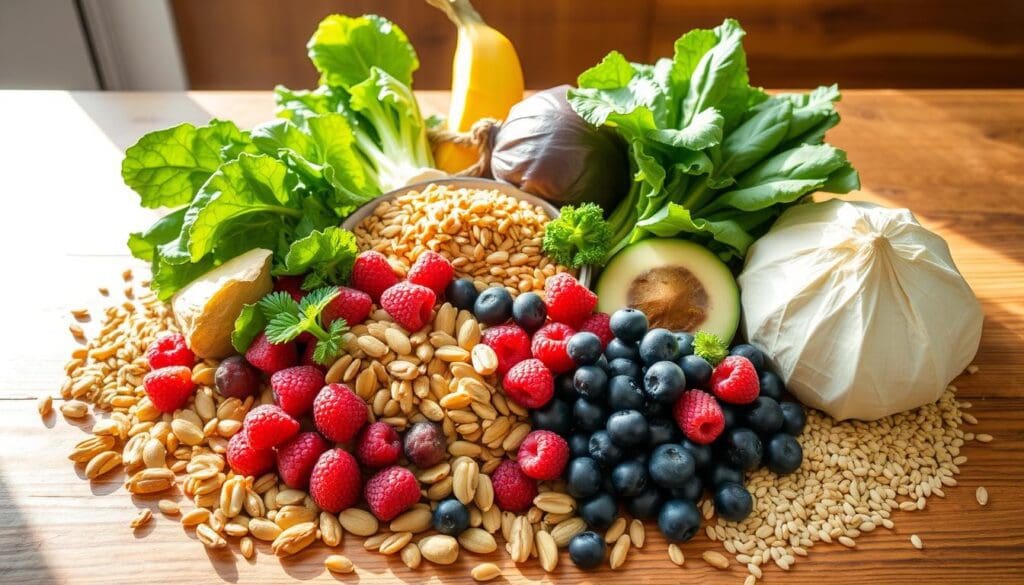
- The top foods that naturally boost your micronutrient intake
- Smart supplement strategies (including what NOT to do)
- Which vitamins support metabolism, fat loss, energy, and satiety
Understanding the Role of Micronutrients in Weight Management
Weight loss is not just about calories in and calories out. It’s also about what your body can do with the calories you give it.
Micronutrients support:
- Hormone regulation
- Blood sugar control
- Muscle repair
- Appetite regulation
- Metabolism and fat-burning pathways
If you’re low on certain vitamins, your metabolism can slow down, cravings can increase, and your energy may tank. You’re not “failing”—your body is asking for what it needs.
The Science Behind Vitamins and Weight Loss
B Vitamins
These are the engines behind your metabolism. They help convert food into usable energy and support fat and carbohydrate breakdown.
Low B vitamins = sluggish metabolism, low energy, carb cravings.
Vitamin D
Vitamin D supports muscle function, immune health, insulin sensitivity, and mood. Low levels are strongly linked to weight gain and difficulty losing weight.
If you live in a cold climate or spend most of your day indoors, there’s a good chance you’re low.
Magnesium
This mineral affects sleep quality, blood sugar regulation, stress, muscle recovery, and digestion.
Low magnesium = poor sleep + higher cravings + slower metabolism.
Vitamin C
Vitamin C helps with:
- Collagen production
- Immune health
- Iron absorption
- Appetite regulation through serotonin pathways
Low vitamin C has been linked to increased appetite and reduced fat oxidation.
Zinc
Zinc supports insulin function, hunger hormones, and thyroid health. Deficiencies can slow metabolism and interfere with fat loss.
Why Nutrient Deficiencies Can Stall Weight Loss
Even a mild vitamin deficiency can affect:
- Energy output
- Fat oxidation
- Hunger cues
- Metabolic rate
- Recovery
- Mood and motivation
If you’re dieting, reducing portion sizes, eating fewer food groups, or taking a GLP-1, you might unintentionally consume fewer nutrients.
Your body notices long before the scale does.
Essential Vitamins During Weight Loss
Below are the vitamins and minerals that matter MOST during a fat-loss phase.
B Vitamins
Support metabolism, energy production, and fat distribution.
Best sources:
- Eggs
- Greek yogurt
- Chicken
- Salmon
- Leafy greens
- Whole grains
A high-quality B-complex supplement can also help:

Garden of Life Vitamin B Complex
Shop on Amazon
$16.79
60 Vegan Capsules, High Potency Vitamins for Energy & Metabolism with B6, Folate & B12 as Methylcobalamin Plus Probiotics
We earn a commission if you make a purchase, at no additional cost to you.
12/08/2025 03:10 pm GMT

Vitamin D
Supports muscle, immunity, insulin sensitivity, and appetite.
Best food sources:
- Salmon
- Sardines
- Fortified dairy
- Egg yolks
A quality supplement is often needed: We like Sports Research Vitamin D3 5000 IU but you can view all the bestsellers on Amazon.
Vitamin C
Helps regulate hunger, reduces inflammation, and improves recovery.
Best sources:
- Citrus fruits
- Berries
- Kiwi
- Bell peppers
Magnesium
Supports sleep, digestion, stress regulation, and metabolic health.
Best sources:
- Almonds
- Pumpkin seeds
- Spinach
- Avocado
There are Magnesium supplements that are in pill form, but this is a nice drink mix that you could even combine with your electrolyte drink….

Natural Vitality Magnesium Citrate Supplement
Shop on Amazon
$19.59
Natural Vitality Calm, Magnesium Citrate Supplement, Anti-Stress Drink Mix Powder, Gluten Free, Vegan, & Non-GMO, Raspberry Lemon, 16 oz
We earn a commission if you make a purchase, at no additional cost to you.
12/08/2025 03:13 pm GMT
Zinc
Improves insulin sensitivity, immune function, and hormone balance.
Best sources:
- Oysters
- Pumpkin seeds
- Beef
- Chickpeas
See the top selling Zinc supplement options on Amazon.
Optimal Food Sources for Weight Loss-Supporting Vitamins
Natural Sources of B Vitamins
- Eggs
- Lean meats
- Dairy
- Nuts and seeds
- Leafy greens
These foods help convert what you eat into pure energy, which is key when calories are lower.
Vitamin-Rich Foods for Fat Loss
- Salmon (Vitamin D, B12, Omega-3s)
- Citrus (Vitamin C)
- Bell peppers
- Tomatoes
These foods support fat oxidation and help control cravings.
Nutrient-Dense Superfoods
- Berries (fiber + antioxidants)
- Spinach (magnesium + folate)
- Avocado (healthy fats + potassium)
- Sweet potatoes (Vitamin C + fiber)
These add volume and nutrition without excess calories.
Supplementation Strategies for Weight Loss Success
Supplements are helpful when:
- Appetite is low
- You’re eating fewer calories
- Your diet lacks variety
- You’re experiencing fatigue or stalls
Smart Choices Include:
- B-complex
- Vitamin D3
- Omega-3s
- Magnesium
- Zinc
- A high-quality multivitamin
IV Vitamin Therapy
Some people benefit from occasional IV drips (B-complex, magnesium, vitamin C), especially if:
- They struggle with absorption
- They’re chronically low in nutrients
- They’re experiencing fatigue
What to Avoid
Some supplements can hinder weight loss:
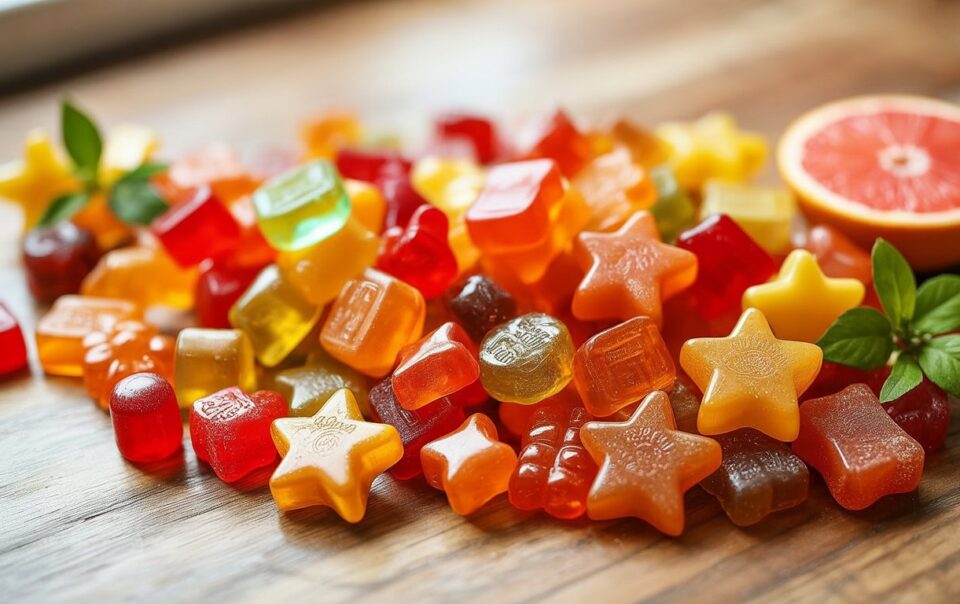
- Gummy vitamins with hidden sugars
- Mega-dosing supplements without medical guidance
- Weight-loss “detox kits”
Always check with your provider before adding new supplements.
| Vitamin/Mineral | Benefits for Weight Loss |
|---|---|
| B Vitamins (B1, B2, B6, B9) | Improved metabolism, energy production, and fat distribution |
| Vitamin D | Muscle growth and repair, bone health, immune function |
| Vitamin C | Collagen production, immune support, appetite regulation |
| Magnesium | Enhanced sleep, blood sugar management, metabolic health |
| Zinc | Improved insulin secretion and sensitivity |
By focusing on these essential vitamins, you can boost your nutrient levels. This supports your metabolism and improves your health and well-being during weight loss.
Optimal Food Sources for Weight-Loss-Supporting Vitamins
When you’re trying to lose weight, your body isn’t just burning calories—it’s relying on a steady supply of nutrients to keep your metabolism, hormones, and energy operating smoothly. The good news? You don’t need exotic supplements or pricey powders to get the vitamins you need. Many of the most powerful metabolism-supporting nutrients come from everyday foods you can grab at the grocery store.
Let’s walk through the top vitamin-rich foods that naturally support fat loss, blood sugar control, and steady energy.
Natural Sources of B Vitamins
If metabolism had a “start” button, B vitamins would be the ones pushing it. They help your body turn carbs, protein, and fat into fuel—something that’s especially important when your calorie intake drops.
Some of the best whole-food sources include:
- Eggs
- Lean meats like chicken and turkey
- Salmon and tuna
- Dairy products such as Greek yogurt
- Nuts and seeds
- Leafy greens like spinach and kale
- Beans and lentils
What all of these foods have in common: they’re high in B vitamins and naturally satisfying, making them perfect for supporting steady energy during weight loss.
Vitamin-Rich Foods for Fat Loss
Certain vitamins play a direct role in fat metabolism, appetite regulation, and muscle maintenance. Incorporating the right foods can help keep your metabolism humming and your hunger under control.
Key foods to include:
Fatty fish (salmon, mackerel, sardines)
Rich in vitamin D and omega-3s, these support muscle preservation and inflammation reduction—two things that matter for sustainable weight loss.
Citrus fruits (oranges, grapefruit, lemons)
Loaded with vitamin C, which supports collagen production, iron absorption, and appetite regulation.
Bell peppers and tomatoes
Both are high in vitamin C and antioxidants, helping reduce inflammation and support fat metabolism.
Egg yolks
A natural source of both vitamin D and B vitamins.
Nutrient-Dense Superfoods
“Superfood” might be a marketing buzzword, but these nutrient-packed foods really do bring extra value during weight loss—especially for micronutrients that support gut health, satiety, and metabolism.
Some of the best choices include:
Berries
Low in calories, high in fiber, rich in vitamin C and antioxidants. They help regulate blood sugar and keep cravings at bay.
Leafy greens
Spinach, Swiss chard, kale, and arugula are packed with magnesium, folate, vitamin K, and vitamin C. They add bulk to meals without adding many calories.
Avocado
A great source of magnesium, potassium, and healthy fats that keep you full longer.
Sweet potatoes
Rich in vitamin C, beta carotene, and fiber—supporting energy, immunity, and gut health.
Pumpkin seeds
Full of magnesium and zinc, two minerals that support metabolism and appetite regulation.
The Big Picture
No single food will make or break your weight-loss journey, but consistently eating nutrient-dense foods will unquestionably make it easier. The more vitamins and minerals your body has access to, the better it can:
- Regulate hunger
- Maintain muscle
- Burn fat efficiently
- Support stable blood sugar
- Keep your metabolism strong
A balanced, vitamin-rich diet doesn’t just help you lose weight—it helps you feel good while you’re doing it.
Supplementation Strategies for Weight Loss Success
Even with the most balanced diet, it can be challenging to get every vitamin and mineral your body needs—especially when you’re eating less, have a reduced appetite from GLP-1 medications, or tend to rotate through the same few meals. That’s where supplements can fill the gaps and support your metabolism, energy, and overall wellness. But here’s the part many people overlook: supplements should enhance your nutrition, not replace it.
Think of supplements as your nutritional safety net, not the entire routine.
When Supplements Make Sense
The best supplement plans focus on filling in true deficiencies or supporting areas where your diet naturally falls short. Many people benefit from targeted supplementation when they notice:
- Low energy or sluggish metabolism
- Difficulty getting enough protein or micronutrients
- Poor sleep
- Muscle cramps or headaches
- Plateaus or frequent fatigue during weight loss
A few clinically backed supplements can make a noticeable difference when used thoughtfully.
Intravenous (IV) Vitamin Therapy
IV hydration and vitamin infusions have become increasingly popular—and with good reason. This method delivers vitamins and minerals directly into the bloodstream, bypassing digestion. For people with absorption issues, chronic deficiencies, or high stress levels, IV therapy can provide a rapid boost.
Common nutrients in IV drips include:
- B-complex vitamins
- Vitamin C
- Vitamin D
- Magnesium
- Zinc
These nutrients support metabolism, immune health, energy production, and fat oxidation—all essential during weight loss.
While IV therapy is not necessary for everyone, many people report improved energy, reduced cravings, and better recovery after sessions.
Key Supplements That Support Weight Loss
Below are the micronutrients most tied to fat loss, metabolism, and overall well-being.
B-Complex Vitamins
Help convert food into usable energy and support healthy metabolism pathways.
Vitamin C
A potent antioxidant that reduces inflammation, supports immunity, and plays a role in appetite regulation.
Vitamin D
Helps regulate hunger hormones, supports muscle maintenance, and is commonly low in individuals with higher body weight.
Magnesium
Required for hundreds of metabolic reactions, including muscle relaxation, sleep quality, and blood sugar regulation.
Zinc
Essential for enzymes involved in insulin function, hunger cues, and thyroid health.
A Word of Caution
More supplements do not equal faster weight loss. Over-supplementing can actually backfire—causing digestive issues, stress on the liver, or even weight fluctuations.
Always talk with your doctor before adding new supplements, especially if you’re on GLP-1 medications or other prescriptions. They can help you pinpoint the nutrients you truly need and avoid the ones you don’t.
Choosing supplements intentionally—not impulsively—is the key to long-term success.
Weight Loss Vitamin Guide: Final Thoughts
Vitamins and minerals might be small, but their impact on your weight loss journey is massive. If you want better energy, steadier hunger levels, fewer stalls, and a healthier metabolism, micronutrients matter just as much as protein, steps, or workouts.
What to focus on:
- Eat a variety of nutrient-dense foods
- Support your body with smart supplementation
- Prioritize vitamin-rich meals to keep metabolism strong
- Check your vitamin D, magnesium, and B levels if weight loss feels harder than it should
Healthy weight loss should make you feel stronger—not depleted. When your body has the nutrients it needs, progress becomes easier, steadier, and more sustainable.
Source Links
- Requirements for essential micronutrients during caloric restriction and fasting – https://pmc.ncbi.nlm.nih.gov/articles/PMC10936542/
- Vitamins & Minerals That Help With Weight Loss: What The Science Says – Nutrisense Journal – https://www.nutrisense.io/blog/vitamins-that-help-with-weight-loss?srsltid=AfmBOooKwvlVAIKoXzFChJI1dVAGLOrCLRYkDqDgLVhUZ_1yPO8JdUtZ
- Can I Use Vitamins for Weight Loss? – https://www.healthline.com/health/vitamins-for-weight-loss
- Diet Quality and Micronutrient Intake among Long-Term Weight Loss Maintainers – https://pmc.ncbi.nlm.nih.gov/articles/PMC6950482/
- Vitamins and Supplements for Weight Loss – https://www.aarp.org/health/healthy-living/info-2024/vitamins-supplements-weight-loss.html
- What to know before you buy weight-loss supplements – https://www.mayoclinic.org/healthy-lifestyle/weight-loss/in-depth/weight-loss/art-20046409
- Office of Dietary Supplements – Dietary Supplements for Weight Loss – https://ods.od.nih.gov/factsheets/WeightLoss-HealthProfessional/
- Dietary Supplements for Weight Management: A Narrative Review of Safety and Metabolic Health Benefits – https://pmc.ncbi.nlm.nih.gov/articles/PMC9099655/
- Effects of dietary vitamins on obesity-related metabolic parameters – https://pmc.ncbi.nlm.nih.gov/articles/PMC10131053/
Please note: This website contains affiliate links. As an Amazon Associate, we earn from qualifying purchases at no additional cost to you.