
Please note: This website contains affiliate links. As an Amazon Associate, we earn from qualifying purchases at no additional cost to you.
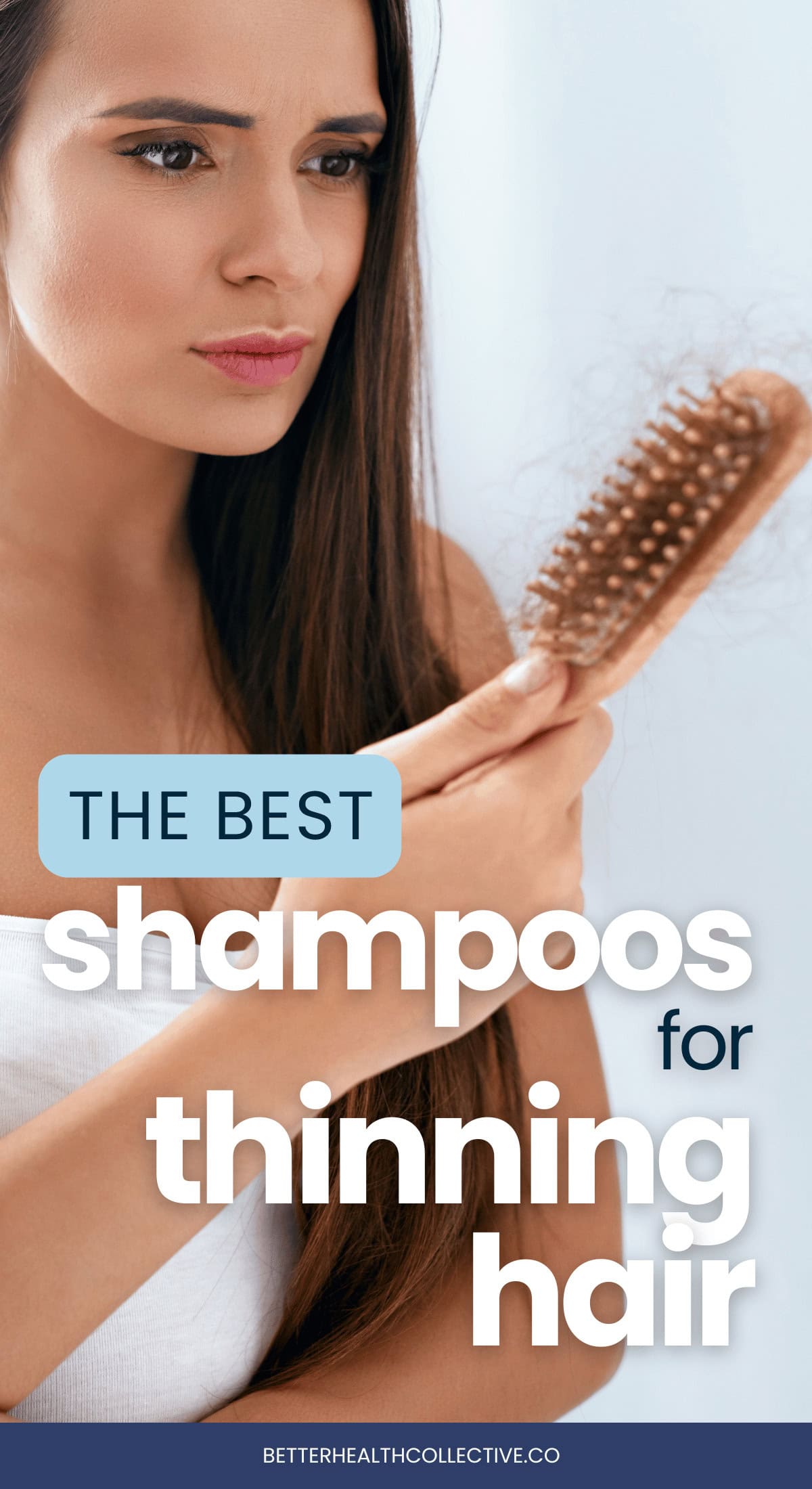
If you’ve found yourself staring at your hairbrush, your shower drain, or your widening part line thinking, “Okay… this feels new,” you’re not alone.
Hair thinning is incredibly common for women — especially after 35 — and it can sneak up on you quietly. One day your ponytail feels smaller. Your volume just isn’t there anymore. And suddenly, hair washing feels emotional instead of routine.
Before we dive into shampoos, let’s get one thing clear:
Thinning hair does not mean you’re doing something wrong — and it does not mean it’s permanent.
For many women, thinning hair is a response to hormonal changes, stress, aging, nutrient shifts, or weight loss (including GLP-1 medications). The good news? With the right scalp care, nutrition, and expectations, many women see improvement over time.
This guide will walk you through:
- Why women’s hair thins
- What shampoo can and cannot do
- Organic and lifestyle ways to support regrowth
- The best shampoos for thinning hair
- The best companion products for thinning hair or hair loss
Thinning Hair vs Hair Loss: What’s the Difference?
This distinction matters — a lot.
Hair thinning usually means:
- Diffuse shedding across the scalp
- Reduced density
- Slower regrowth
- A thinner ponytail or wider part
Hair loss typically refers to:
- Patchy loss
- Receding hairlines
- Bald spots
- Certain medical conditions (like alopecia)
Most women experiencing changes during aging, stress, or weight loss are dealing with thinning, not permanent hair loss — which means the follicles are still alive and capable of regrowth.
Why Women’s Hair Thins (The Real Reasons)
Age & Hormonal Shifts
As estrogen levels decline (hello perimenopause and menopause), the hair growth cycle shortens. Hair spends less time growing and more time resting — which leads to shedding and slower regrowth.
Stress & Cortisol
Physical stress (illness, surgery, rapid weight loss) and emotional stress can push hair into a shedding phase called telogen effluvium. This is one of the most common — and reversible — causes of thinning.
Weight Loss & GLP-1 Medications
This one comes up a lot.
GLP-1 medications don’t directly cause hair loss — but rapid weight loss can. When calorie intake drops and the body reallocates resources, hair growth is often temporarily deprioritized.
This type of shedding is usually temporary, especially when nutrition is optimized.
Nutrient Deficiencies
Hair is sensitive to shortages of:
- Protein
- Iron
- Zinc
- B-vitamins
- Biotin
Even “healthy” weight loss can unintentionally create gaps here.
Can Shampoo Actually Help Thinning Hair?
Yes — but with realistic expectations.
What shampoo can do:
- Improve scalp health
- Reduce breakage
- Support follicles
- Create fuller-looking hair
What shampoo cannot do:
- Instantly regrow hair
- Override hormonal changes
- Replace nutrition or time
Think of shampoo as supportive care, not a miracle fix.
What to Look for in a Shampoo for Thinning Hair
Ingredients That Help
- Caffeine (stimulates follicles)
- Biotin (supports hair structure)
- Niacin (improves circulation)
- Peptides (strengthen strands)
- Rosemary oil (evidence-backed)
- Ketoconazole (for scalp inflammation)
Ingredients to Be Cautious With
- Harsh sulfates
- Heavy silicones
- Drying alcohols
- Strong fragrance (if sensitive)
Best Shampoos for Women with Thinning Hair (Top Picks)
Best For Quick Scan
- Best Overall: Nioxin Cleanser System
- Best for Hormonal Thinning: Pura D’Or Original Gold Label
- Best After Weight Loss: Vegamour GRO Shampoo
- Best Drugstore: OGX Biotin & Collagen
- Best Luxury: Oribe Serene Scalp Density
- Best Sensitive Scalp: Briogeo Destined for Density
- Best Natural Option: Avalon Organics Biotin B-Complex

Nioxin Scalp + Hair Thickening System
Shop on Amazon
$35.00
Nioxin Scalp + Hair Thickening System 2 Shampoo, For Natural Hair with Progressed Thinning, 16.9 fl oz (Packaging May Vary)
We earn a commission if you make a purchase, at no additional cost to you.
11/30/2025 08:00 pm GMT

Shampoo Comparison Table
| Shampoo | Best For | Key Ingredients | Sulfate-Free | Price Range |
|---|---|---|---|---|
| Nioxin Cleanser | Overall thinning | Niacin, caffeine | No | $$ |
| Pura D’Or Gold | Hormonal thinning | Biotin, saw palmetto | Yes | $$ |
| Vegamour GRO | Post weight loss | Caffeine, peptides | Yes | $$$ |
| OGX Biotin & Collagen | Budget option | Biotin, collagen | Yes | $ |
| Oribe Serene Scalp | Luxury care | Peptides, caffeine | Yes | $$$$ |
| Briogeo Density | Sensitive scalps | Copper peptides | Yes | $$$ |
| Avalon Organics | Clean beauty | Biotin, plant extracts | Yes | $$ |
Bestseller

PURA D OR Anti-Thinning Biotin Shampoo
Shop on Amazon
$27.98
PURA D’OR Anti-Thinning Biotin Shampoo & Deep Moisturizing Conditioner Original Gold Label Set (16oz x2) Natural Earthy Scent, CLINICALLY TESTED Effective Results, DHT Blocker Thickening, Wo...
We earn a commission if you make a purchase, at no additional cost to you.
11/30/2025 08:01 pm GMT
Best Companion Products for Thinning Hair
(Because Shampoo Is Just the Beginning)
If you’re dealing with thinning hair, especially due to hormonal changes, age, stress, or GLP-1–related weight loss, shampoo alone usually isn’t enough. Think of hair regrowth like a system: healthy scalp + protected strands + smart styling support.
The goal of companion products isn’t to “fix everything overnight.” It’s to create the best possible environment for regrowth while helping your hair look fuller and healthier in the meantime.
Let’s break this down the smart (and realistic) way.
Scalp Products (The Real MVPs for Regrowth)
If hair loss is happening, it almost always starts at the scalp. Inflammation, poor circulation, clogged follicles, and stress hormones all affect how well hair can grow — even if you’re using a great shampoo.
These products support the scalp environment where hair growth actually begins.
Scalp Serums & Leave-In Treatments
These are applied directly to the scalp and left on — no rinsing required.
The Ordinary Multi-Peptide Serum for Hair Density
Lightweight, fragrance-free, and backed by peptides that support thicker-looking hair over time. Extremely popular for hormonal and postpartum hair thinning.
Bestseller
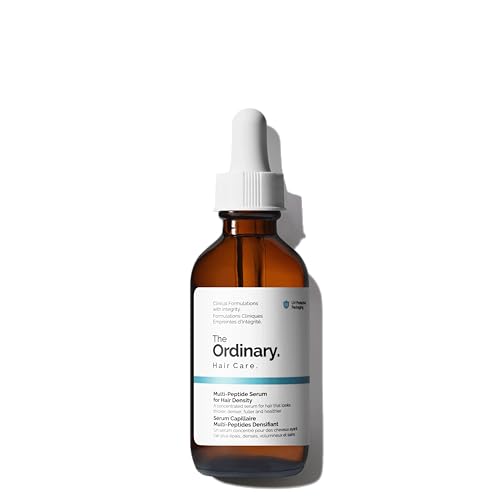
The Ordinary Serum for Hair Density
Shop on Amazon
$22.80
The Ordinary Multi-Peptide Serum for Hair Density, Peptide-Powered Formula for Thicker, Fuller Looking Hair, 2 Fl Oz
We earn a commission if you make a purchase, at no additional cost to you.
12/17/2025 07:13 pm GMT
Vegamour GRO Hair Serum
A plant-based option often recommended for stress- and hormone-related shedding. Gentle enough for sensitive scalps and highly rated for long-term consistency.
👉 See Reviews + Pricing on Amazon
Rosemary Oil & Scalp Oils (Pre-Wash or Overnight)
Rosemary oil has been studied for its potential to support hair regrowth by improving scalp circulation.
Mielle Rosemary Mint Scalp & Hair Strengthening Oil
One of the highest-reviewed rosemary oils available. Works well as a pre-wash treatment or overnight scalp massage oil. Massage gently into the scalp 2–3 times per week. No aggressive rubbing — your follicles are already under stress.

Mielle Organics Rosemary & Mint Hair Oil
Shop on Amazon
$9.95
Strengthening Biotin Oil Infused Frizzy & Damaged Hair Care - Split Ends & Dry Scalp Treatment to Support Longer, Healthier Strands, 2oz
We earn a commission if you make a purchase, at no additional cost to you.
12/17/2025 07:17 pm GMT
Scalp Exfoliation (Once Weekly)
This helps remove buildup from dry shampoo, styling products, and excess oil.
- Briogeo Scalp Revival Charcoal + Coconut Oil Scrub Shampoo
A cult favorite that exfoliates without over-drying. Best used once a week.
Volumizing Products (For Confidence While Hair Regrows)
Let’s be honest: regrowth takes time. These products don’t treat hair loss — but they help your hair look fuller now, which matters for confidence.
The key is choosing lightweight formulas that won’t clog follicles or weigh hair down.
Root Lift & Thickening Sprays
- Living Proof Full Thickening Blow-Dry Cream
Adds body without stiffness or crunch. Especially good for fine, thinning hair that still needs softness. - Kenra Volume Spray 25 (Light Use Only)
Great hold for special occasions — just don’t overuse daily if thinning is significant.
Volumizing Mousses
- Moroccanoil Volumizing Mousse
Adds fullness without sticky residue. Works well for air-drying or blow-drying fine hair.
Important tip:
Focus volumizers on mid-lengths and roots, but avoid heavy buildup directly on the scalp.
Styling Products to Use Carefully (A Gentle Reality Check)
Some popular products can look helpful but actually worsen thinning over time.
Use sparingly:
- Dry shampoo (1–2x per week max)
- Texture sprays with heavy alcohol
- Thick waxes or pomades near the scalp
If you rely on dry shampoo often, prioritize weekly scalp cleansing to avoid follicle blockage.
The Big Picture (This Is Where Most People Go Wrong)
Shampoo helps.
Scalp care matters more.
Volumizing products help you feel good while your body catches up.
When thinning hair is tied to weight loss, hormones, stress, or GLP-1 medications, the most effective approach is:
✔ Gentle, consistent scalp support
✔ Adequate protein and micronutrients
✔ Stress management
✔ Patience (hard, but real)
You’re not doing anything wrong — your body is just recalibrating.
Organic & Natural Ways to Support Hair Regrowth
If you’re dealing with thinning hair, it’s completely normal to want something you can do — something that feels gentle, natural, and within your control. While there’s no overnight fix for hair regrowth, there are organic, supportive habits that help create the right environment for hair to grow back over time.
Think of these as foundational support for your hair. They don’t replace medical treatments when needed, but they can absolutely work alongside them and often make a noticeable difference.
Nourish Hair from the Inside Out
Hair is made of protein, and when your body doesn’t get enough nutrients, hair growth is one of the first things it puts on hold. This is especially important if you’ve lost weight recently or your appetite has changed.
Focusing on adequate protein is one of the most impactful steps you can take. Even modest increases can help signal to your body that it’s safe to support non-essential functions like hair growth again. Alongside protein, nutrients like iron, zinc, B-vitamins, and omega-3 fatty acids play critical roles in hair follicle health.
You don’t need to chase perfection here. Consistency matters more than extremes. Small, regular improvements in nutrition often do more for regrowth than sporadic supplements or crash fixes.
Support the Scalp (Because Healthy Hair Starts There)
The scalp is living skin, and its health directly affects how well hair follicles function. Gentle scalp stimulation can improve circulation, deliver more nutrients to follicles, and encourage stronger regrowth.
Daily or near-daily scalp massage, even just for a few minutes, helps increase blood flow and can reduce tension that restricts follicle activity. Many women find this not only beneficial for hair health, but calming as well — a small ritual that supports both stress reduction and regrowth.
Rosemary oil has gained attention for a reason. Research suggests it may support hair density similarly to minoxidil for some people, when used consistently and diluted properly. It’s not a miracle cure, but it can be a helpful, natural addition for women experiencing diffuse thinning.
Reduce Breakage to Protect What You Have
When hair thins, it’s often not just shedding — it’s also breakage. Supporting regrowth means protecting the strands you still have.
Gentle styling makes a bigger difference than most people realize. Tight ponytails, frequent heat styling, and aggressive brushing can all worsen the appearance of thinning. Switching to looser styles, minimizing heat, and using wide-tooth combs can help preserve density while regrowth happens.
This isn’t about giving up style — it’s about being kind to hair that’s already under stress.
Lower Stress Where You Can (Yes, It Matters)
Stress is one of the most common triggers for hair thinning, and unfortunately, worrying about hair loss often creates more stress. It’s a frustrating loop.
Reducing stress doesn’t mean eliminating it — that’s unrealistic. But small, consistent stress-lowering habits like walking, breathwork, better sleep routines, or even just slowing down hair care rituals can help calm the nervous system. When cortisol levels settle, hair growth cycles often follow.
Many women notice shedding begins to slow once their body no longer feels like it’s in “emergency mode.”
Be Patient with the Timeline
This part matters: hair regrowth is slow.
Even when you’re doing everything right, it can take three to six months before you notice new growth, and even longer for density to visibly improve. That doesn’t mean it isn’t working — it means hair biology moves at its own pace.
The goal isn’t instant results. It’s creating the conditions that allow regrowth to happen naturally over time.
The Science Behind Natural Hair Regrowth Support
While “natural” doesn’t mean instant, several lifestyle-based approaches to hair regrowth are backed by real research — not TikTok trends. Supporting your scalp, nutrition, and stress levels helps address some of the most common reversible causes of thinning hair.
Rosemary Oil and Scalp Stimulation
Rosemary oil is one of the most researched essential oils for hair health — and it’s not just hype.
A well-known randomized clinical trial published in SKINmed found that topical rosemary oil was just as effective as 2% minoxidil for improving hair count in people with androgenetic alopecia after six months, with less scalp irritation reported in the rosemary group. Researchers believe rosemary oil may help improve blood circulation to hair follicles and reduce inflammation that interferes with growth.
That said, consistency matters. Rosemary oil works best when diluted properly (usually in a carrier oil) and used regularly over several months. It’s not a quick fix — but it can be a gentle, supportive option for women experiencing diffuse thinning.
Source:
Panahi Y, et al. Rosemary oil vs minoxidil 2% for the treatment of androgenetic alopecia. SKINmed. 2015.
Protein Intake and Hair Growth
Hair is primarily made of keratin, a structural protein. When the body doesn’t get enough protein — especially during weight loss — it conserves resources by slowing hair growth.
Research published in Clinical, Cosmetic and Investigational Dermatology confirms that protein deficiency is a common contributor to telogen effluvium, a type of temporary hair shedding often triggered by stress, illness, or rapid weight loss. This is particularly relevant for women on calorie-restricted diets or GLP-1 medications, where appetite is significantly reduced.
Ensuring adequate daily protein helps signal to the body that it’s safe to support non-essential processes like hair growth again. Even modest increases in protein intake can make a meaningful difference over time.
Source:
Almohanna HM, et al. The role of vitamins and minerals in hair loss. Clin Cosmet Investig Dermatol. 2019.
Stress, Cortisol, and Hair Shedding
Stress-related hair loss is very real — and very common.
Chronic physical or emotional stress increases cortisol levels, which can disrupt the hair growth cycle and push hair follicles prematurely into the shedding phase. This condition, known as telogen effluvium, often occurs several months after a stressful event — which is why hair thinning can feel sudden and confusing.
According to research published in Journal of Drugs in Dermatology, stress management plays a key role in recovery from stress-induced hair loss. Once cortisol levels stabilize and the body exits “survival mode,” hair follicles often resume normal growth cycles.
This is why sleep, stress reduction, and nervous-system regulation aren’t just good for mental health — they directly impact hair health.
Source:
Malkud S. Telogen effluvium: A review. J Clin Diagn Res. 2015.
What This Means for You
Hair regrowth doesn’t come from one product or one habit. It comes from supporting the body as a whole — nutritionally, hormonally, and emotionally.
When you combine:
- Adequate protein
- Gentle scalp stimulation
- Stress reduction
- Patience with the timeline
…you give your hair the best possible environment to recover and regrow naturally.
When to Talk to a Doctor
- Shedding lasting longer than 6–12 months
- Sudden or patchy loss
- Fatigue or hormonal symptoms
- Suspected nutrient deficiencies
Final Thoughts: Thinning Hair Doesn’t Mean You’re Losing Yourself
Hair thinning can feel emotional — but it’s often a signal, not a sentence. With patience, supportive care, and realistic expectations, many women see improvement.
You’re not broken.
Your body isn’t failing you.
And this phase doesn’t define you.
Please note: This website contains affiliate links. As an Amazon Associate, we earn from qualifying purchases at no additional cost to you.