

Please note: This website contains affiliate links. As an Amazon Associate, we earn from qualifying purchases at no additional cost to you.
So, You’re About to Start Zepbound… Here’s What You Need to Know
Starting Zepbound can bring a mix of excitement, hope, and understandable nerves. Whether you’re preparing for your first injection or considering the medication, you may be wondering what the process looks like, how the dosing works, and what you might feel in the coming weeks.
These questions are completely normal. Many people have the same thoughts when beginning GLP-1 therapy, especially if injecting medication is new to them. The good news is that the learning curve is much easier than it looks, and understanding the dosing schedule can help you feel more confident and prepared.
This guide is here to help you understand exactly how Zepbound dosing works, how to inject it like a pro, and what to expect at each stage.
Why Zepbound Uses a Gradual Dosing Schedule
Zepbound doesn’t start at a high dose—intentionally. The medication is introduced slowly so your body can adapt without overwhelming side effects.
GLP-1 medications affect appetite, digestion, and stomach emptying. Starting too high, too fast, could lead to intense nausea, vomiting, or fatigue. A gradual increase helps reduce these symptoms and gives your system time to adjust before moving to the next step.
This slow build is one of the biggest reasons people tolerate the medication more comfortably.
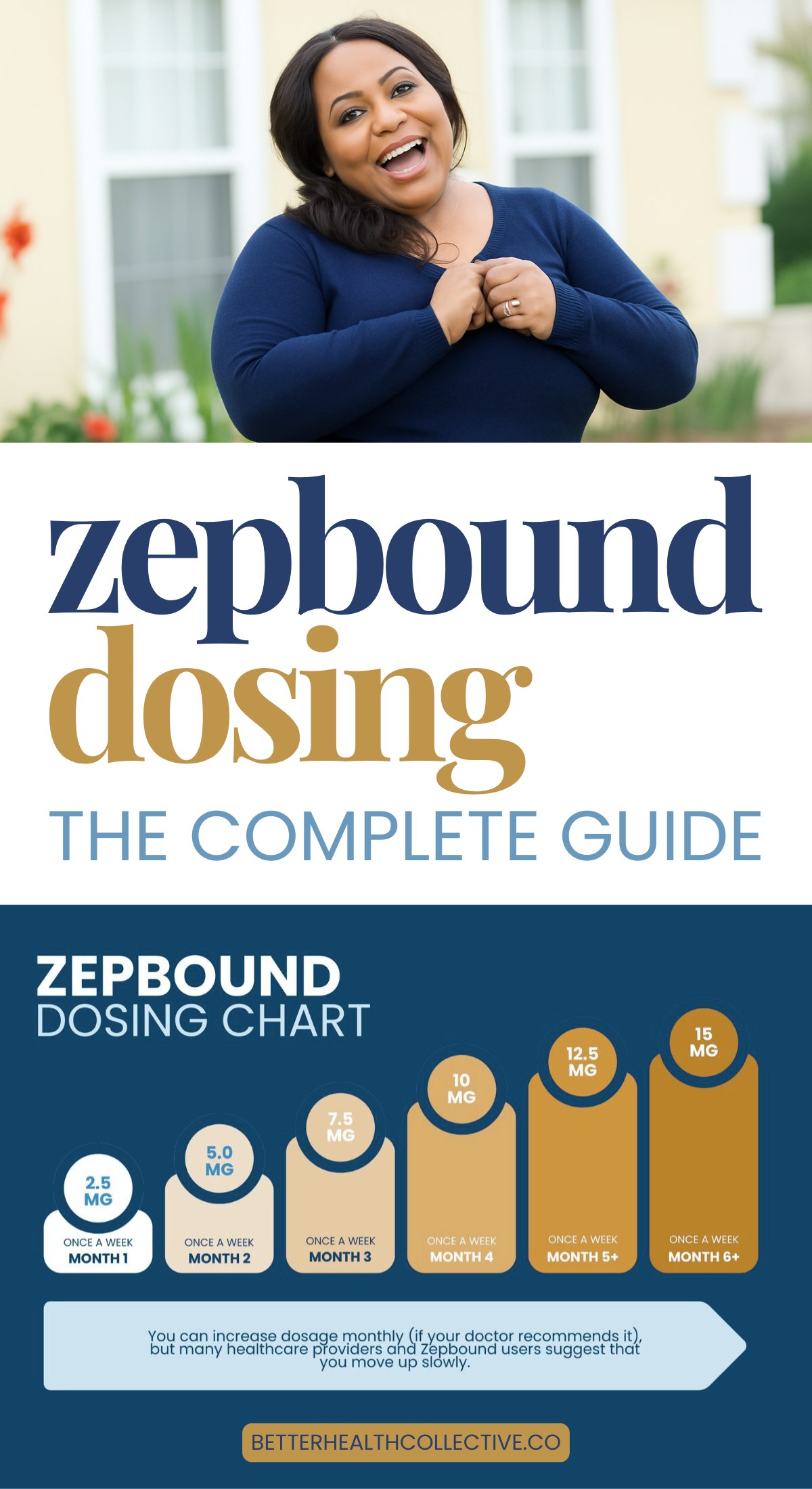
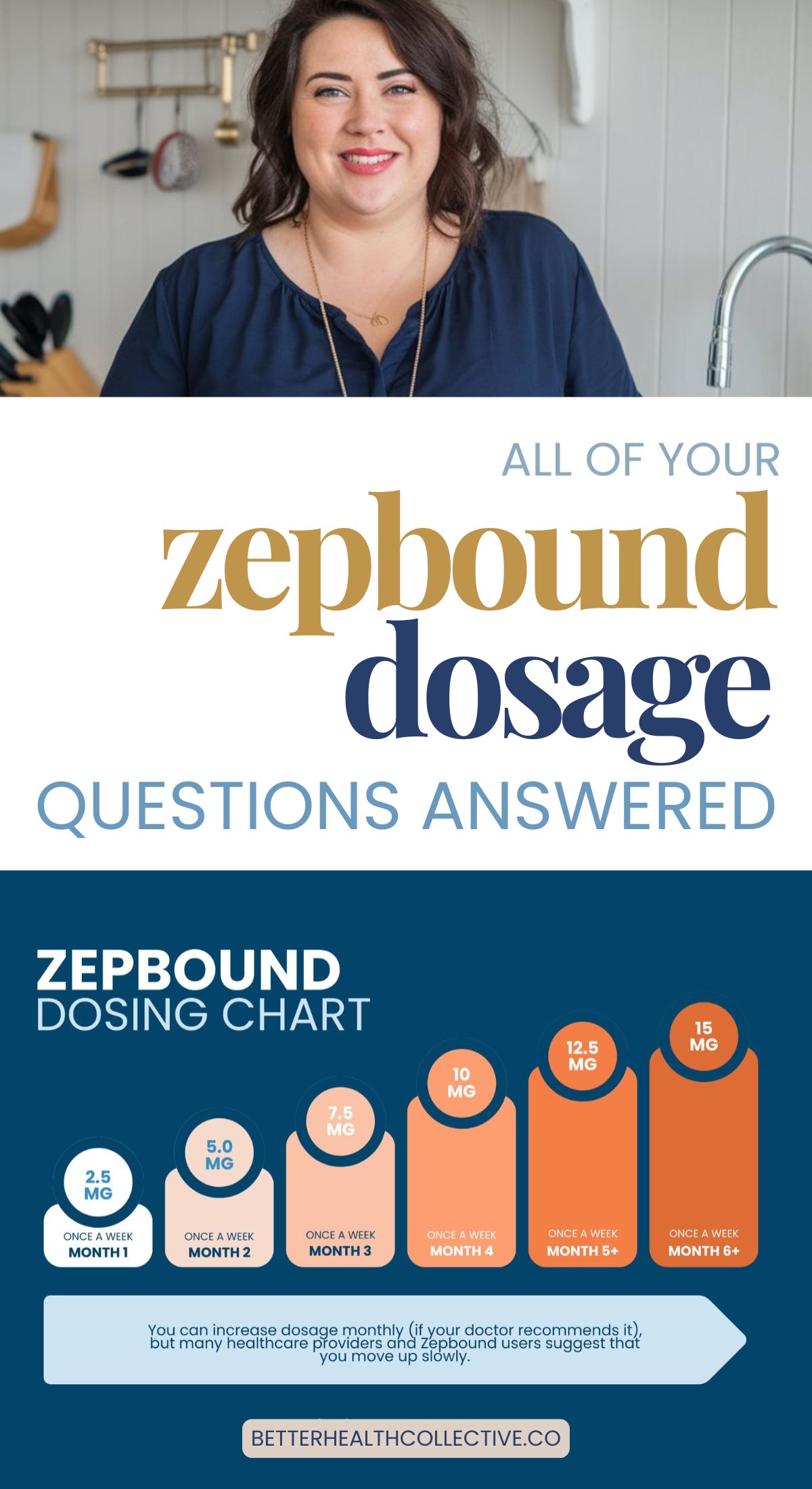
Zepbound Dosing Schedule
Below is the standard Zepbound dosing progression. Your provider may adjust it based on how your body responds.
Weeks 1–4: 2.5 mg weekly
Introduction phase; allows your body to adjust.
Weeks 5–8: 5 mg weekly
Appetite suppression increases; side effects often begin to ease.
Weeks 9–12: 7.5 mg weekly
Weight loss becomes more consistent; digestion continues adjusting.
Weeks 13–16: 10 mg weekly
Stronger appetite control and noticeable weight-loss progress.
Weeks 17+: 12.5 mg to 15 mg weekly
Maximum therapeutic effect for most people.
Not everyone needs to reach the highest dose. Many people remain on 7.5 mg or 10 mg if appetite control and weight loss are steady.
How to Inject Zepbound (Step-by-Step)
If you’re new to self-injections, it’s normal to feel hesitant. Most people feel more comfortable after one or two injections.
Here’s the basic process:
- Choose your injection site. Common areas include the abdomen, thigh, or upper arm. Many people prefer the stomach for ease.
- Let the pen warm slightly. Taking the injection straight from the refrigerator may cause stinging. Allow about 30 minutes at room temperature.
- Clean the area. Use an alcohol wipe to reduce the risk of irritation.
- Place the pen against your skin and press the button. The Zepbound pen is designed for simple, one-step use.
- Hold for 10–15 seconds until you hear the second click. This ensures the full dose has been delivered.
- Rotate injection sites weekly. This helps prevent skin sensitivity.
After a few weeks, the process usually feels routine and much less intimidating.
What to Expect With Each Dose Increase
Weeks 1–4 (2.5 mg)
This is the adjustment phase. Some people experience mild nausea, bloating, or fatigue. Appetite may decrease slightly or noticeably depending on the person.
Weeks 5–8 (5 mg)
Appetite suppression typically becomes more noticeable. Many people feel full faster and see early changes on the scale. Mild nausea may still occur.
Weeks 9–12 (7.5 mg)
Weight loss often becomes more steady. Digestive symptoms (such as constipation or reflux) may appear or increase slightly as the body fully adapts.
Weeks 13–16 (10 mg)
This dose brings stronger appetite control and more significant weight-loss momentum. If side effects persist, slowing down the increase can help.
Weeks 17+ (12.5–15 mg)
These highest doses offer the most appetite and metabolic support. However, not everyone needs them; many people continue to do well at mid-range doses.
Can You Stay at a Lower Dose?
Absolutely. There is no requirement to reach 15 mg. Staying at a lower dose may be appropriate if:
- Your appetite is already well controlled
- You’re losing weight at a healthy, steady pace
- You prefer fewer side effects
- Higher doses feel too intense
Your dose should be customized to your comfort, health needs, and personal progress.
What to Do If You Miss a Dose
If you miss a dose, follow these general guidelines:
- If it’s been less than 4 days, take the dose when you remember.
- If more than 4 days have passed, skip the missed dose and take your next scheduled dose at the usual time.
For best results, try to stay consistent. Set a weekly reminder, pair your injection with a recurring weekly task, or keep your pen stored where you’ll see it regularly.
Frequently Asked Questions About Zepbound Dosing
How long does it take for Zepbound to start working?
Most people begin noticing reduced appetite within the first few weeks, even at the starting 2.5 mg dose. More significant weight-loss changes typically appear once you reach 5 mg or 7.5 mg, though everyone responds differently.
Do I have to move up to the highest dose?
No. Many people stay at 7.5 mg or 10 mg if they have strong appetite control and steady progress. Your dose should be individualized based on your comfort level, side effects, and how well the medication is working for you.
Will the injections hurt?
Most people describe the injections as quick and tolerable. Letting the pen warm for about 30 minutes and choosing a comfortable injection site can help reduce stinging or discomfort.
What if I feel sick when I increase my dose?
It’s common to experience temporary side effects like nausea or fatigue when increasing the dose. If symptoms are strong or persistent, talk to your provider about staying at your current dose longer before increasing again.
What should I do if I miss a dose?
If less than four days have passed, take the dose as soon as you remember. If more than four days have passed, skip the missed dose and resume your regular schedule. Staying consistent with weekly injections helps maintain progress.
Final Thoughts: Zepbound Dosing Takes Time, but It Gets Easier
Starting Zepbound is a process, not a race. The first few weeks may feel unfamiliar, but most people adjust quickly. Gradual dose increases allow your body to adapt at a comfortable pace, and learning the injection steps becomes second nature.
Whether you eventually reach 15 mg or stay at a lower dose, the most important part is that you feel supported, informed, and confident in your journey. Progress happens one week at a time, and your experience should reflect what works best for your body.
Looking for more tips? Check out The Ultimate Zepbound Weight Loss Guide
Zepbound Dosing Schedule
Here’s the standard dosing schedule for Zepbound:
| Time Frame | Dosage | Purpose |
|---|---|---|
| Weeks 1-4 | 2.5 mg weekly | Introduction phase, lets your body adjust |
| Weeks 5-8 | 5 mg weekly | Appetite suppression increases, side effects ease |
| Weeks 9-12 | 7.5 mg weekly | Fat loss picks up, body adapts to medication |
| Weeks 13-16 | 10 mg weekly | Full appetite control, metabolism improvements |
| Weeks 17+ | 12.5 mg – 15 mg weekly | Maximum effectiveness for weight loss |
Most people gradually work up to 15 mg, but not everyone needs the highest dose. If you’re seeing great appetite control at a lower dose and don’t want to increase, that’s an option too.
Please note: This website contains affiliate links. As an Amazon Associate, we earn from qualifying purchases at no additional cost to you.