
YOUR COMPLETE GLP-1 GUIDE TO
Weight Loss Medications & Injections
INFORMATION, TIPS + SUPPORT
GLP-1 MEDICATION GUIDE
Thinking about starting a GLP-1 medication—or already on one and want trusted information in one place? You’re in the right spot. Whether you’re exploring Ozempic, Wegovy, Zepbound, or Mounjaro, this guide breaks down how these medications work, what to expect, and how to navigate the ups, downs, and everything in between.
Below, you’ll find the latest updates, practical tips, and a comprehensive FAQ section to help you feel informed, confident, and supported throughout your weight-loss journey.
LOOKING FOR INFO ON A SPECIFIC BRAND OF WEIGHT LOSS MEDICATION?
Weight Loss Medications | Tips & Advice
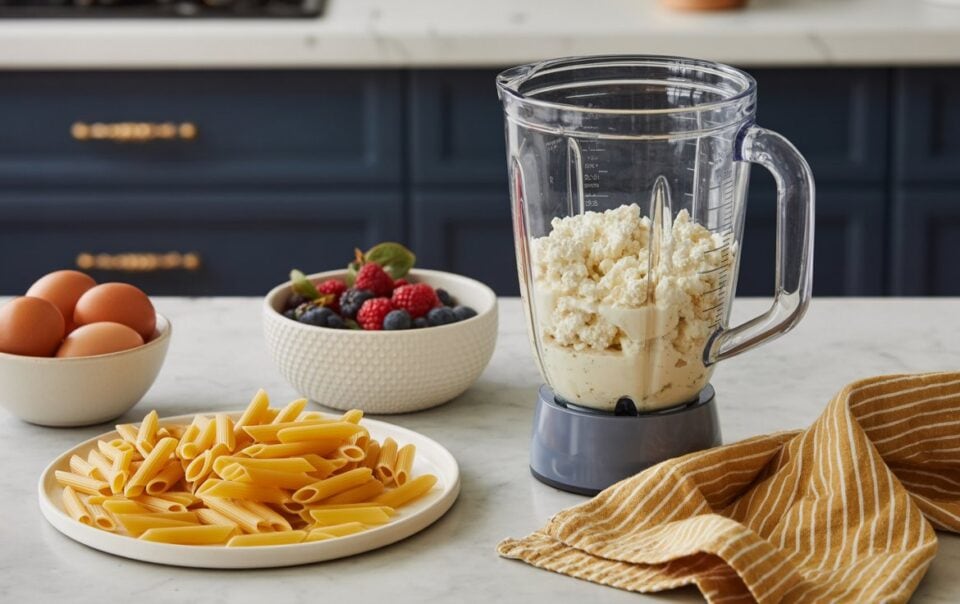
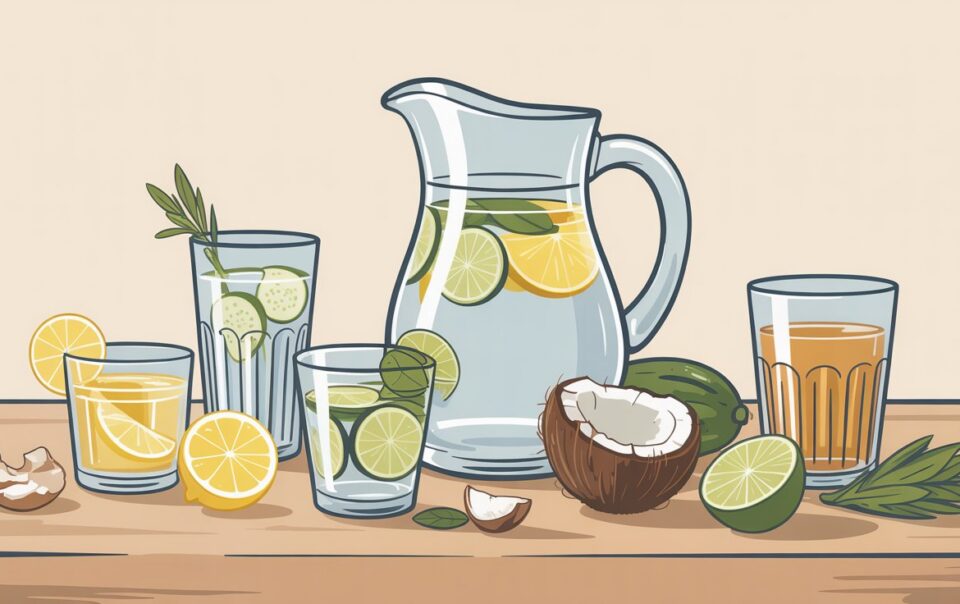








answers to the most common questions about weight loss medications.
GLP-1 Frequently Asked Questions (FAQs)
Q: How does Ozempic or Munjaro help with weight loss?
Medications like Ozempic, Wegovy, Mounjaro, and Zepbound belong to a class called GLP-1 medications. They mimic a naturally occurring hormone (glucagon-like peptide-1) that influences appetite, digestion, and blood sugar. By helping you feel full faster, reducing appetite, and slowing stomach emptying, they make it easier to eat less—and lose weight more sustainably.
Q: What side effects should I expect… and how severe are they?
The most common side effects are nausea, vomiting, diarrhea, constipation, bloating, and fatigue. Most symptoms are mild and improve as your body adjusts to the medication. Starting on a lower dose and increasing slowly usually helps. If side effects become severe or don’t improve, check in with your healthcare provider.
Q: How soon will I start noticing results?
Many people feel a decrease in appetite—and less “food noise”—within the first few weeks. Visible weight loss often begins within the first month and continues gradually. Most people notice more significant changes around the 8–12 week mark.
Q: How much weight can I expect to lose on a GLP-1 medication?
Results vary by person, but clinical studies show that medications like Wegovy and Zepbound can help people lose 10–20% of their body weight over several months. Your personal results depend on dosage, lifestyle habits, and your body’s unique response.
Q: How long do I need to stay on the medication?
Some people use GLP-1 medications short-term to jump-start weight loss, while others stay on them longer for continued support. The right timeline depends on your health, goals, and how your body responds—your healthcare provider can help you build a long-term plan.
Q: What should I eat while on Zepbound or Wegovy?
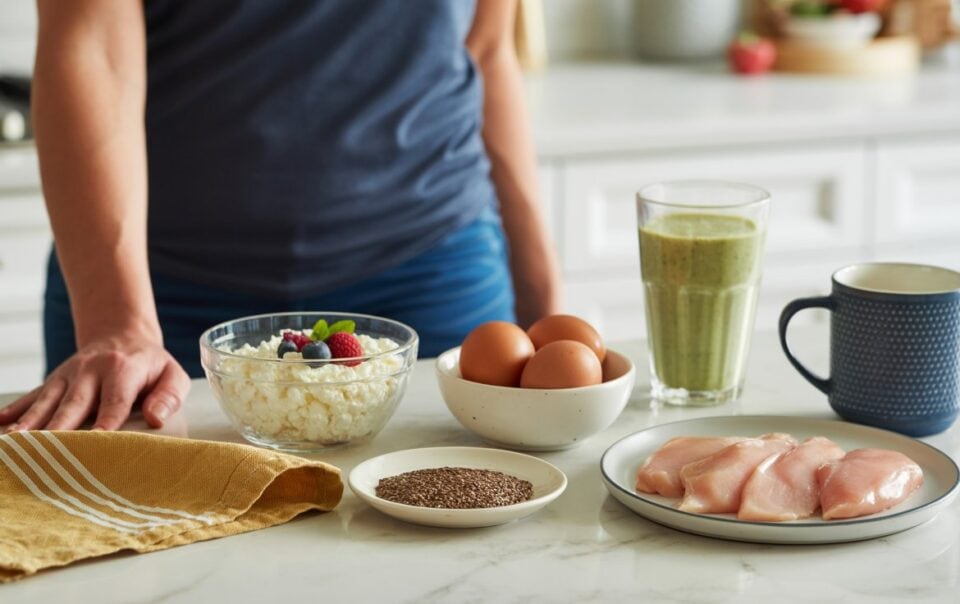
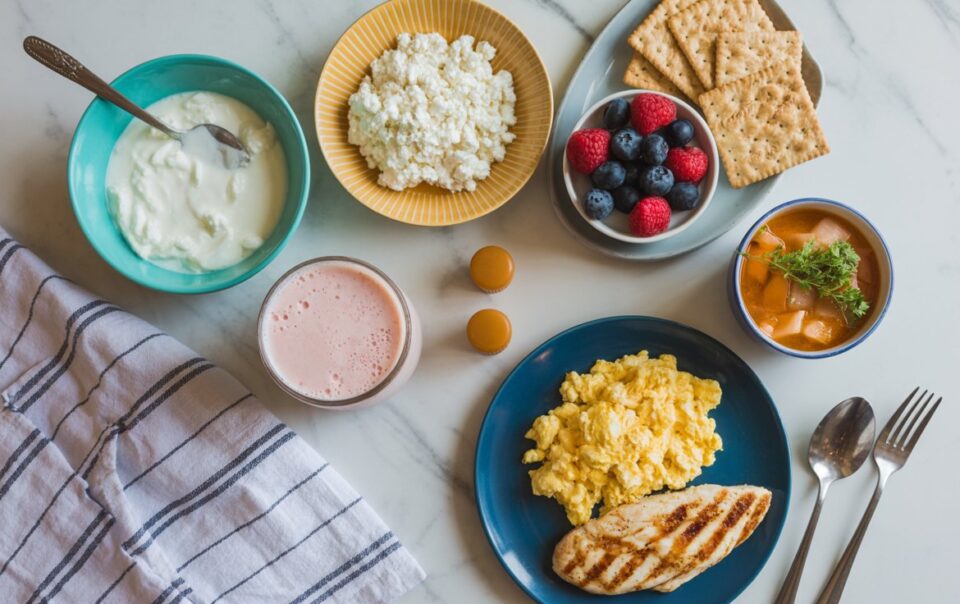
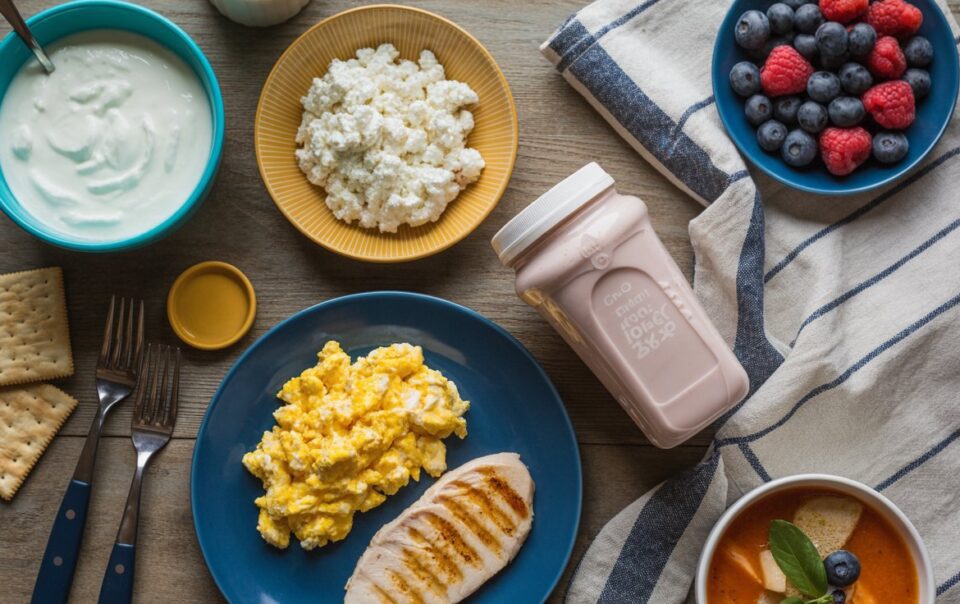
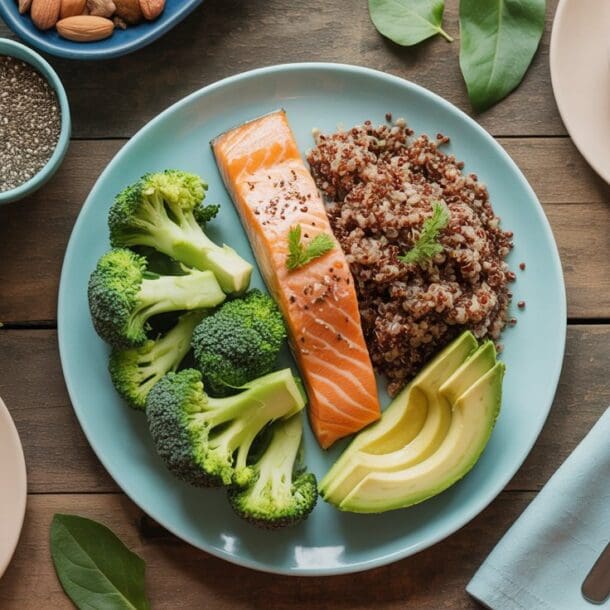
Focus on whole, simple foods: lean protein, vegetables, healthy fats, and fiber. Smaller, balanced meals eaten more frequently can reduce nausea. Processed foods, sugar, and greasy meals often trigger side effects, so keeping things clean and simple works best.
Q: Can I drink alcohol while taking a GLP-1 medication?
Moderate drinking is typically safe, but alcohol can worsen nausea and affect blood sugar. If you choose to drink, start slow and observe how your body responds. When in doubt, ask your doctor.
Q: Will my insurance cover my GLP-1 injections?
Coverage depends on your insurance plan, diagnosis, and the specific medication. Some people are fully covered, some partially, and some not at all. Contact your insurer or ask your provider about savings cards and patient assistance programs.
Q: Can GLP-1 medications interact with other medications I’m taking?
Yes. GLP-1s can interact with certain prescriptions, especially those affecting blood sugar. Be sure to provide your doctor with a complete list of medications and supplements to avoid any possible interactions.
Q: Do I need to follow a specific exercise routine while on GLP-1?
There’s no required workout plan, but adding movement—like walking, strength training, cycling, or yoga—can boost weight loss and improve overall health. Start small and build up as your energy improves.
Q: What happens if I miss a dose?
Don’t panic. Follow your medication’s specific instructions or reach out to your provider. Most of the time, you can take the missed dose if it’s within the recommended window, or just resume your usual schedule.
Q: Is weight loss permanent after stopping my weight loss meds?
It can be—but many people regain some weight if lifestyle habits aren’t in place. Continuing balanced eating, hydration, mindfulness, and movement can help maintain results after stopping a GLP-1.
Q: How does GLP-1 compare to other weight loss medications?
GLP1s like Ozempic, Wegovy and Zepbound (for example) stand out because they directly target appetite and blood sugar regulation. Older medications may suppress appetite or increase metabolism differently and often come with different side-effect profiles. Your provider can help you decide which option best fits your needs.
Q: Are GLP-1 medications safe for long-term use?
Current research suggests that GLP-1 medications like Wegovy, Munjaro, Semaglutide (just to name a few) are safe for many people long-term. Your doctor will monitor labs, side effects, and progress to determine whether ongoing use is appropriate.
Q: How do I manage nausea or other medication side effects?
Eat smaller meals, avoid greasy foods, stay hydrated, and slow down when eating. Ginger tea, electrolyte drinks, and protein-first meals can help. Side effects usually ease with time or dose adjustments.
Q:. Do I need regular check-ups while taking GLP-1 medication?
Yes. Regular monitoring helps your provider assess progress, adjust dosing, and ensure your labs and side effects remain stable—especially during the first few months.
Q: Can I take vitamins or supplements with my GLP-1 medication?
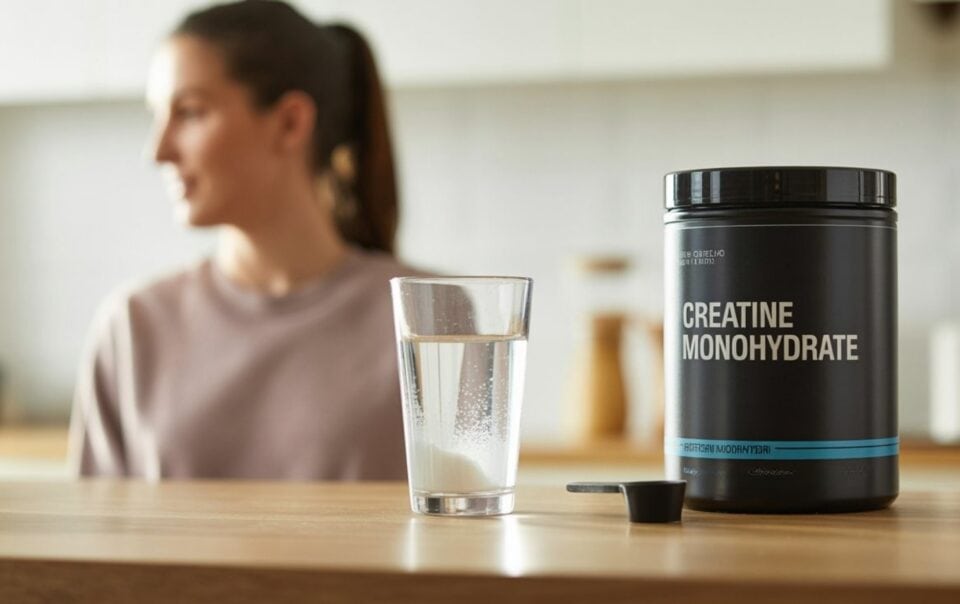
Many people do. Electrolytes, B12, probiotics, and protein supplements can be helpful, especially if you’re eating less. But always clear new supplements with your doctor first.
Q: Will taking a GLP-1 medication affect my energy levels?
Some people feel tired during the first few weeks, while others feel more energized as appetite stabilizes and weight decreases. Staying hydrated, eating enough protein, and getting good sleep will help.
Q: Are there specific foods I should avoid while on GLP-1?
Greasy, fried, and high-fat foods often worsen nausea. Highly processed foods and sugary drinks can also trigger discomfort. Stick to lean proteins and small, simple meals—your stomach will thank you.
Q: Are GLP1 meds helpful if I only want to lose a few pounds?
They’re typically prescribed for people who need to lose a significant amount of weight or who have conditions like type 2 diabetes. If you only want to drop a small amount, lifestyle changes alone may be enough. A provider can help determine what’s appropriate.
WOULD YOU LIKE WEIGHT LOSS TIPS & ADVICE DELIVERED DIRECTLY TO YOUR INBOX?
Sign up for our weekly emails.




© Copyright 2025-2026
BetterHealthCollective.com Better Health Collective LLC | All Rights Reserved.
BetterHealthCollective.com Better Health Collective LLC | All Rights Reserved.