
Please note: This website contains affiliate links. As an Amazon Associate, we earn from qualifying purchases at no additional cost to you.
You’re losing weight on Zepbound. The scale is moving. Clothes are fitting differently.
But maybe you’ve also noticed something else.
You feel a little weaker than before.
Your energy dips faster.
Workouts feel harder — or less appealing altogether.
If that sounds familiar, you’re not imagining it.
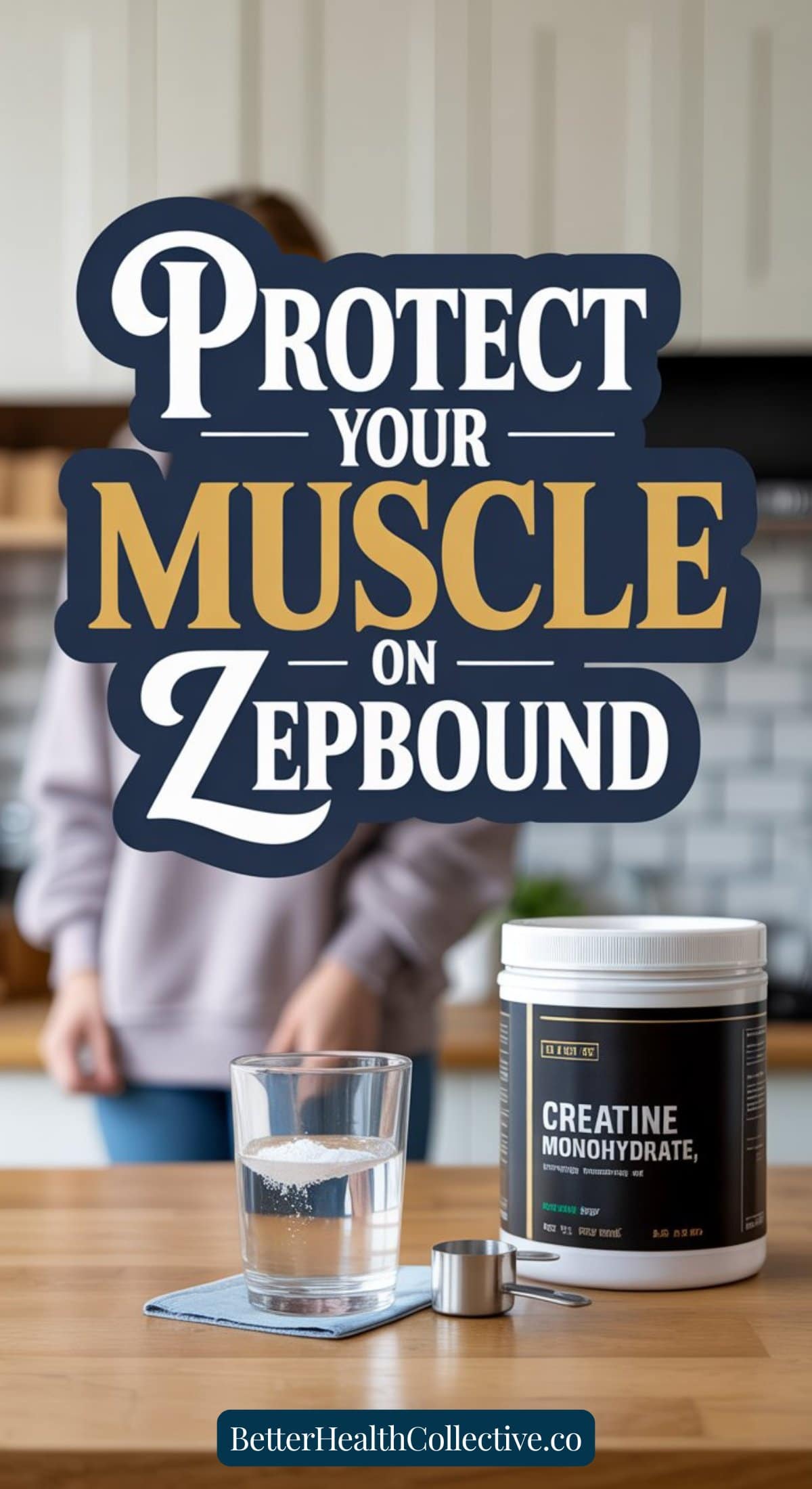
While Zepbound (tirzepatide) is incredibly effective for fat loss, it can also make it easier to lose muscle along the way — especially if you’re eating much less than you used to.
The good news? There are simple ways to protect your muscle and keep your metabolism working with you. One of the most talked-about tools right now is creatine — and it’s not just for bodybuilders.
Let’s talk about it in a realistic, no-pressure way.
Why Muscle Matters More Than You Think on Zepbound
When appetite drops quickly (which is kind of the point of Zepbound), a few things tend to happen:
- You eat fewer calories overall
- Protein intake often drops without you realizing it
- Strength training may fall off because energy feels lower
Over time, this can lead to losing not just fat, but muscle too.
Muscle isn’t just about looking “toned.” It plays a huge role in:
- Metabolism
- Energy levels
- Posture and balance
- Long-term weight maintenance
If you lose too much muscle, weight loss can feel harder to maintain later — even if Zepbound is working well now.
This is where creatine often comes into the conversation.
Creatine, Minus the Gym Bro Energy
Creatine gets a bad rap because it’s been associated with hardcore gym culture for years. But at its core, creatine is actually something your body already uses.
Think of creatine as backup energy for your muscles.
It helps muscles:
- Hold onto strength
- Recover better
- Perform even when calories are low
On Zepbound, when food intake is reduced and energy can feel inconsistent, that support can be especially helpful.
You’re not “bulking.”
You’re not trying to build huge muscles.
You’re simply helping your body hold onto what it already has.
How Creatine Can Help While You’re on Zepbound
Here’s what many people notice when creatine is added gently and consistently.
It Helps Muscles Stay Hydrated
Creatine pulls water into muscle cells. That sounds scary at first, but it’s actually a good thing.
Well-hydrated muscles are more likely to:
- Stay strong
- Recover better
- Resist breakdown during weight loss
This isn’t bloating — it’s internal muscle support.
It Supports Energy for Movement
Zepbound fatigue is real, especially early on or after dose changes.
Creatine helps your muscles access quick energy, which can make:
- Strength training feel more doable
- Daily movement feel less draining
You don’t need intense workouts for this to matter — even light resistance or bodyweight movement benefits.
It Makes Better Use of the Protein You Eat
If your appetite is lower, every gram of protein counts.
Creatine helps your body use that protein more efficiently for muscle repair instead of burning it for fuel.
How to Take Creatine on Zepbound (The Gentle Way)
If you decide to try creatine, slow and simple is best — especially on a medication that already affects digestion.
Best type:
Creatine monohydrate (micronized if possible)


How much:
3–5 grams per day
No loading phase. No rushing.
When to take it:
Any time you’ll remember consistently. Morning coffee, a protein shake, or just water all work.
Hydration matters:
Creatine works best when you’re well-hydrated — and Zepbound can already increase dehydration risk. Aim for steady water intake throughout the day.
Will Creatine Make the Scale Go Up?
This is one of the biggest concerns — and it’s a valid one.
Creatine can cause a small bump on the scale (usually 1–3 pounds). This is water inside muscle cells, not fat.
What many people notice instead:
- Clothes fit better
- Strength improves
- Weight loss feels more stable over time
If the scale pauses briefly but your body feels stronger, that’s usually a good trade.
Creatine Works Best With These Two Habits
Creatine isn’t magic on its own. It works best when paired with:
Some form of resistance
This can be light weights, bands, Pilates, bodyweight exercises — even twice a week helps.
Enough protein to support muscle
You don’t need perfection. Just aim to include protein regularly, especially earlier in the day.
Diet Compatibility
If you’re wondering whether creatine fits into the way you’re currently eating on Zepbound, this quick guide can help. The table below shows how creatine aligns with common eating styles and weight-loss approaches, so you can see at a glance whether it makes sense for you.
| Eating Style | How It Fits |
|---|---|
| GLP-1 Friendly | Works well alongside Zepbound / tirzepatide. Creatine can support muscle and energy while appetite is lower, especially when taken slowly and with good hydration. |
| High-Protein | Very compatible. Creatine helps your body make better use of the protein you’re able to eat, even if portions are smaller than before. |
| Low-Carb / Keto | Compatible with small adjustments. Creatine contains no carbs, but extra fluids and electrolytes are important to avoid dehydration. |
| Calorie-Controlled / Weight Loss Focused | Yes. Creatine adds no calories and may help preserve muscle mass while weight is coming off. |
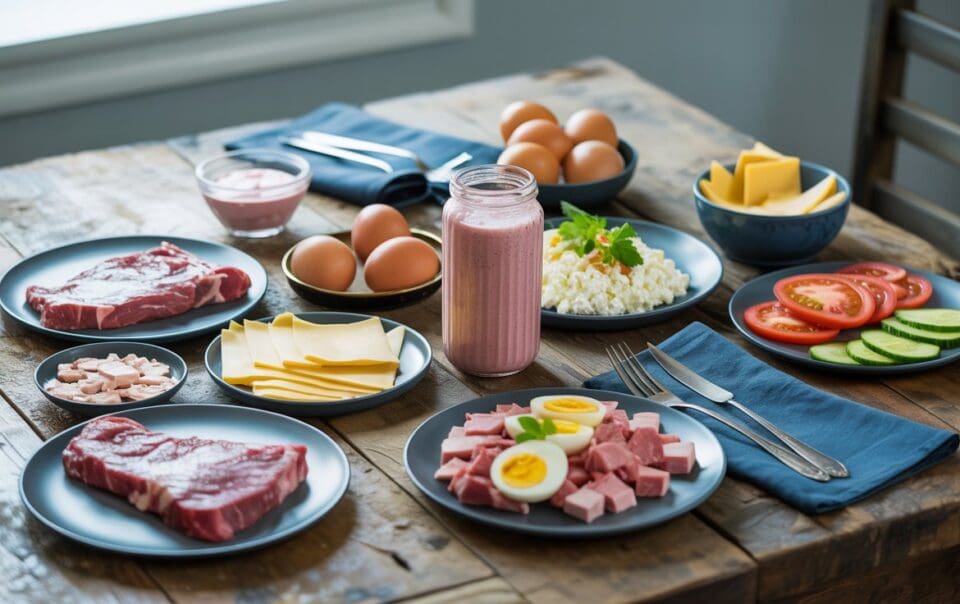
| Mediterranean-Style / Whole Foods | Compatible. Helpful when appetite makes it harder to get enough creatine from foods like red meat or fish. |
| Use With Caution | Not ideal if you have kidney disease, have been advised to limit creatine, or struggle to stay hydrated. Always check with your provider if unsure. |
Frequently Asked Questions
Should I use creatine powder or capsules on Zepbound?
Most people do better with powder. It’s easier to adjust the dose, dissolves more smoothly, and encourages hydration. Capsules can feel heavy on a slowed digestive system.
Does creatine cause bloating?
It can if taken in large doses or with a loading phase. Skipping the loading phase and sticking to 3–5 grams daily greatly reduces this risk.
Is creatine safe to take long-term?
Creatine is one of the most researched supplements available. For people without kidney disease, it’s generally considered safe when taken with adequate hydration. If you have kidney concerns, it’s always best to check with your provider first.
Do I still need creatine if I eat a high-protein diet?
Even with good protein intake, it’s very hard to reach creatine-supportive levels through food alone — especially when appetite is lower on Zepbound. Supplementing simply fills that gap.
Will creatine slow my weight loss?
It may slow scale changes temporarily due to water weight, but it often helps body composition improve — which is what actually matters long-term.
Final Thoughts
Zepbound is doing important work — but your body still needs support during the process.
Creatine isn’t required.
It’s not a shortcut.
And it’s definitely not about chasing numbers in the gym.
It’s simply one option to help you:
- Feel stronger
- Protect your metabolism
- Maintain muscle while you lose weight
Think of it as muscle insurance, not a mandate.
Please note: This website contains affiliate links. As an Amazon Associate, we earn from qualifying purchases at no additional cost to you.