Please note: This website contains affiliate links. As an Amazon Associate, we earn from qualifying purchases at no additional cost to you.
If you’ve started Wegovy, Zepbound, or Tirzepatide and suddenly feel like you could take a nap on the kitchen floor… you’re in good company.
Fatigue is one of the most common (and least talked about) GLP-1 side effects. It’s like your body put itself in low-power mode without asking permission.
And here’s the thing: you’re not imagining it.
Zepbound fatigue is real, it’s multi-layered, and it often hits during the first few weeks, after dose increases, or anytime your digestion or nutrition takes a hit.
But the good news?
Once you understand what’s causing it — and what your body needs now — you can get your energy back and feel like yourself again.
This guide breaks everything down with zero medication-shaming and zero judgment — just honest, helpful support from someone who understands the GLP-1 journey.
What You’ll Learn
- Why GLP-1 medications cause fatigue
- What “normal” GLP-1 tiredness feels like
- When fatigue signals something deeper
- How low appetite leads to low energy
- How digestion, hydration, and blood sugar affect fatigue
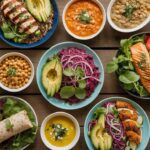
- High-protein, low-effort foods that boost energy
- Electrolytes, magnesium, and supplements that help
- Daily habits that improve energy while on GLP-1s
- When to talk to your doctor or provider
Why GLP-1 Medications Cause Fatigue
Your body is eating less — sometimes much less
GLP-1s reduce appetite drastically, which sounds great until your body goes,
“Hey… where’s the fuel?”
Less food = fewer calories = less energy.
Even if you’re eating “healthy,” you may not be eating enough to support your normal energy needs.
Blood sugar changes can cause energy drops
GLP-1 medications help stabilize blood sugar, but the transition period can lead to moments of low blood sugar — especially if you’re not eating regularly. Low blood sugar = instant fatigue, dizziness, and brain fog.
Slowed digestion means slower nutrient absorption
When your stomach empties slowly, nutrients also reach your bloodstream more slowly. That lag can make you feel sluggish, heavy, and tired after eating.
Dehydration hits harder than you think
When appetite drops, many people also drink less without realizing it.
Mild dehydration alone can cause:
- Fatigue
- Headaches
- Low motivation
- Brain fog
- Dizziness
And dehydration is extremely common on GLP-1s.
Your body is adjusting to hormonal shifts
GLP-1 medications affect:
- Appetite hormones
- Gut hormones
- Blood sugar hormones
- Hunger/desire-to-eat pathways
These all require neurological and metabolic adjustment — and adjustments require energy.
Dose increases amplify fatigue
Every time the dose goes up, side effects often flare: nausea, bloating, appetite suppression… and fatigue. The first 2–3 weeks on a new dose are the most common time for energy dips.
What GLP-1 Fatigue Feels Like
People often describe it as:
- Heavy limbs
- Feeling “wiped out”
- Needing more naps
- Harder to focus
- Feeling cold
- Low motivation
- Needing caffeine but not wanting caffeine
- Feeling like your body takes longer to “warm up”
- A sense of moving slower than usual
All of these are normal when your body is adjusting.
Common Fatigue Triggers on GLP-1s
Nutrition-Related Triggers
- Skipping meals
- Eating too little protein
- Low calories for multiple days
- Not eating breakfast
- High-carb, low-protein meals
- Not eating around workouts
- Eating only “light snacks” instead of full meals
Hydration Triggers
- Not drinking electrolytes
- Low water intake
- Diarrhea, constipation, or vomiting days
- High-protein diet without added hydration
Digestion Triggers
- Bloating
- Reflux
- Nausea
- Constipation
These increase internal stress + reduce appetite → more fatigue.
Dose-Related Triggers
- First week on medication
- First 2–3 weeks on a new dose
- Rapid or aggressive titration
Lifestyle Triggers
- Poor sleep
- Stress
- Too much caffeine + too little food
- Over-exercising
- Not exercising at all
How to Reduce Fatigue on GLP-1s (What Actually Works)
Eat small, protein-forward meals
Protein stabilizes energy and blood sugar better than carbs alone. Even small meals with 15–25 grams of protein can prevent energy crashes.
Foods that work well for GLP-1 users:
- Greek yogurt
- Cottage cheese
- Protein shakes
- Eggs
- Rotisserie chicken
- Turkey slices
- Tofu
- Light soups with added protein
Don’t skip meals — your body needs consistent fuel
Even if you’re not hungry, eating small portions prevents blood sugar dips and energy crashes.
A few bites of protein is far better than nothing.
Hydrate with electrolytes (daily!)
Electrolytes help your body absorb water, support digestion, reduce headaches, and improve energy.
Most GLP-1 fatigue is hydration-related — even if you “don’t feel thirsty.”
Eat enough calories
Many people accidentally undereat on GLP-1s. Your body needs fuel to maintain metabolism and energy levels.
If every day looks like:
- coffee
- a few bites of something
- a protein shake
…it’s not surprising you’re exhausted.
Prioritize gentle movement
Movement increases blood flow, boosts energy, and supports digestion.
Think:
- Walking
- Light strength training
- Yoga
- Gentle stretching
- A 10-minute post-meal walk
Zero pressure. Just supportive movement.
Add magnesium
Magnesium supports muscle function, improves sleep, reduces anxiety, helps digestion, and supports energy production.
Glycinate = best for daily support
Citrate = if fatigue + constipation are combined
Don’t rely too heavily on caffeine
Caffeine on an empty stomach = disaster on GLP-1s.
Instead of a huge coffee first thing, try:
- Water + electrolytes
- A protein mini-meal
- THEN coffee
This stabilizes blood sugar and prevents adrenaline-driven energy crashes.
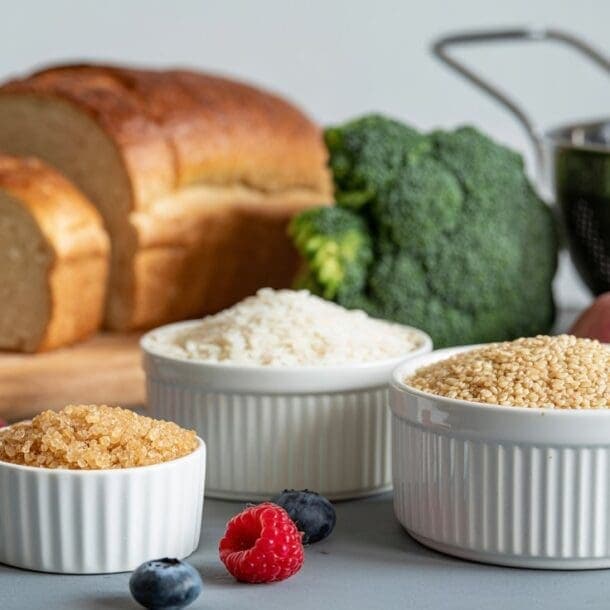
Add light complex carbs
Carbs are not the enemy — your body needs them for energy.
Try:
- oatmeal
- sweet potatoes
- quinoa
- rice
- whole-grain toast
- fruit
Pair with protein for stable energy.
Improve your sleep routine
Your body is adjusting to medication + weight loss + new digestion demands. Sleep is essential.
Supportive habits:
- earlier bedtime
- limit screens before bed
- magnesium
- warmer socks
- consistent sleep schedule
GLP-1 Fatigue Relief Toolkit
Electrolytes
Help maintain hydration and reduce dizziness + sluggishness.
Daily use highly recommended for GLP-1 users.
Protein Shakes
Keep energy up on low-appetite days.
Choose smooth, easy-to-tolerate options without heavy sugar alcohols.
Magnesium Glycinate
Supports high-quality sleep and stable daytime energy.
Light Carbs
Add quick fuel without overwhelming digestion.
Great paired with protein.
High-Protein Easy Meals
Rotisserie chicken, yogurt bowls, egg cups, protein soups keep energy stable without requiring appetite.
Low-Stress Movement
Boosts circulation, digestion, mood, and energy — without causing exhaustion.
Foods That Help Boost Energy
- Greek yogurt
- Cottage cheese
- Eggs
- Smoothies
- Rice bowls
- Oatmeal
- Soup with added protein
- Fruit + nuts
- Hummus + crackers
These digest easily and give steady, gentle energy.
Foods That Can Make Fatigue Worse
- Coffee on an empty stomach
- Large high-fat meals
- Low-protein snacks
- Heavy cream or cheese-based dishes
- Sugary snacks (energy spike → crash)
- Meals with too many raw veggies
- Artificial sweeteners (can trigger nausea + low energy)
When Fatigue Is a Red Flag
Call your provider if fatigue is paired with:
- Chest pain
- Severe dizziness
- Fainting
- Heart racing
- Fever
- Inability to keep food or fluids down
- Extreme or worsening exhaustion
Rare — but important to watch for.
Final Thoughts
Fatigue on Zepbound and other GLP-1 medications is incredibly common — and incredibly frustrating. It can make you feel unlike yourself, and it’s often linked to undereating, dehydration, slowed digestion, and the adjustment period your body is navigating.
But with small shifts in nutrition, hydration, and daily habits, energy returns.
Your body is adapting.
Your metabolism is recalibrating.
And even if it doesn’t feel like it right now, you will feel better.
You’re doing an amazing job, so hang in there!
Please note: This website contains affiliate links. As an Amazon Associate, we earn from qualifying purchases at no additional cost to you.