


Please note: This website contains affiliate links. As an Amazon Associate, we earn from qualifying purchases at no additional cost to you.
Did you know that even a small drop in your body’s fluid levels—just 3% to 5%—is enough to trigger mild dehydration?
It might not sound like much, but that little imbalance can have a surprisingly big impact on how your body feels and functions.
Dehydration affects people of all ages, from little ones to older adults, and it can sneak up fast. When your body doesn’t have enough fluid to keep everything running smoothly, things like excessive sweating, vomiting, diarrhea, or simply not drinking enough water—especially in hot or dry climates—can push you into dehydration before you realize what’s happening.
Recognizing the early signs and rehydrating quickly is key. Catching dehydration early can help prevent serious complications like heat exhaustion, kidney stress, and—in severe cases—organ failure.
We will cover:
- What exactly is dehydration?
- Signs and symptoms (and what to look for in children)
- How to treat dehydration
- How to prevent getting dehydrated in the future
What Is Dehydration?
Dehydration occurs when your body loses more fluid than it takes in. Water plays a vital role in almost every bodily function, from regulating temperature to supporting digestion, circulation, nutrient absorption, and organ function. When your fluid levels drop, your body begins to struggle, and symptoms can progress quickly.
Dehydration may result from sweating, vomiting, diarrhea, fever, certain medications, or simply not drinking enough throughout the day. Some medical conditions, like diabetes, can also cause increased fluid loss.
The more fluid the body loses, the more severe the dehydration becomes.
Common Causes of Dehydration
Excessive Sweating
Physical activity, hot or humid weather, and prolonged time outdoors can lead to significant fluid loss through sweat.
Illness
Vomiting, diarrhea, and fever rapidly drain water and electrolytes from the body, making dehydration more likely.
Medical Conditions
Conditions like diabetes or kidney issues may increase urination, causing more fluid loss.
Alcohol Consumption
Alcohol acts as a diuretic, increasing urine output and raising the risk of dehydration.
Medications
Diuretics, certain blood pressure medications, and other prescriptions can increase fluid loss.
Inadequate Fluid Intake
Busy schedules, dry climates, or simply forgetting to drink water can lead to mild dehydration that worsens over time.
Signs and Symptoms of Dehydration
Mild to Moderate Dehydration
- Increased thirst
- Dry or sticky mouth
- Dark yellow urine
- Headache
- Muscle cramps
- Fatigue or low energy
- Lightheadedness
Severe Dehydration
- Very little or no urine output
- Extremely dark or amber-colored urine
- Dry, shriveled skin
- Rapid heartbeat
- Rapid breathing
- Confusion or irritability
- Dizziness or fainting
- Sunken eyes
- Shock (medical emergency)
Quick Comparison
| Symptom | Mild to Moderate | Severe |
|---|---|---|
| Thirst | Increased | Intense |
| Urine | Dark yellow | Barely any, very dark |
| Skin | Dry, less elastic | Shriveled, wrinkled |
| Energy | Tired, dizzy | Confused, weak, possibly unconscious |
**If symptoms of severe dehydration appear, seek medical attention immediately.
Dehydration in Children and Infants
Children are especially vulnerable to dehydration because their bodies contain a higher percentage of water and lose fluids more quickly. Illness, especially vomiting or diarrhea, is a common trigger. Kids may also avoid drinking when they have a sore throat or don’t feel well.
Early Signs in Children
- Dry mouth and lips
- Reduced tears when crying
- Fewer wet diapers or urine output
- Irritability
- Sunken eyes
- Sunken soft spot (infants)
Severe Signs
- No tears when crying
- Rapid breathing
- Extreme fatigue
- Inability to stand or stay awake
- No urine for 12 hours
- Loss of consciousness
Safe Treatment for Children
Mild dehydration can often be treated with oral rehydration solutions like Pedialyte. Older kids may tolerate electrolyte ice pops. Infants should only receive approved electrolyte solutions, not plain water or sugary drinks.
Seek immediate care if a child refuses to drink, is vomiting repeatedly, shows unusual vomiting (green or bloody), becomes excessively drowsy, or shows signs of severe dehydration.
Encourage small, frequent sips and ensure hydration during illness, hot weather, outdoor play, and physical activity.
Who Is at Higher Risk for Dehydration?
Certain groups are more prone to dehydration, including:
- Infants and young children
- Older adults
- People with chronic illnesses such as diabetes or kidney disease
- Individuals on medications that increase urination or fluid loss
- Athletes or people working outdoors
- Those living in hot or dry environments
Recognizing risk factors can help you stay ahead of dehydration before symptoms begin.
Hydration Tips for GLP-1 Medication Users
People taking GLP-1 medications such as Ozempic, Wegovy, Zepbound, or Mounjaro may unintentionally drink less water because these medications reduce appetite and thirst cues. Some users also experience nausea, vomiting, or diarrhea during dose adjustments, which increases the need for fluids.
Key Hydration Strategies for GLP-1 Users
- Drink water consistently throughout the day, even without thirst cues
- Take small, frequent sips if large drinks worsen nausea
- Use electrolyte beverages when appetite is low
- Monitor urine color to ensure adequate hydration
- Increase fluid intake during dose increases, illness, or warm weather
Adequate hydration helps reduce dizziness, headaches, constipation, fatigue, and digestive discomfort that can occur during GLP-1 treatment.
How to Treat Dehydration
Treating Mild Dehydration at Home
Replacing both fluids and electrolytes is essential. Effective options include:
- Water
- Electrolyte drinks
- Oral rehydration solutions (ORS)
- Clear broths
- Diluted fruit juice
- Ice chips or popsicles
Avoid alcohol, sugary drinks, and excessive caffeine when dehydrated, as they can worsen fluid loss.
When Medical Care Is Necessary
Seek urgent medical attention if you experience:
- Confusion
- Rapid heartbeat
- Inability to keep fluids down
- No urine output
- Signs of shock
- Persistent vomiting
Moderate to severe dehydration may require intravenous fluids and medical monitoring.
How to Prevent Dehydration
Daily Hydration Habits
- Aim for consistent water intake throughout the day
- Keep a water bottle nearby
- Add natural flavors (lemon, berries, herbs) to make water more appealing
- Limit sugary drinks
- Eat hydrating foods like watermelon, cucumber, and citrus
- Increase fluid intake during illness, hot weather, or physical exertion
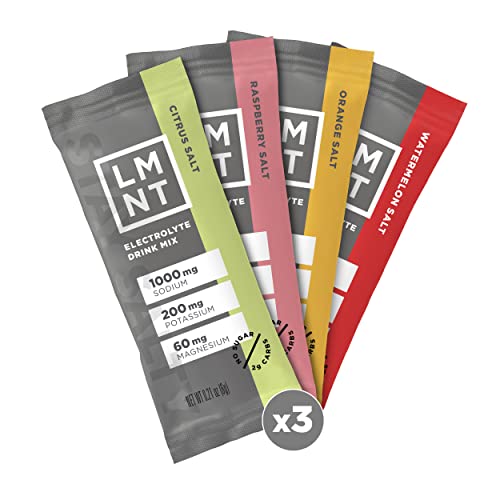
- Have electrolyte packets handy, so you can just add them to your water or smoothie



Simple Prevention Strategies
| Habit | Why It Helps |
|---|---|
| Carrying a water bottle | Encourages steady drinking |
| Choosing water over sugary drinks | Reduces dehydration risk |
| Adding natural flavors | Makes hydration more enjoyable |
| Eating water-rich foods | Supports daily fluid needs |
| Adjusting intake with activity | Replaces sweat loss |
Preventing dehydration is far easier than treating it. Consistent habits make the biggest difference.
Hydration FAQs
Frequently Asked Questions About Dehydration
How much water should I drink each day?
Most adults need around 2–3 liters of fluid per day, but the exact amount depends on age, activity level, climate, and overall health. You may need more during exercise, hot weather, illness, or when taking medications that cause fluid loss.
Can I drink too much water?
Yes. Drinking excessive amounts of water in a short period can dilute electrolytes and lead to a condition known as hyponatremia. This is rare but more likely when large amounts of water are consumed quickly without electrolyte balance. Drinking steadily throughout the day is safer and more effective.
Are electrolyte drinks better than water for dehydration?
They can be. When dehydration is caused by sweating, vomiting, diarrhea, or illness, electrolyte drinks help replace both fluids and essential minerals like sodium and potassium. For everyday hydration, water is usually enough, but electrolyte beverages are useful when recovering from fluid loss.
How can I tell if I’m dehydrated if I don’t feel thirsty?
Thirst is not always a reliable indicator—especially for older adults, children, and people on GLP-1 medications. Monitoring urine color is one of the easiest ways: pale yellow generally indicates good hydration, while darker yellow suggests you need more fluids.
Does coffee or tea cause dehydration?
Caffeinated beverages have a mild diuretic effect, but research shows they still contribute to overall fluid intake. However, relying solely on caffeinated drinks isn’t ideal. Balancing them with water throughout the day helps maintain proper hydration.
When should I seek medical help for dehydration?
Get medical attention if you experience severe symptoms such as extreme dizziness, confusion, rapid heartbeat, rapid breathing, no urine output, inability to keep fluids down, or signs of shock. Babies, older adults, and people with chronic health conditions should be evaluated sooner if dehydration is suspected.
What’s the best way to prevent dehydration during hot weather or exercise?
Increase water intake before, during, and after physical activity. Schedule regular drinking breaks, wear lightweight clothing, avoid peak heat hours when possible, and use electrolyte drinks if sweating heavily. Small but consistent hydration throughout the day is key.
Final Thoughts
Dehydration can develop quickly and lead to serious complications when ignored. Recognizing early symptoms—like increased thirst, dry mouth, fatigue, or darker urine—allows you to take action before things progress. Mild dehydration is often easy to correct with fluids and electrolytes, but severe cases require medical attention.
The best protection is prevention: drink water consistently, pay attention to your body’s needs, increase fluids during heat or activity, and support hydration during illness. With simple daily habits, you can protect your energy, health, and wellbeing year-round.
Please note: This website contains affiliate links. As an Amazon Associate, we earn from qualifying purchases at no additional cost to you.