
Please note: This website contains affiliate links. As an Amazon Associate, we earn from qualifying purchases at no additional cost to you.
Yes… the Protein Struggle Is REAL on GLP-1 Medications
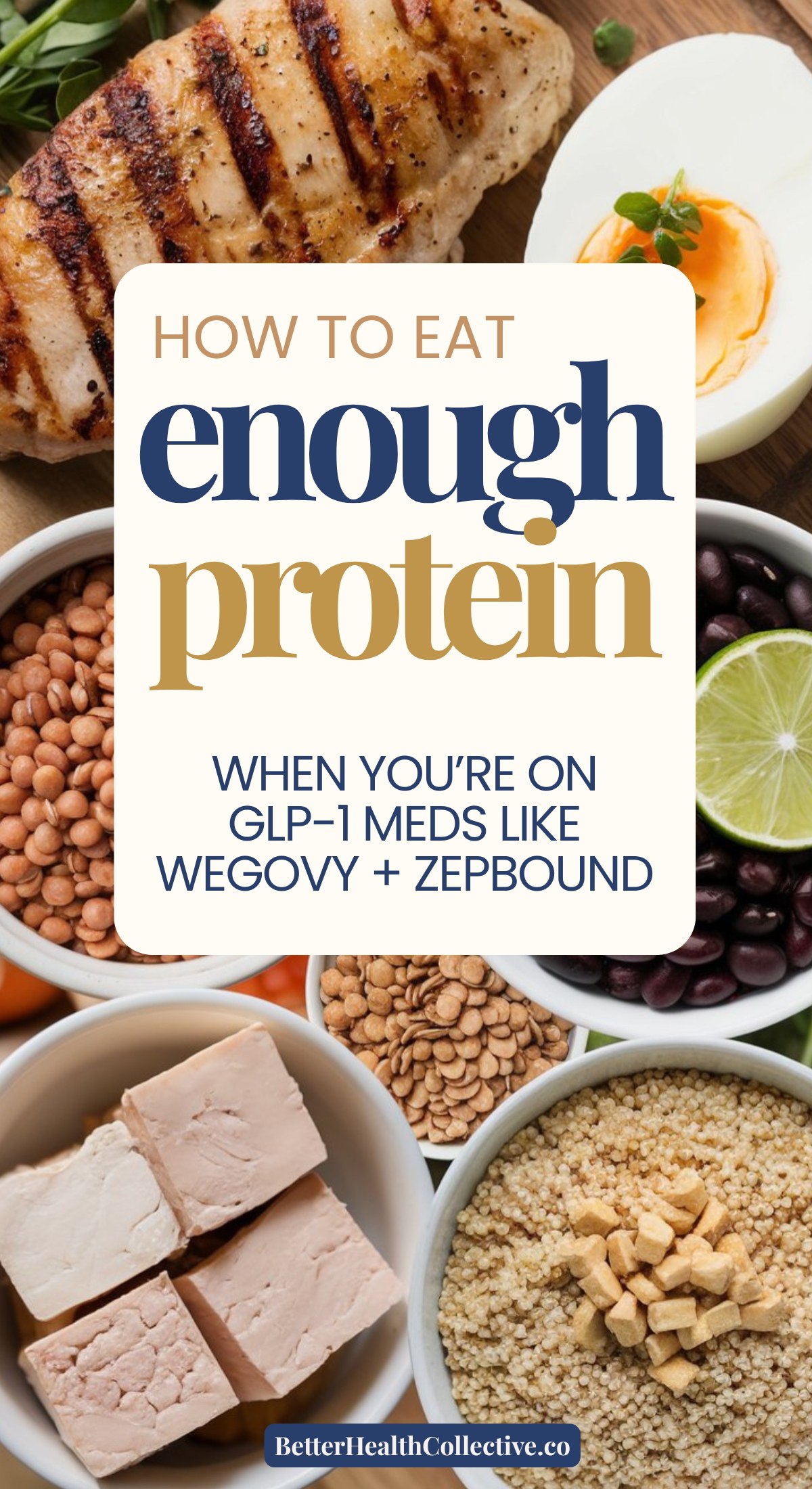
If you’re on Ozempic, Wegovy, Zepbound, or Mounjaro, you may have noticed something unexpected: you’re finally eating less, yet somehow everyone keeps reminding you to eat more protein. It can feel confusing, especially when your appetite is low and the thought of a full meal feels overwhelming.
But here’s the reality. When you lose weight quickly without enough protein, your body may burn muscle instead of fat. Losing muscle can slow your metabolism, reduce your strength, and leave you feeling less energized. None of that supports your long-term goals.
The challenge is simple: hitting your protein target when your appetite has vanished. The good news is that you don’t need huge meals or heavy portions to get enough protein. You just need smart strategies that work with your appetite—not against it.
This guide walks you through how to increase your protein intake in easy, manageable ways that fit perfectly with life on GLP-1 medications.
Why Protein Matters Even More on GLP-1 Medications
GLP-1 medications reduce appetite, which is great for weight loss. But if you naturally eat less, you may also eat less protein unless you plan for it. Protein becomes even more important for:
- Maintaining muscle while losing fat
- Supporting metabolism
- Reducing fatigue or weakness
- Keeping hunger stable between meals
- Strength training or exercise recovery
When your appetite decreases, your body’s protein needs do not. That’s why intentional protein choices are important.
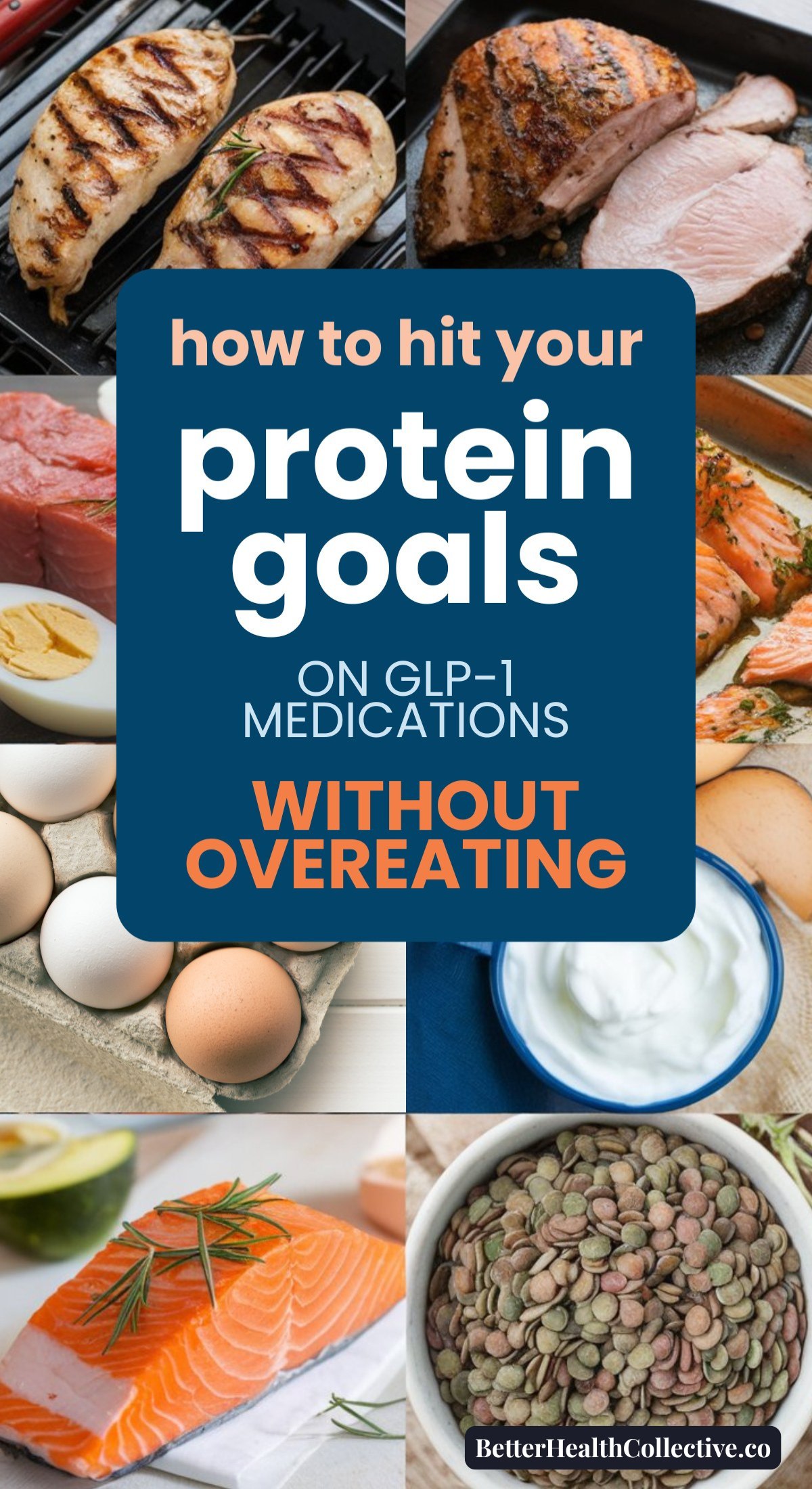
How to Hit Your Daily Protein Goals Without Overeating
These are practical, realistic strategies that work even on low-appetite days.
Choose Protein-Dense Foods (More Protein, Less Volume)
High-protein foods that require small servings are ideal when you don’t feel like eating a lot.
Examples include:
- Eggs (6g each)
- Cottage cheese (14g per ½ cup)
- Greek yogurt (15–20g per cup)
- Cheese sticks (7g each)
- Tuna packets (20g per pouch)
- Ground turkey or chicken (22g per 3 oz)
- Whey protein (25g per scoop)
Pro Tip: Choose foods with at least 10 grams of protein per serving to increase intake without adding bulk.
Swap Low-Protein Foods for High-Protein Versions
Simple ingredient swaps quickly boost your protein without increasing your portion sizes.
Try substituting:
- Greek yogurt instead of regular yogurt
- Cottage cheese instead of sour cream
- High-protein wraps instead of flour tortillas
- Protein pasta (such as Banza) instead of white pasta
- Quinoa instead of rice
Pro Tip: If you struggle with the texture of cottage cheese, blend it until smooth. Brands like Good Culture are naturally creamier.
Drink Your Protein on Low-Appetite Days
Smoothies, shakes, and ready-to-drink protein beverages can be easier to tolerate than solid food.
Easy, high-protein drink ideas:
- Protein shakes (20–30g)
- Smoothies with Greek yogurt or protein powder
- Fairlife or Premier ready-to-drink shakes (30g)
- Core Power shake (40g+)
- Bone broth (10g)
Pro Tip: If mornings are difficult, start with a shake. It gets protein in early without feeling heavy.
Add Protein to Foods You Already Eat
You can increase your protein intake without increasing your meal size by adding protein-rich ingredients to familiar foods.
Examples:
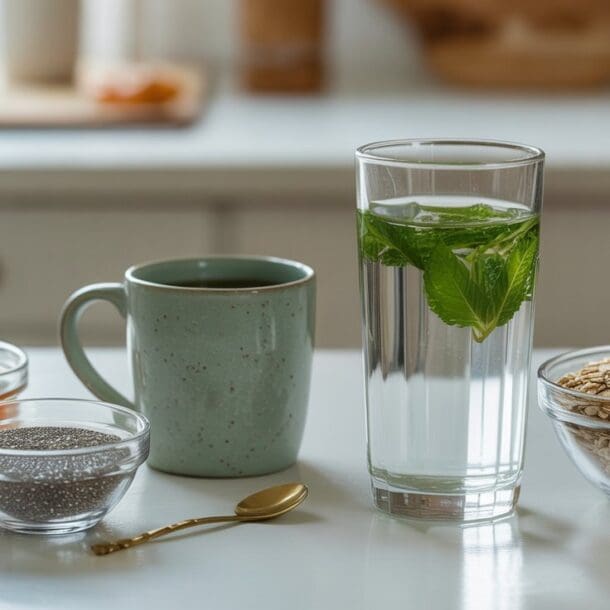
- Add collagen or whey to your coffee
- Mix protein powder into oatmeal
- Add cottage cheese to scrambled eggs
- Add chia or hemp seeds to yogurt or salads
- Add powdered peanut butter or nut butter to smoothies
Pro Tip: Unflavored pea protein mixes easily into many foods without adding taste.
Eat Smaller, Protein-Focused Snacks Throughout the Day
If full meals feel challenging, several small high-protein snacks can help you hit your daily goal.
Options include:
- Cottage cheese with berries
- String cheese and almonds
- Hard-boiled eggs
- Tuna pouch
- Beef or turkey jerky
- Roasted chickpeas
Pro Tip: If meals feel too heavy, aim for two or three small high-protein snacks instead.
Prioritize Protein First at Every Meal
When your appetite is lower, eating protein first ensures you are meeting your nutritional needs before fullness kicks in.
- Eat protein first
- Then vegetables
- Then carbohydrates if you still have room
Starting with a few bites of protein can make a significant difference.
Use Pre-Cooked, High-Protein Convenience Foods
If cooking feels like too much effort, pre-prepared options make it easier to get enough protein.
Helpful options include:
- Rotisserie chicken
- Pre-cooked hard-boiled eggs
- Tuna or salmon packets
- Greek yogurt cups
- Pre-made protein shakes
Pro Tip: Keeping ready-to-eat protein options in the fridge removes the friction from meeting your goals.
Final Thoughts: You Can Hit Your Protein Goals Without Overeating
You don’t need large meals or complicated recipes to get enough protein on GLP-1 medications. With the right approach, you can support your metabolism, protect your muscle mass, and feel your best.
Focus on:
- Protein-dense foods
- Smart ingredient swaps
- Drinking protein when necessary
- Protein add-ins
- Small protein snacks
- Eating protein first
- Using convenient pre-cooked options
Small, manageable changes lead to meaningful results over time.
You can do it!
Please note: This website contains affiliate links. As an Amazon Associate, we earn from qualifying purchases at no additional cost to you.