

Please note: This website contains affiliate links. As an Amazon Associate, we earn from qualifying purchases at no additional cost to you.
If you’ve ever felt like your diet and your workout schedule are fighting each other, you’re definitely not alone.
We’ve all been there: trying to power through a heavy leg day on a low-carb salad, or eating a huge pasta dinner on a day we barely left the couch.
It feels out of sync, right?
That’s where carb cycling comes in. Instead of a one-size-fits-all approach where you eat the same thing every day regardless of what you’re doing, carb cycling is a strategy that matches your fuel to your movement. It alternates between high, moderate, and low-carb days to support your energy when you need it and encourage fat burning when you don’t.
In this guide, we’re going to pull back the curtain on how carb cycling works, why it’s such a powerful tool for metabolism, and how you can start using it without feeling like you need a PhD in nutrition.
What Exactly is Carb Cycling? (And Why It’s Not Just Another “Diet”)
Most traditional diets ask you to pick a lane—either “low carb” or “high carb”—and stay there forever. Carb cycling is different because it’s flexible. It adjusts based on your life.
Think of it like this: You wouldn’t put a full tank of premium gas in a car that’s just going to sit in the garage all day, right? But you definitely want that fuel if you’re heading out for a long road trip.
By alternating your intake, you avoid the common “diet plateau” where your metabolism slows down because it’s bored with the same routine. It keeps your body guessing and, more importantly, it keeps your muscles fueled.
The Science of Carb Cycling: How It Works in Your Body
Carb cycling isn’t magic; it’s about managing three specific things: Glycogen (your body’s sugar storage), Insulin, and Leptin.
- On Low-Carb Days: Your goal is to let your glycogen levels drop slightly. This encourages your body to switch over and use stored fat for fuel. It’s also great for improving “insulin sensitivity,” which just means your body gets better at processing sugar.
- On High-Carb Days: You are essentially hitting the “reset” button. You refill those glycogen stores so you have the explosive energy needed for a tough workout. These days also boost Leptin—your “fullness hormone”—which tells your brain that you aren’t starving. This prevents your metabolism from going into “emergency save mode.”
By switching it up, you get the best of both worlds: efficient fat burning and consistent, high-octane energy.
Why Your Metabolism Loves Variety
Unlike strict, long-term calorie cutting that can leave you feeling sluggish, carb cycling keeps your metabolism adaptable.
- On low days, you’re a fat-burning machine.
- On high days, your body ramps up its calorie-burning hormones.
This “metabolic flexibility” is the secret to avoiding those frustrating weight-loss stalls and plateaus. Research, including a 2024 study, suggests that when you pair carb cycling with intense workouts, you can actually lose fat while keeping your hard-earned muscle mass.
The Big Benefits:
- Fat loss without muscle loss: You give your muscles what they need on work days.
- Stable energy: No more “afternoon slumps” caused by constant low-carb dieting.
- Better performance: You’ll actually have the “go-juice” to hit personal bests in the gym.
QUICK NOTE: Carb cycling is a powerful tool, but it’s an advanced one. It isn’t for everyone—especially if you have a history of disordered eating or specific medical conditions. Always check in with a doctor or dietitian before changing your macros this significantly!
Carb Cycling for Weight Loss: Scientific Evidence and Benefits
Research on carb cycling is still growing, but some studies show promising results. A 2024 study found that carb cycling with intense workouts can help with weight loss. It keeps muscle mass by giving enough carbs on workout days.
It might also make your body better at using insulin and avoid the negative effects of long-term dieting. But, we need more studies to know its long-term effects and best practices.
The benefits of carb cycling for losing weight and staying healthy include:
- Helping with fat loss while keeping muscle mass
- Improving metabolic adaptation and insulin sensitivity
- Keeping energy levels up and reducing tiredness during weight loss
- Boosting workout performance and recovery on high-carb days
| Carbohydrate Intake | Recommendations |
|---|---|
| Total Calories | 45-65% from carbohydrates |
| Grams per Day (2,000 calories) | 225-325 grams |
| Grams per Kilogram (Strenuous Exercise) | 8-12 grams |
| Low-Carb Diet | Fewer than 130 grams or less than 26% of total calories |
| Carb Cycling for Weight Loss | Low-carb for 5-6 days, high-carb for 1-2 days |
How to Structure Your Carb Cycling Days
The key to carb cycling is matching your plate to your planner. Here is a simple breakdown of how to think about your days:
1. High-Carb Days (Your “Power” Days)
When: Match these with your most intense workouts (Leg day, heavy lifting, or long-distance cardio).
The Goal: About 60% of your calories come from carbs.
The Math: Aim for about 2–2.5 grams of carbs per pound of body weight.
(Example: If you’re 150 lbs, you’re looking at 300–375g of carbs).
2. Low-Carb Days (Your “Burn” Days)
When: Use these on rest days or light activity days (walking, yoga).
The Goal: Keep carbs low (around 50g) and focus on fiber-rich veggies and healthy fats.
The Math: You’ll usually increase your protein here (about 1.5g per pound) to stay full.
3. Moderate-Carb Days (Your “Balance” Days)
When: Great for “typical” activity days.
The Goal: A balanced mix. Aim for about 1.5g of carbs per pound.
The Macronutrient Cheat Sheet
| Day Type | Carbs (g/lb) | Protein (g/lb) | Fat (g/lb) |
| High-Carb | 2.0 – 2.5 | 1.0 | 0.1 – 0.15 |
| Moderate-Carb | 1.5 | 1.0 – 1.2 | 0.2 |
| Low-Carb | 0.5 (or less) | 1.5 | 0.35 – 0.8 |
What’s On the Menu? Best Foods to Eat During Carb Cycling
Quality matters just as much as quantity. You can’t cycle “junk” and expect to feel amazing.
On High-Carb Days, reach for “Slow” Carbs:
- Sweet potatoes and yams
- Oatmeal and quinoa
- Brown rice and whole-grain bread
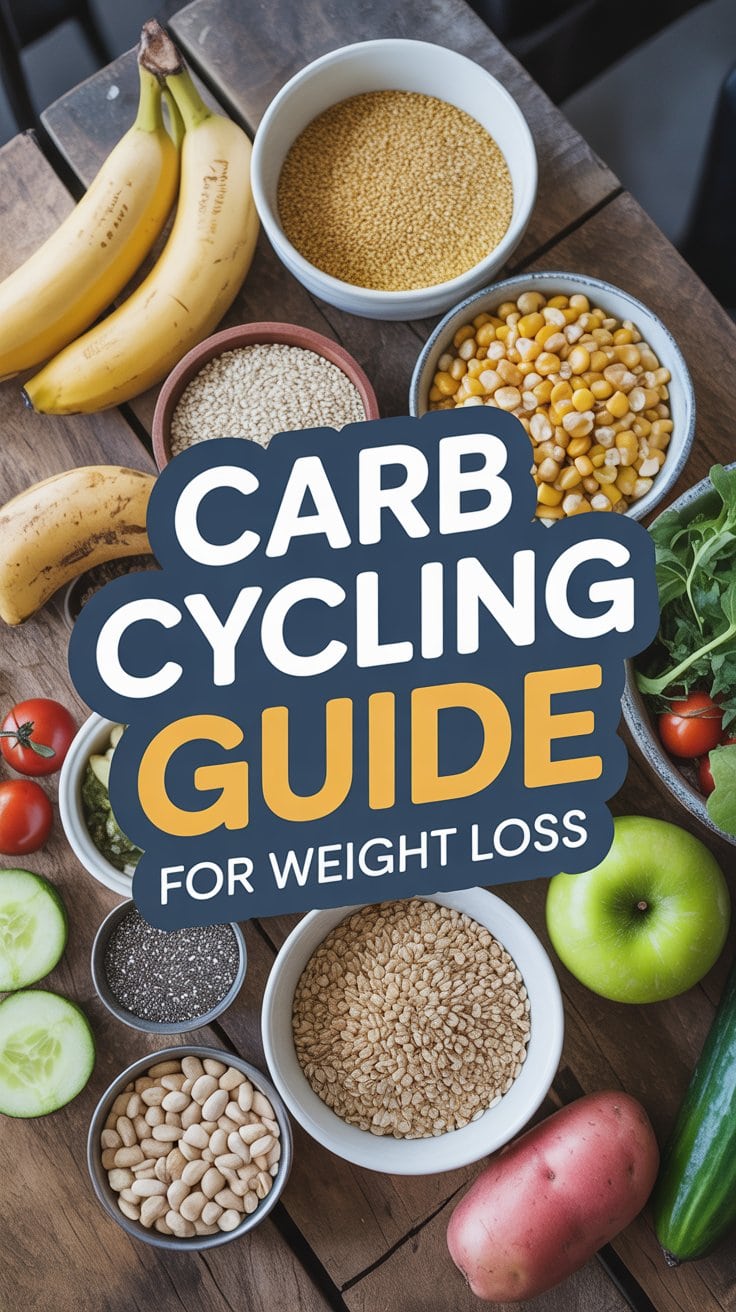
- Fresh, vibrant fruits (berries, bananas, apples)
On Low-Carb Days, focus on “Volume” & Fats:
- Lean Proteins: Chicken, white fish, tofu, or turkey.
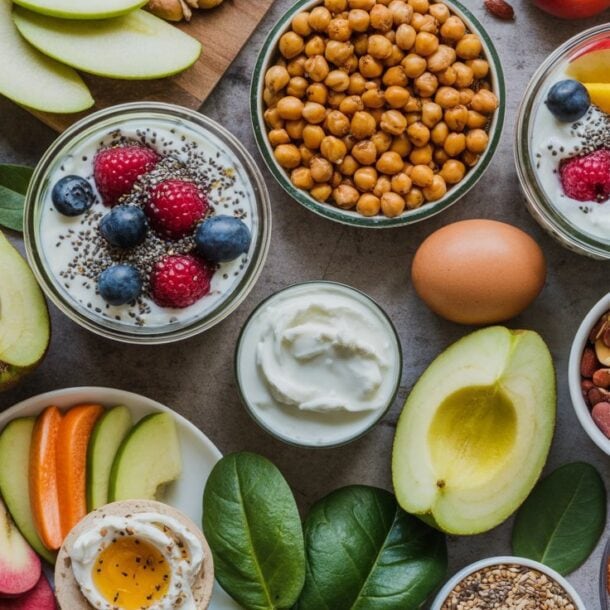
- Healthy Fats: Avocado, nuts, seeds, and olive oil.
- Fiber-rich Veggies: Broccoli, cauliflower, leafy greens, and peppers.
Cheat Sheet:
| High-Carb Days | Low-Carb Days |
|---|---|
|
|
By mixing complex carbohydrates, lean proteins, healthy fats, and fiber-rich foods in your carb cycling, you’ll boost your energy, performance, and health.
Common Mistakes When Carb Cycling (And How to Avoid Them)
Even the best plans can go sideways. Here’s what to watch out for:
Timing Issues: Don’t waste a high-carb day on a rest day. Your body won’t have anywhere to “put” that energy except for storage.
The “Cheat Day” Mentality: A high-carb day isn’t a free pass for processed sugar. Stick to whole foods to avoid a massive insulin spike that leaves you feeling worse.
Forgetting Fiber: No matter what day it is, you need fiber! It’s the secret to feeling full and keeping your gut happy.
Ignoring Fats and Protein: Carbs are the star of this show, but protein and fat are the supporting cast. If you drop your carbs and forget to increase your fats on low-day, you will be hangry.
Avoiding these mistakes and focusing on nutrient balance, meal planning, and tracking macronutrients can help you get the most out of carb cycling. This way, you can achieve lasting weight loss and better health.
Combining Exercise with Carb Cycling for Maximum Results
To get the most out of this, treat your kitchen like a support team for your gym.
- HIIT & Heavy Lifting: These require carbs. Schedule your high-carb days here.
- Endurance/Long Runs: Great for high-carb days to top off those glycogen stores.
- Walking & Mobility: Perfect for low-carb days when your body can focus on burning fat.
Frequently Asked Questions About Carb Cycling
1. Do I have to track my macros perfectly for this to work?
While you don’t need to be obsessed with every single gram, carb cycling does require a bit more “math” than a standard diet. To see the metabolic benefits, you’ll want to have a general idea of your carb intake. Most people find that using a tracking app for the first two weeks helps them “calibrate” their portions until they can eyeball their high and low days accurately.
2. Can I do carb cycling if I’m a vegetarian or vegan?
Absolutely! You’ll just focus on different fuel sources. On high-carb days, lean into quinoa, beans, lentils, and oats. On low-carb days, you’ll prioritize tofu, tempeh, seitan, nuts, seeds, and plenty of fibrous leafy greens. Just keep an eye on your protein, as many plant-based proteins (like chickpeas) also come with a significant amount of carbs.
3. What happens if I accidentally eat high-carb on a rest day?
First: don’t panic! One “mismatched” day isn’t going to ruin your progress. The goal of carb cycling is consistency over time, not perfection in a single 24-hour window. If you overdo the carbs on a rest day, just get back to your planned low-carb day tomorrow. Your body is resilient!
4. Will I feel tired on low-carb days?
It’s normal to feel a slight dip in energy during the first week as your body learns to become “metabolically flexible” (switching from burning sugar to burning fat). However, if you are feeling completely wiped out, you might be cutting your calories too low. Make sure you are increasing your healthy fats (avocado, nuts, olive oil) on those low-carb days to keep your energy stable.
5. How long should I stay on a carb-cycling plan?
Carb cycling is generally seen as a high-performance strategy rather than a permanent lifestyle. Many people find success using it in 6 to 12-week cycles to break through a plateau or prepare for a specific fitness goal. It’s always a good idea to “reset” with a period of intuitive, balanced eating between cycles to give your mind and body a break from tracking.
6. Can I still eat “treats” on high-carb days?
The “High-Carb” label isn’t exactly a green light for pizza and donuts. To keep your blood sugar from spiking and crashing (which leads to those dreaded cravings), you’ll get the best results by sticking to complex carbohydrates like sweet potatoes, fruit, and whole grains. That said, the occasional treat fits into any balanced life—just don’t make it the foundation of your “High” days!
Final Thoughts
Carb cycling might feel like a lot of moving parts at first, but once you get into the rhythm, it feels incredibly natural. It’s all about listening to your body and giving it the fuel it actually needs for the task at hand.
Start slow, track your progress, and remember: the best “diet” is the one that makes you feel energized, strong, and balanced!
Source Links
- Carb cycling: Benefits, evidence, and how to do it – https://www.medicalnewstoday.com/articles/carb-cycling
- Carb Cycling Diet—What Is It? Does It Work? – https://www.eatingwell.com/article/286043/carb-cycling-diet-what-is-it-does-it-work/
- What Is Carb Cycling — and Should You Try It? – https://www.shape.com/healthy-eating/diet-tips/what-is-carb-cycling
- Carb cycling for weight loss | Diets for your metabolism | Lumen | Lumen – https://www.lumen.me/blog/carb-cycling-for-weight-loss-a-beginner-s-guide
- Metabolic Confusion, Carb Cycling, and Hypothyroidism Weight Loss | Paloma Health – https://www.palomahealth.com/learn/metabolic-confusion-carb-cycling-hypothyroidism-weight-loss?srsltid=AfmBOoq8WXepx8AavZpfyoFyTua1q1jjvVbh4JmOnIOZJd3TIiy8MolG
- Can Carb Cycling Improve Your Fitness? – https://www.health.com/carb-cycling-8715651
- What Is Carb Cycling and Can It Help You Lose Weight? – https://www.loseit.com/articles/what-is-carb-cycling-and-can-it-help-you-lose-weight/
- 7-Day Carb-Cycling Meal Plan & Recipe Prep – https://www.verywellfit.com/7-day-carb-cycling-meal-plan-ideas-recipes-and-prep-6363205
- Carb Cycling: A Beginner’s Guide and Meal Plan – Athletic Insight – https://www.athleticinsight.com/diet/carb-cycling
- Top 15 Reasons You’re Not Losing Weight on a Low-Carb Diet – https://www.healthline.com/nutrition/15-reasons-not-losing-weight-on-a-low-carb-diet
Please note: This website contains affiliate links. As an Amazon Associate, we earn from qualifying purchases at no additional cost to you.