


Please note: This website contains affiliate links. As an Amazon Associate, we earn from qualifying purchases at no additional cost to you.
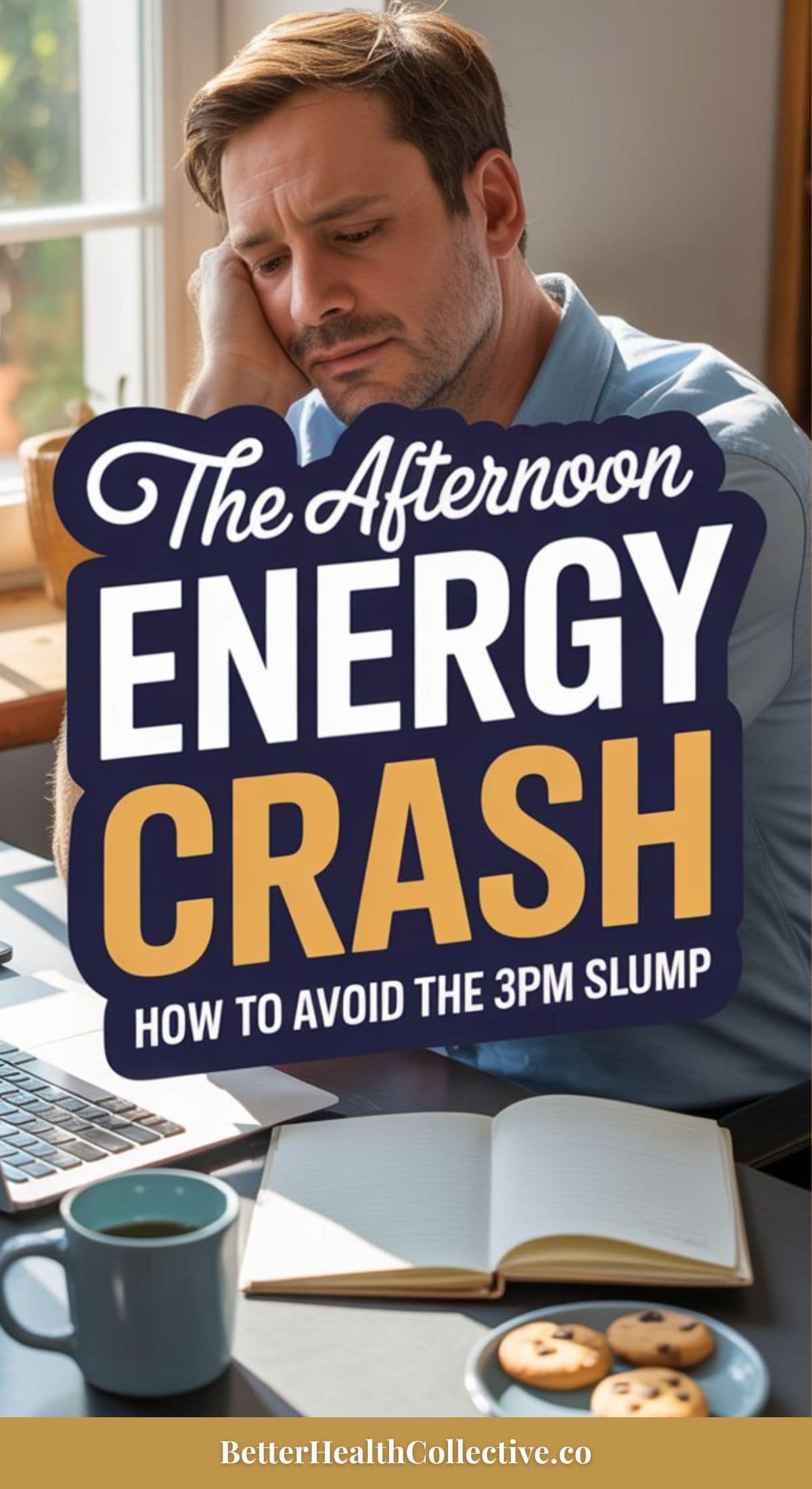
It’s 2:37 PM.
You were fine all morning. Productive. Focused. Feeling like you had your life together.
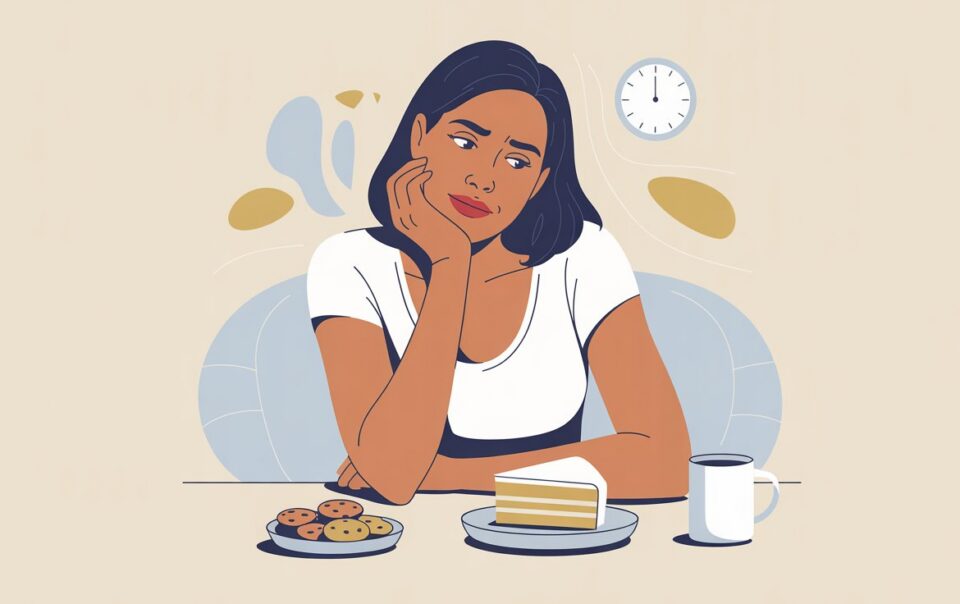
And then suddenly you need something sweet. Or salty. Or both. Your energy dips, your patience shrinks, and the snack drawer starts calling your name.
For years, I experienced this almost daily. I thought I just had a “sweet tooth” or weak afternoon willpower. What I eventually realized was that it wasn’t a personality flaw — it was a blood sugar crash. And what I ate for breakfast and lunch made ALL the difference.
If you regularly deal with afternoon food cravings, low energy, or that urgent need for sugar, there’s a very good chance blood sugar instability is the real reason.
What Is a Blood Sugar Crash?
A blood sugar crash happens when your blood glucose rises quickly after a meal — usually from refined carbohydrates or low-protein meals — and then drops rapidly a few hours later.
This drop can trigger:
- Sudden food cravings (especially sugar cravings)
- Low energy
- Brain fog
- Irritability
- Difficulty concentrating
Your body isn’t trying to sabotage you. It’s trying to protect you. When blood sugar falls quickly, your brain signals that it needs fast fuel — and fast fuel usually means simple carbs.
Why Afternoon Food Cravings Are So Common
The afternoon is the perfect storm for blood sugar instability (aka the rollercoaster ride).
Breakfast That’s Too High in Carbs
If breakfast is mostly refined carbohydrates — cereal, toast, pastries, or even a smoothie without enough protein — blood sugar can spike and crash before lunch.
I noticed that when I ate a carb-heavy breakfast, I was starving by mid-morning and craving something sweet by early afternoon. When I shifted to higher protein breakfasts, that intense craving cycle dramatically decreased.
Low-Protein Lunches
Lunch matters more than most people realize.
If lunch is light on protein and heavy on simple carbs (think sandwich on white bread, chips, or just a salad without a protein source), you’re more likely to experience an afternoon dip.
Once I started intentionally building my lunches around protein for fullness — chicken, Greek yogurt, eggs, cottage cheese, or lean beef — my 3 PM cravings became far less intense.
Stress and Cortisol
Stress increases cortisol, which can affect blood sugar regulation and appetite. If your day is stressful, your body may burn through glucose more quickly, increasing the likelihood of afternoon cravings.
What a Blood Sugar Crash Feels Like
Not all cravings are emotional. Some are biological.
Common signs of a blood sugar crash include:
- Sudden intense sugar cravings
- Feeling shaky or lightheaded
- Energy dropping quickly
- Feeling “hangry”
- Difficulty focusing
If cravings feel urgent and physical rather than emotional, blood sugar instability may be the root cause.
The Blood Sugar Roller Coaster
Here’s how the cycle often works:
- Eat a high-carb, low-protein meal.
- Blood sugar spikes quickly.
- Insulin rises to bring blood sugar down.
- Blood sugar drops rapidly.
- Your brain demands fast fuel.
- You crave sugar or simple carbs.
This roller coaster can repeat daily if meals aren’t balanced properly.
How to Prevent Afternoon Blood Sugar Crashes
The good news? This is incredibly manageable with a few adjustments.
Prioritize Protein at Breakfast
Protein helps slow digestion and supports blood sugar stability.
Examples of balanced breakfasts:
- Eggs with avocado and vegetables
- Greek yogurt with berries and nuts
- Cottage cheese with chia seeds
- Protein oatmeal (oats + protein powder or egg whites)
When I shifted my breakfast to include at least 25–35 grams of protein, my mid-morning hunger almost disappeared. It felt like a miracle, but it was just good planning!
Build a Balanced Lunch
A blood sugar-friendly lunch includes:
- Lean protein
- Fiber-rich vegetables
- Healthy fats
- A moderate portion of carbohydrates
Protein for fullness and fiber for slower digestion are key. This combination helps reduce appetite swings and prevent that 3 PM crash.
PRO TIP: Choosing snacks that include protein and fiber can also help prevent your blood sugar swings. These high protein snacks for appetite control are a great place to start.
Don’t Skip Meals
Long gaps between meals can make blood sugar fluctuations worse. Consistent, balanced meals help stabilize energy throughout the day.
Be Mindful of Liquid Calories
Sugary coffee drinks, juices, or sweetened beverages can spike blood sugar quickly and lead to an energy crash a few hours later.
QUICK TIP: Blood sugar swings can also contribute to evening hunger patterns. If you regularly experience nighttime snacking urges, you may also want to read about why late night cravings happen and what to do about them.
Blood Sugar Crashes and Emotional Eating
Blood sugar instability can make emotional eating more intense.
When your body is biologically hungry and stressed, cravings feel louder and more urgent. That’s why stabilizing blood sugar often makes emotional eating easier to manage.
For me, this was a MAJOR shift. Once I was able to get my blood sugar under control (with protein and balanced meals), I wasn’t fighting my body anymore in the afternoon.
QUICK NOTE: Not all cravings are caused by blood sugar fluctuations. Sometimes the trigger is emotional rather than biological. Understanding emotional eating triggers can help you recognize the difference.
What If You’re on a GLP-1 Medication?
GLP-1 medications can improve appetite control and slow digestion, which may help reduce some blood sugar fluctuations.
However, meal composition still matters. Even on a GLP-1, carb-heavy meals without adequate protein can contribute to energy dips and cravings.
I’ve found that even while on a GLP-1 medication, what I eat for breakfast and lunch dramatically impacts how I feel in the afternoon. I don’t have as many cravings, but if my blood sugar gets out of whack, I often get really tired – which isn’t ideal in the middle of a workday!
The Bottom Line
Afternoon food cravings are often a sign of blood sugar instability — not lack of discipline.
When you prioritize protein, include fiber, and build balanced meals, you support blood sugar stability and reduce appetite swings naturally.
I used to assume my afternoon cravings were just part of who I was. Once I understood the blood sugar connection, everything changed. Now, that sounds a little dramatic, but honestly, I had no idea how much this blood sugar rollercoaster was effecting my life… and how much better I feel now!
I’ll get off my soapbox, but just remember that small adjustments at breakfast and lunch can completely transform how your afternoons feel.
Frequently Asked Questions
Why do I crave sugar every afternoon?
Afternoon sugar cravings are often caused by blood sugar crashes after high-carb or low-protein meals earlier in the day. When blood glucose drops quickly, your brain signals for fast fuel.
Can protein really prevent blood sugar crashes?
Yes. Protein slows digestion and helps stabilize blood sugar levels, reducing rapid spikes and crashes that trigger cravings.
Are blood sugar crashes the same as emotional eating?
No. Blood sugar crashes are biological responses to glucose fluctuations, while emotional eating is triggered by feelings. However, unstable blood sugar can make emotional cravings stronger.
Do GLP-1 medications prevent blood sugar crashes?
GLP-1 medications can improve appetite control and slow digestion, but balanced meals with adequate protein and fiber are still important for blood sugar stability.
How long does a blood sugar crash last?
A blood sugar crash can last anywhere from 20 minutes to a few hours depending on what you eat afterward. If the response is more sugar or simple carbs, the cycle can repeat. Eating protein, fiber, and healthy fats helps stabilize blood sugar and shorten the crash.
What foods are most likely to cause blood sugar crashes?
Foods high in refined carbohydrates and low in protein are the most common triggers. Examples include sugary cereals, pastries, white bread, sweet coffee drinks, candy, and many packaged snack foods. These foods can spike blood sugar quickly and lead to a sharp drop a few hours later.
Can skipping breakfast cause afternoon cravings?
For many people, yes. Skipping breakfast can make blood sugar more unstable later in the day, especially if lunch is high in carbohydrates and low in protein. Starting the day with a balanced meal that includes protein often helps prevent afternoon energy dips.
What is the best snack for a blood sugar crash?
The best snack combines protein, fiber, and healthy fats. Examples include Greek yogurt with berries, apple slices with peanut butter, cottage cheese with nuts, or a handful of almonds and a piece of fruit. These combinations help stabilize blood sugar rather than spike it again. Here are a few other high protein low calorie snack ideas that might help you.
How much protein should I eat to prevent cravings?
Many people find that aiming for around 25–35 grams of protein per meal helps support fullness and blood sugar stability. Exact needs vary depending on body size, activity level, and overall diet, but consistently including protein at meals is one of the most effective ways to reduce cravings. You can learn more about how much protein you need based on your age, gender, and activity level in our Protein 101 Guide.
Why do I feel tired after eating carbs?
Feeling sleepy after a high-carb meal can happen when blood sugar rises quickly and then drops shortly afterward. This rapid shift can leave you feeling fatigued and craving more food. Pairing carbohydrates with protein, fiber, and healthy fats helps slow digestion and reduce these swings.
Final Thoughts
Afternoon food cravings aren’t usually about willpower. In many cases, they’re simply your body responding to unstable blood sugar.
I experienced this cycle regularly for years. I assumed my afternoon cravings were just part of my personality — like I had a built-in sweet tooth that showed up every day around 3 PM. What I eventually realized was that what I ate earlier in the day made a huge difference.
When I started prioritizing protein at breakfast, building balanced lunches, and paying more attention to blood sugar stability, those intense afternoon cravings became far less common.
You don’t have to be perfect with your meals. But small adjustments — especially adding protein and fiber earlier in the day — can make your afternoons feel completely different.
If you regularly struggle with afternoon cravings, your body may simply be asking for more balance, not more discipline.
Please note: This website contains affiliate links. As an Amazon Associate, we earn from qualifying purchases at no additional cost to you.