Please note: This website contains affiliate links. As an Amazon Associate, we earn from qualifying purchases at no additional cost to you.
Protein gets a lot of hype—and for good reason. It helps you feel full, supports muscle, stabilizes blood sugar, and makes weight loss feel far more manageable. But not all protein sources work the same way in real life, especially if you’re focused on feeling good, eating well, and actually keeping the weight off.
If you’ve ever wondered why some “high-protein” foods leave you satisfied for hours while others seem to make weight loss harder, it’s not your imagination. Protein quality, preparation, and context matter more than most people realize.
This guide breaks protein sources into three simple categories:
- The best protein sources to prioritize
- Protein sources that are fine in moderation
- Protein options that can quietly work against your goals
No extremes. No food shaming. Just clarity.
The Best Protein Sources for Weight Loss
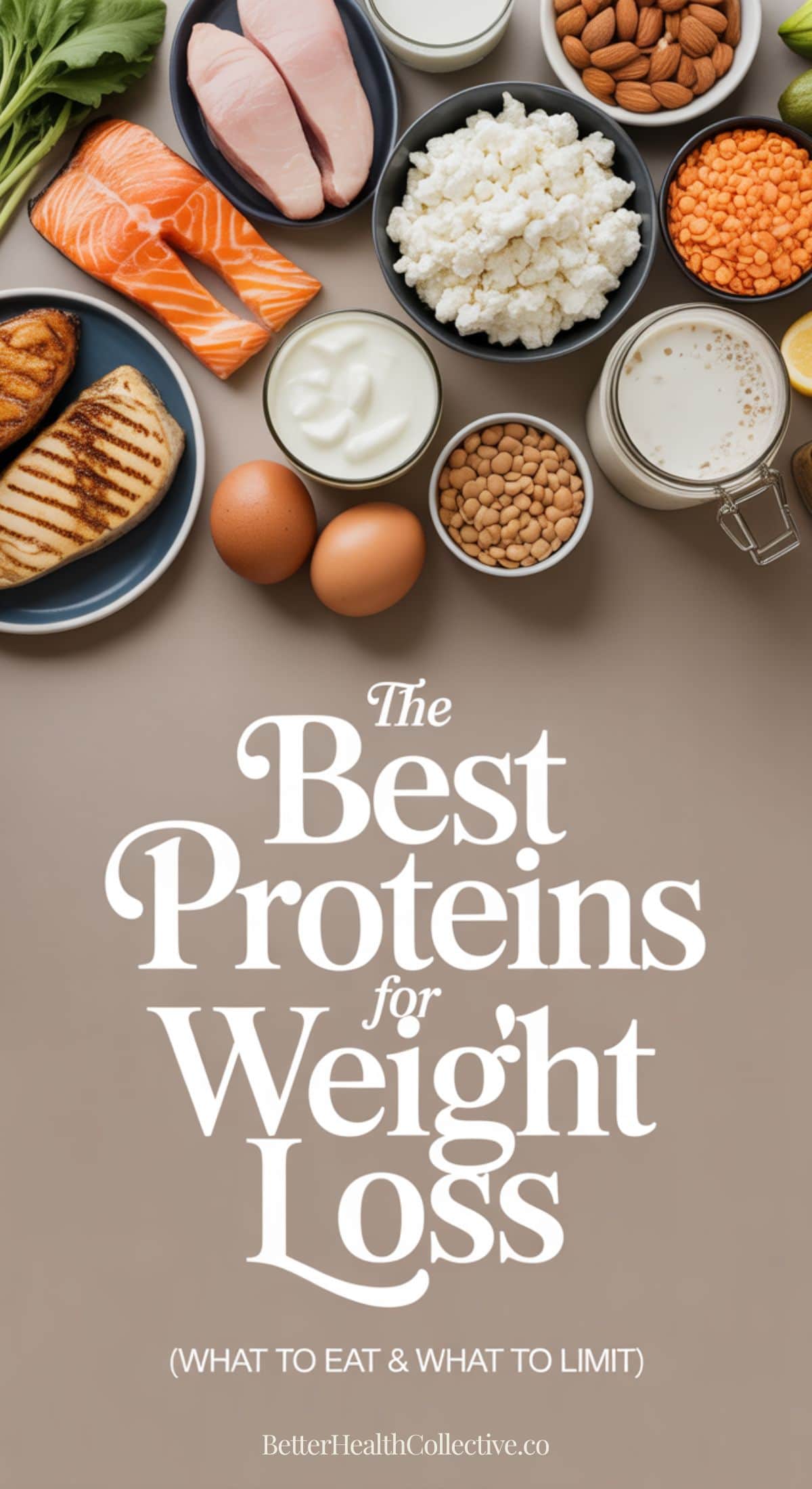
These protein sources tend to be high in protein density, satisfying, and supportive of muscle and metabolism—especially important during weight loss or while using GLP-1 medications.
Lean Animal Proteins
- Chicken breast
- Turkey
- Lean ground beef or bison
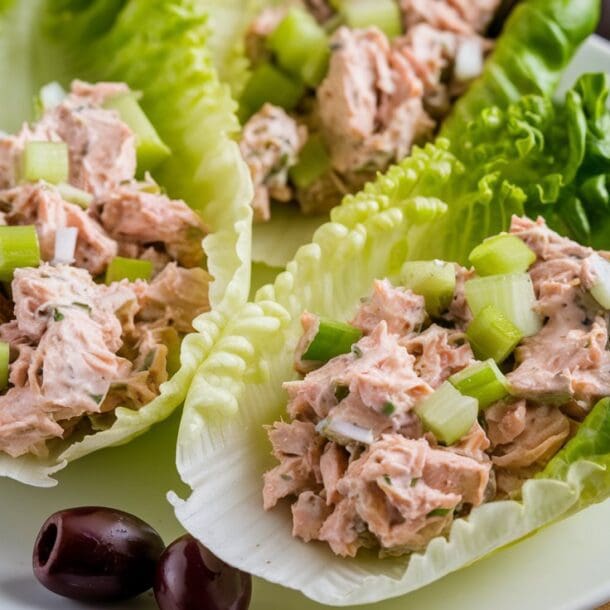
- Fish and seafood (salmon, tuna, shrimp, cod)
These provide a large amount of protein without excessive calories and are generally easy to build meals around.
Eggs
Eggs are nutrient-dense, versatile, and incredibly filling. Whole eggs are perfectly fine for most people, and egg whites can be added if you want even more protein without increasing calories much.
Greek Yogurt & Cottage Cheese
These are two of the most practical protein sources out there. They’re easy to digest, versatile for sweet or savory meals, and work well for smaller appetites.
They’re especially helpful for:
- Breakfasts
- Protein bowls
- Sauces and smoothies
Legumes & Whole Plant Proteins
- Lentils
- Chickpeas
- Black beans
- Edamame
- Quinoa
While plant proteins usually come with carbs, they also provide fiber, which supports fullness and digestion. They’re excellent choices when portions are balanced. Learn more about why fiber is key when you are focused on a high protein diet.
Protein Powders (Used Strategically)
High-quality protein powders—whey, casein, or plant-based blends—can be incredibly useful when appetite is low or time is short. They’re not mandatory, but they can help fill protein gaps without a lot of volume.
Protein Sources to Use in Moderation
These foods still provide protein, but they come with trade-offs that make portion awareness important.
Fat-Heavy Protein Cuts
- Sausage
- Bacon
- Ribeye
- Processed deli meats
These foods aren’t “bad,” but they’re calorie-dense and easy to overeat, which can stall progress if they’re daily staples.
Cheese (Outside of High-Protein Options)
Cheese contains protein, but it’s usually higher in fat than protein. Small amounts can absolutely fit—but relying on cheese as a main protein source often backfires for weight loss.
If you love cheese, choosing higher-protein options like part-skim mozzarella, ricotta, or cottage cheese makes it easier to enjoy cheese while still supporting weight loss.
Nuts & Nut Butters
Nut butters contain some protein, but they’re primarily fat. They’re best treated as a fat addition, not a main protein source.
If you love nut butter, powdered peanut butter can be a helpful alternative. It delivers peanut flavor with significantly fewer calories and fat, making it easier to fit into weight-loss meals.
These are my go-to powdered peanut butter brands – both are excellent and you just have to mix with water.

Organic Powdered Peanut Butter
Shop on Amazon
$22.99
Only 1 Ingredient - Roasted Peanuts, Vegan, No Additives, Preservative Free, No Salt, No Sugar
We earn a commission if you make a purchase, at no additional cost to you.
01/26/2026 07:46 pm GMT


PBfit Powdered Peanut Powder
Buy Now
$14.12
Simply Peanut Powdered Peanut Powder, No Added Sugar or Salt, Non-GMO, Plant-Based, Gluten-Free Protein Powder, 9g of Protein
We earn a commission if you make a purchase, at no additional cost to you.
01/26/2026 07:48 pm GMT
Plant-Based Protein Alternatives
Vegan burgers, nuggets, and “meats” can be convenient, but many are highly processed and low in protein relative to calories. Some are fine occasionally—just not ideal as everyday protein staples.
Protein Sources That Can Make Weight Loss Harder
This isn’t about avoidance—it’s about awareness. These foods are often marketed as “high-protein,” but their structure or ingredients can make weight loss more difficult.
Ultra-Processed Protein Bars
Many protein bars are essentially candy bars with added protein. Sugar alcohols, low fiber, and high calorie counts can lead to digestive issues, cravings, or overeating.
Breaded or Fried “Protein” Foods
Chicken nuggets, breaded fish, and fried tofu technically contain protein—but they’re paired with refined carbs and fats that reduce satiety and spike calories.
Protein Foods Disguised as Desserts
Cookies, brownies, and ice creams labeled “high protein” often still behave like desserts in the body. They can be enjoyed occasionally, but relying on them regularly can stall progress.
Protein Without Fiber or Volume
Some protein sources look great on paper but don’t always deliver lasting fullness on their own. This usually comes down to fiber and volume, not protein quality.
Liquid or very low-volume protein sources digest quickly and don’t take up much space in the stomach. That means you can technically hit your protein target but still feel hungry again sooner than expected—especially during weight loss or while using GLP-1 medications. Common examples:
- Pre-made protein shakes
- Protein shakes made with just powder and water
- Clear protein drinks or “protein water”
- Very small portions of dense protein without sides
These options can be convenient and useful, particularly on busy days or when appetite is low. The issue isn’t that they’re unhealthy—it’s that they often lack fiber, texture, and chew time, all of which play a role in satiety.
Why This Matters for Weight Loss: Feeling full isn’t just about protein grams. For many people, satiety comes from a combination of:
- Protein
- Fiber
- Volume
- Chewing
When those elements are missing, hunger can return quickly, leading to extra snacking later in the day—even if total protein intake looks solid.
How to Make These Protein Sources Work Better
Instead of avoiding liquid protein, the goal is to build it out:
- Pair a protein shake with solid food like fruit, toast, eggs, or yogurt
- Choose thicker, creamier shakes with Greek yogurt or cottage cheese
- Add fiber-rich ingredients like berries, chia seeds, or oats
- Use pre-made protein shakes as a supplement, not your only source of nourishment
With a few simple adjustments, these protein sources can become far more satisfying and supportive of weight loss—especially for smaller appetites.
Protein Sources for Weight Loss: Quick Reference Table
| Protein Category | Protein Source | Why It Fits Here | Best Way to Use It |
|---|---|---|---|
| Best Protein Sources to Prioritize | Lean chicken, turkey | High protein, low fat, very filling | Main protein in meals |
| Fish (salmon, tuna, cod, shrimp) | High protein, nutrient-dense | Lunches, dinners, bowls | |
| Eggs & egg whites | Affordable, filling, versatile | Breakfasts, bowls | |
| Greek yogurt | High protein + volume | Bowls, smoothies, snacks | |
| Cottage cheese | High protein, very satiating | Bowls, sauces, snacks | |
| Tofu, tempeh | Plant-based, filling | Stir-fries, bowls | |
| Lentils, beans, edamame | Protein + fiber combo | Salads, soups, meal prep | |
| Protein Sources to Use in Moderation | Cheese (mozzarella, feta, goat) | Higher fat, easy to overeat | Flavor booster, not main |
| Nuts & nut butters | Protein + healthy fat, calorie-dense | Small portions, toppings | |
| Powdered peanut butter | Lower fat, still flavorful | Smoothies, sauces | |
| Protein bars | Convenient but processed | Backup option | |
| Processed meat alternatives | Variable nutrition | Occasional use | |
| Protein Sources That May Not Keep You Full Alone | Pre-made protein shakes | Low fiber, liquid-only | Pair with solid food |
| Protein powder + water | Fast-digesting | Add fiber or fat | |
| Clear protein drinks | Minimal volume | Supplement, not meal | |
| Very small protein portions | Not enough volume | Combine with sides |
The goal isn’t to avoid foods — it’s to choose protein sources that actually keep you full and satisfied. Protein works best when paired with fiber, volume, and texture, especially during weight loss or while using GLP-1 medications.
What Matters Most
Weight loss isn’t about finding the “perfect” protein—it’s about choosing protein sources that:
- Keep you full
- Support muscle
- Are easy to eat consistently
- Don’t rely on willpower
In many cases, simpler protein sources work better than heavily marketed ones.
FAQs: Choosing Protein Sources for Weight Loss
Is protein really that important for weight loss?
Yes. Protein plays a major role in weight loss because it helps you feel full, supports muscle mass, and stabilizes blood sugar. When protein intake is too low, hunger and cravings tend to increase, making weight loss harder to sustain.
How much protein do I actually need?
Protein needs vary based on body size, activity level, and goals, but many people do well aiming for 20–40 grams of protein per meal. If you’re using GLP-1 medications or eating smaller portions, prioritizing protein becomes even more important.
Are all protein sources equally good for weight loss?
Not exactly. While all protein contributes to your daily intake, some sources are more filling and easier to eat consistently. Protein sources that come with fiber, volume, and minimal processing tend to support weight loss better than highly processed or calorie-dense options.
Is it okay to eat cheese while trying to lose weight?
Yes—especially if you choose higher-protein options. Cheeses like part-skim mozzarella, ricotta, feta, and cottage cheese are easier to fit into weight-loss meals than very high-fat cheeses. Portion size still matters, but cheese doesn’t need to be eliminated.
What about nuts and nut butters? Aren’t they good protein sources?
Nuts and nut butters contain some protein, but they’re primarily a source of fat. They can absolutely fit into a healthy diet, but they’re best used in smaller amounts or as flavor additions rather than main protein sources. Powdered peanut butter can be a helpful alternative.
Are protein shakes bad for weight loss?
No. Protein shakes can be very helpful—especially for busy days or low appetite. However, when used alone, they may not provide enough fiber or volume to keep you full for long. Pairing shakes with solid foods or adding fiber-rich ingredients can make them more satisfying.
Do pre-made protein shakes count as a meal?
They can, but many people find they’re more effective when paired with something solid. A pre-made shake plus fruit, toast, yogurt, or eggs often works better than the shake alone for lasting fullness.
Should I avoid processed protein foods like bars or meat alternatives?
Not necessarily—but moderation matters. Many processed protein foods are calorie-dense, low in fiber, or easy to overeat. They can be convenient occasionally, but whole or minimally processed protein sources tend to work better for everyday meals.
Is plant-based protein okay for weight loss?
Absolutely. Legumes, edamame, lentils, quinoa, tofu, and tempeh can all support weight loss when portions are balanced. Because plant proteins often come with carbs, pairing them with fiber and protein-rich sides helps improve satiety.
What’s the biggest protein mistake people make when trying to lose weight?
Relying on protein sources that look good nutritionally but don’t keep them full—like liquid-only protein or very small portions. Protein works best when it’s part of a balanced meal with fiber, volume, and texture.
Do I need to eat “perfect” protein to lose weight?
No. Consistency matters far more than perfection. Choosing protein sources that you enjoy, tolerate well, and can eat regularly will always outperform rigid rules or extreme restrictions.
Final Thoughts
Protein is one of the most powerful tools you have for weight loss—but only when it’s chosen thoughtfully. Instead of asking, “Is this food allowed?” a better question is, “Does this protein help me feel full, energized, and satisfied?”
Prioritize protein sources that work with your body, be mindful of those that are easy to overeat, and don’t stress about perfection. Sustainable weight loss comes from patterns you can repeat—not rules you have to fight.
Please note: This website contains affiliate links. As an Amazon Associate, we earn from qualifying purchases at no additional cost to you.