




Please note: This website contains affiliate links. As an Amazon Associate, we earn from qualifying purchases at no additional cost to you.
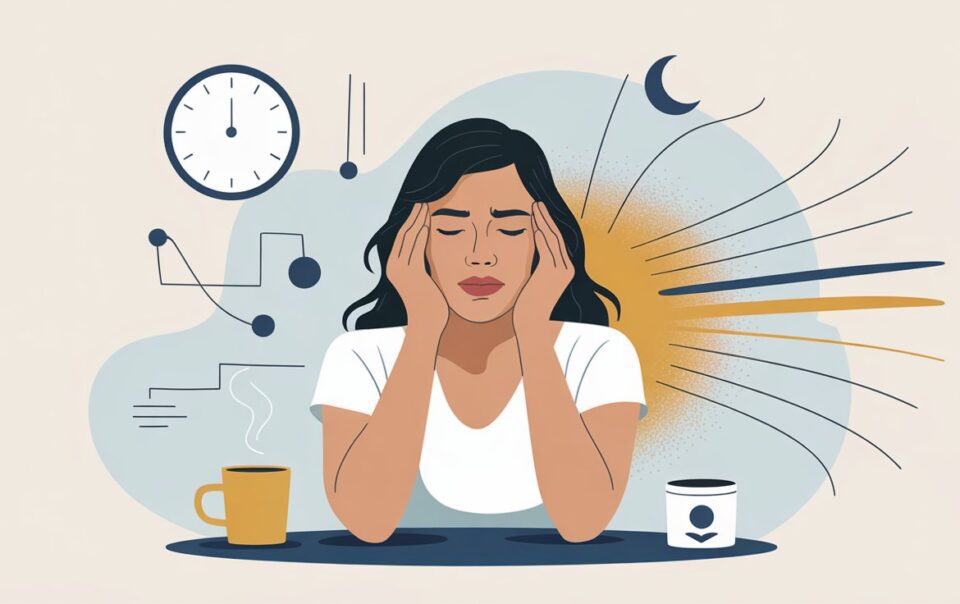
Have you ever felt “wired but tired”?
Like you’re exhausted enough to sleep for a week, but the moment your head hits the pillow, your brain decides it’s the perfect time to review every awkward thing you said in 2014?
If you’re nodding, meet Cortisol.
Often called the “stress hormone,” cortisol isn’t actually a villain. In a perfect world, it’s your natural alarm clock. But in our world of back-to-back Slacks, caffeine on an empty stomach, and doom-scrolling before bed, our “alarm” is stuck in the ON position.
The result? That stubborn “stress belly,” brain fog that no amount of espresso can fix, and a dangerously short fuse.
This 72-hour reset isn’t a restrictive “detox”—it’s a nervous system reboot designed to tell your body, “Hey, you’re safe. You can turn the alarm off now.”
The 3 Pillars of the Reset
To move the needle in just three days, we’re focusing on the three things cortisol responds to fastest: Blood Sugar, Light, and Movement.
1. Eat to Calm Down (The Grocery List)
Cortisol and blood sugar are best friends. When your blood sugar crashes, cortisol spikes to “save” you by pumping out more energy. To stop the roller coaster, we need to eat strategically.
The Golden Rule: Eat a high-protein breakfast within an hour of waking.
The Coffee Rule: Save your latte for after food. Caffeine on an empty stomach is like pouring gasoline on a cortisol fire.
Your Reset Grocery Cheat Sheet:
- Pumpkin Seeds: Loaded with magnesium (the “anti-stress” mineral).
- Dark Berries: High in antioxidants to combat physical stress.
- Avocados: Healthy fats to keep blood sugar stable for hours.
- Fatty Fish or Walnuts: Omega-3s act like a fire extinguisher for brain inflammation.
Need some breakfast ideas? We have you covered with this collection of recipes: 21 High Protein Breakfast Ideas with 30g+ Protein
2. The “Digital Sunset”
Your brain thinks your phone screen is the afternoon sun. By staring at it at 11:00 PM, you’re telling your body to stay alert. We’re implementing a strict 60-minute “no-screen” buffer before bed.
Stop the “Scary Scroll”: Checking your email or news the second you wake up is a biological panic button. Give yourself 20 minutes of being a human being before you become an “employee” or a “consumer.”
3. Movement, Not Punishment
If you’re already burned out, a grueling 45-minute HIIT session is just more stress. For these 72 hours, we are strictly in our “Slow-Mo Era.” Think long walks, gentle yoga, or just sitting on a porch.
Your 72-Hour Game Plan
We’re keeping this really simple. This isn’t another thing you have to master on the first try. Please take baby steps if needed…
| Time | Action | The “Why” |
| 7:30 AM | Sunlight + Hydration | 10 mins of natural light sets your internal clock for better sleep tonight. |
| 8:30 AM | Protein-First Breakfast | Eggs, Greek yogurt, or a shake. No “naked” carbs! |
| 1:00 PM | The 15-Minute “Awe Walk” | Walk outside without headphones. Find something beautiful to look at. |
| 4:00 PM | The Afternoon Pivot | Swap your second coffee for herbal tea or magnesium-infused water. |
| 9:00 PM | The Digital Sunset | Phones away. Read a physical book or take a warm Epsom salt bath. |
The “Emergency Button”: Box Breathing
If a stressful email hits or your toddler has a meltdown during your reset, use this 30-second tool to “hack” your vagus nerve and tell your brain the “tiger” has left the room:
- Inhale for 4 counts.
- Hold for 4 counts.
- Exhale for 4 counts.
- Hold for 4 counts.
What to Expect: Day-by-Day
Day 1: The Transition
You might feel a bit sluggish as you pull back on caffeine and high-intensity habits. This is your nervous system finally exhaling. Stick with it.
Day 2: The Level-Off
You’ll notice your “afternoon slump” isn’t as deep. Your mood feels more stable, and that frantic “must-do-everything-now” feeling starts to fade.
Day 3: The Clarity
Many people report waking up before their alarm feeling actually rested. The brain fog lifts, and you’ll feel a sense of “quiet” energy rather than “jittery” energy.
How Do You Know It’s Working?
Since we can’t “see” cortisol, look for these Non-Scale Victories (NSVs) by the end of Day 3:
- The “Morning Test”: Do you feel less like a zombie before your first coffee?
- The “Fuse Test”: Did someone cut you off in traffic and you didn’t feel like screaming?
- The “Midsection Test”: Does your bloating feel significantly reduced? (Cortisol is a major driver of digestive bloat!)
The Compound Effect: What Happens if You Keep Going?
While 72 hours is enough to give your nervous system a much-needed “reboot,” the real magic happens when these habits become your new baseline. Think of the 3-day reset as the spark, and consistency as the flame.
Here is what our community (and the science) reports when a “Cortisol-Conscious” lifestyle becomes the norm:
The “Second Wind” Disappears
You know that 10:00 PM burst of energy that keeps you awake until 1:00 AM? That’s actually a sign of dysregulated cortisol. Long-term, you’ll find that you start feeling naturally sleepy when the sun goes down and naturally alert when it rises. No “second wind” required.
Emotional Resilience (The “Longer Fuse”)
When your cortisol is balanced, your “window of tolerance” expands. You’ll notice that things that used to send you into a spiral—a rude email, a red light, a spilled glass of milk—suddenly feel manageable. You’ll have the “brain space” to respond rather than react.
Food Cravings Quiet Down
High cortisol is a major driver of cravings for “quick energy” (aka sugar and refined carbs). As your hormones level out, you’ll likely notice that your “sweet tooth” isn’t quite so demanding, and you feel satisfied for much longer after meals.
Better Physical Recovery
Chronic stress slows down your body’s ability to heal. Long-term cortisol management often leads to less muscle soreness after movement, clearer skin (bye-bye, stress breakouts!), and a stronger immune system.
The Collective Secret: You don’t have to be perfect 100% of the time. Many people in our community use the “72-Hour Reset” once a month or after a particularly stressful week to “clear the slate.” It’s a tool you can return to whenever the noise starts getting too loud again.
Cortisol Reset: Frequently Asked Questions
Q: Can I still drink coffee during the 3-day reset?
We aren’t going to tell you to give up your beloved brew (we aren’t monsters!). However, for these 72 hours, the order matters. Always eat a high-protein meal before your coffee. Caffeine on an empty stomach sends a “danger” signal to your brain, causing a massive cortisol spike. Drink it after breakfast, and try to cap it at one cup before noon.
Q: Is “Stress Belly” actually a real thing?
Yes, it is! When cortisol is chronically high, it tells your body to store fat specifically in the abdominal area to protect your organs from “danger.” It also causes digestive bloat. By calming your nervous system during this reset, you’re telling your body it’s safe to release that inflammation and stored energy.
Q: I’m an evening gym-goer. Do I have to stop working out?
High-intensity interval training (HIIT) or heavy lifting late at night can keep your cortisol elevated when it should be dropping for sleep. For these three days, we recommend swapping the 8:00 PM gym session for a 20-minute walk or some restorative stretching. If you must lift, try to do it in the morning or early afternoon.
Q: What if I can’t do the “Digital Sunset” because of work?
We get it—life happens. If you absolutely have to be on a screen, wear blue-light-blocking glasses and turn your screen brightness to the lowest “night shift” setting. Even a 20-minute gap between your last email and your pillow is better than zero!
Q: Is this the same as Adrenal Fatigue?
“Adrenal Fatigue” is a popular term, but medically, it’s more about HPA-axis dysfunction—a fancy way of saying your brain and your stress glands aren’t communicating well. This 3-day cortisol lowering reset is designed to “re-sync” that communication so your body produces the right amount of energy at the right time.
A Note from the Collective
Three days won’t fix a decade of burnout, but it will prove to your body that it’s capable of feeling different. You aren’t “broken”—you’re just overstimulated.
Give yourself these 72 hours. Your nervous system will thank you.
Please note: This website contains affiliate links. As an Amazon Associate, we earn from qualifying purchases at no additional cost to you.